Sustainable glass manufacturer contributes to circular façade solutions with Cradle to Cradle and Madaster
Text Susan PeekImage MVL Media Groep en Madaster Renders: Plotvis | Ontwerp: Kraaijvanger Architects | Opdrachtgever: Gemeente Amersfoort
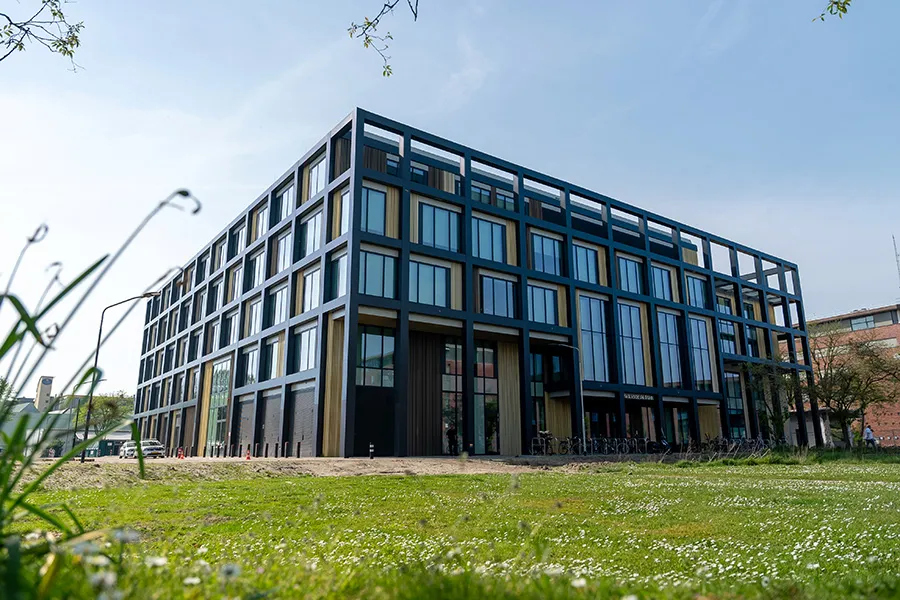
Sustainability is becoming increasingly important in façade construction, and Pilkington Nederland is actively helping to accelerate the transition to a circular façade economy. “With Cradle to Cradle certified® (C2C)-certified glass solutions and the use of Madaster, we are promoting the reuse and high-quality recycling of materials in façade construction,” says Gerrit Maring, sustainability coordinator at Pilkington Nederland.

Circular construction with Cradle to Cradle
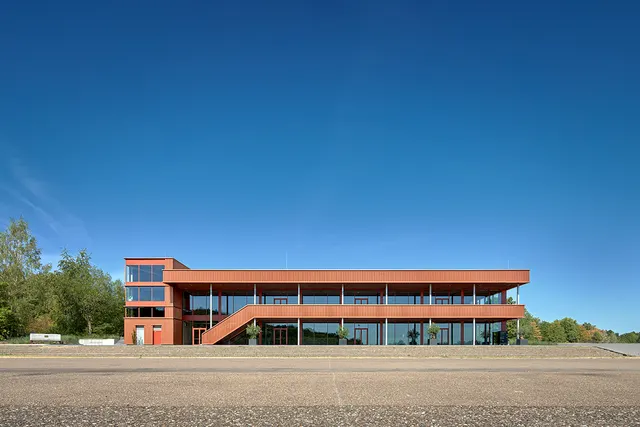
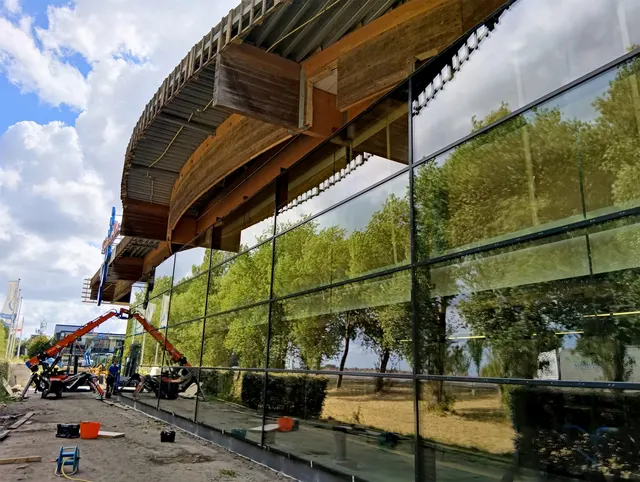
A good example of circular construction is Huis van de Stad Helmond, where Pilkington’s C2C-certified insulating glass products have been used. This town hall, designed by Kraaijvanger Architecten, demonstrates how reusable, healthy materials can be flexibly redeployed. The C2C certificate guarantees that harmful substances are absent or kept to an absolute minimum, so they are kept out of the cycle, making an important contribution to a healthy construction cycle. This focus on Material Health, one of the five pillars of the Cradle to Cradle principle, is essential in façade construction, where materials often have a long service life. Gerrit says: “This is undoubtedly the way to build a sustainable future.”

Madaster: the materials passport
The Madaster platform, co-founded by architect Thomas Rau, also supports this circular vision. “Madaster serves as a digital cadastre and materials passport, providing detailed information about the origin, composition and reusability of materials,” Gerrit explains. “For façade construction, this means that material service life and reuse are taken into account from the design stage.” Huis van de Stad Amersfoort is one project that requires all materials used to be registered in Madaster. This puts the project ahead of the European DPP (Digital Product Passport) legislation due to be introduced between 2025 and 2027.
European regulations and the future
Cradle to Cradle-certified materials have a direct impact on projects, as well as an indirect one through European regulations. Gerrit points to new directives and regulations such as the Corporate Sustainability Reporting Directive (CSRD) and the Ecodesign Sustainable Products Regulation (ESPR), which require companies to operate more sustainably and report transparently on their performance. “C2C and Madaster complement each other perfectly, helping companies meet these requirements and make sustainable choices,” says Gerrit. “This is particularly important in façade construction, where glass plays a key role in the service life and sustainability of buildings. With our Cradle to Cradle certified® Silver certification, Pilkington Nederland is ideally placed to comply with these regulations and further reduce its environmental footprint.”

Circular Façade Economy
Pilkington is also actively contributing to the development of a circular economy in the construction sector through Stichting Circulaire Gevel Economie (CGE), an initiative by five trade associations in the façade industry and the government. Representing the glass industry, Vlakglas Recycling Nederland (VRN) is also participating in this initiative. “With our Cradle to Cradle certified®-certified products and the use of a materials passport registered in Madaster, we are contributing to circular façade construction without compromising quality,” says Gerrit.
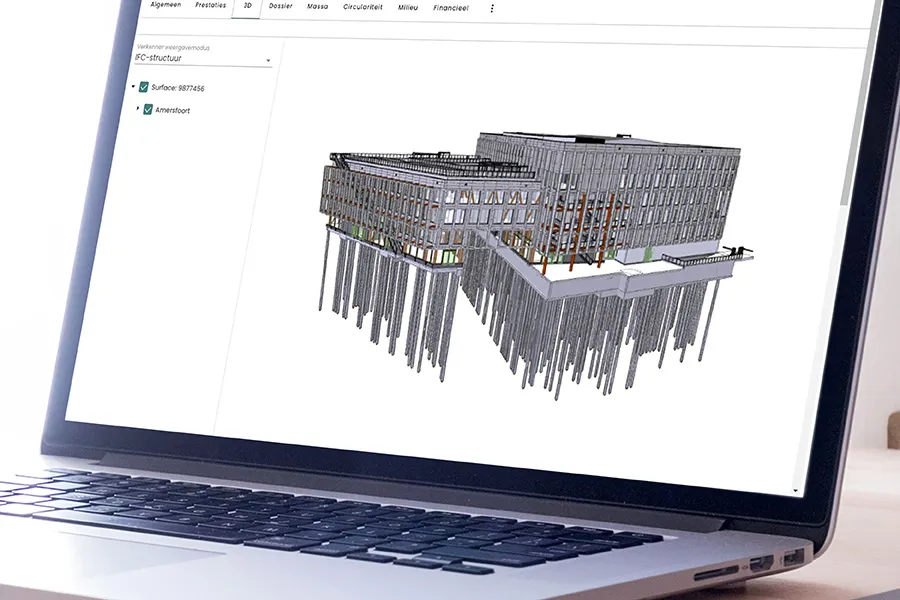
CGE encourages products such as glass and frames to be designed for reuse or high-quality recycling. Cradle to Cradle Certified® certification guarantees that these materials are healthy and circular, while Madaster ensures their traceability and management throughout their life cycle, which is crucial to the circular ambitions of both the Netherlands and Europe.
Towards a circular future in façade construction
Pilkington Nederland is working with partners in the Circulaire Gevel Economie to create sustainable solutions. “Our C2C-certified glass products and their integration with Madaster are essential steps towards a circular construction sector,” Gerrit concludes. “In this way, we are helping to build a future in which façades not only last longer, but are also circular and reusable.”
Een zakelijke vraag aan Pilkington Nederland BV? Get in touch
Companies in this story
Keep following this
Get an email when a new story is published. No account needed.
- ThemeCircular facades with lower environmental impact
- SubjectFaçade cladding
- CompanyPilkington Nederland BV