








Anodising, outstanding corrosion protection for aluminium
Text Roel van GilsImage Alucol
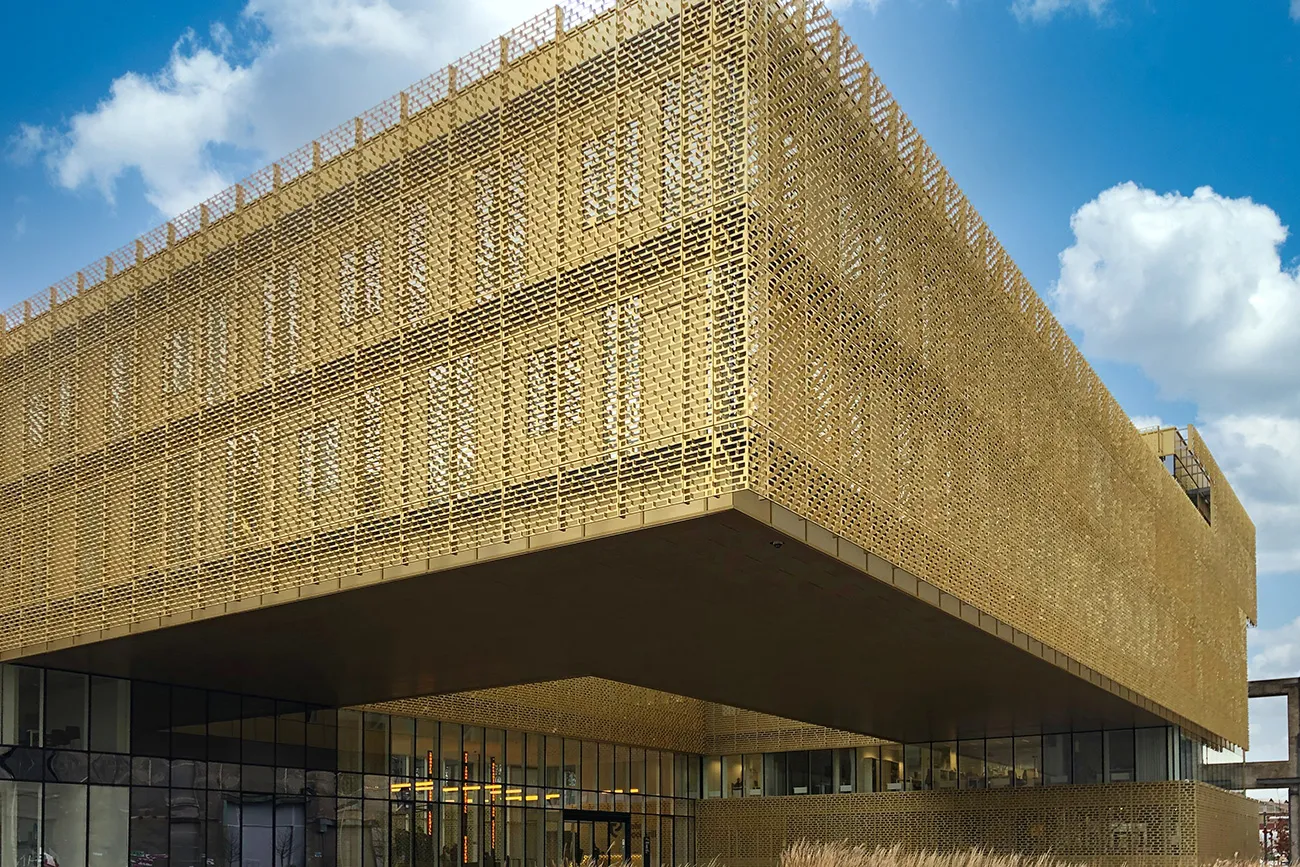
Anodising is still too often overlooked when it comes to sustainable uses of aluminium. There are also many untapped possibilities for anodised aluminium in the façade construction sector. It offers plenty of opportunities. The prerequisite is that the façade industry also builds up its own knowledge of ‘the best corrosion protection for aluminium’. This is the case made by Frank Veelenturf, director of Alucol.
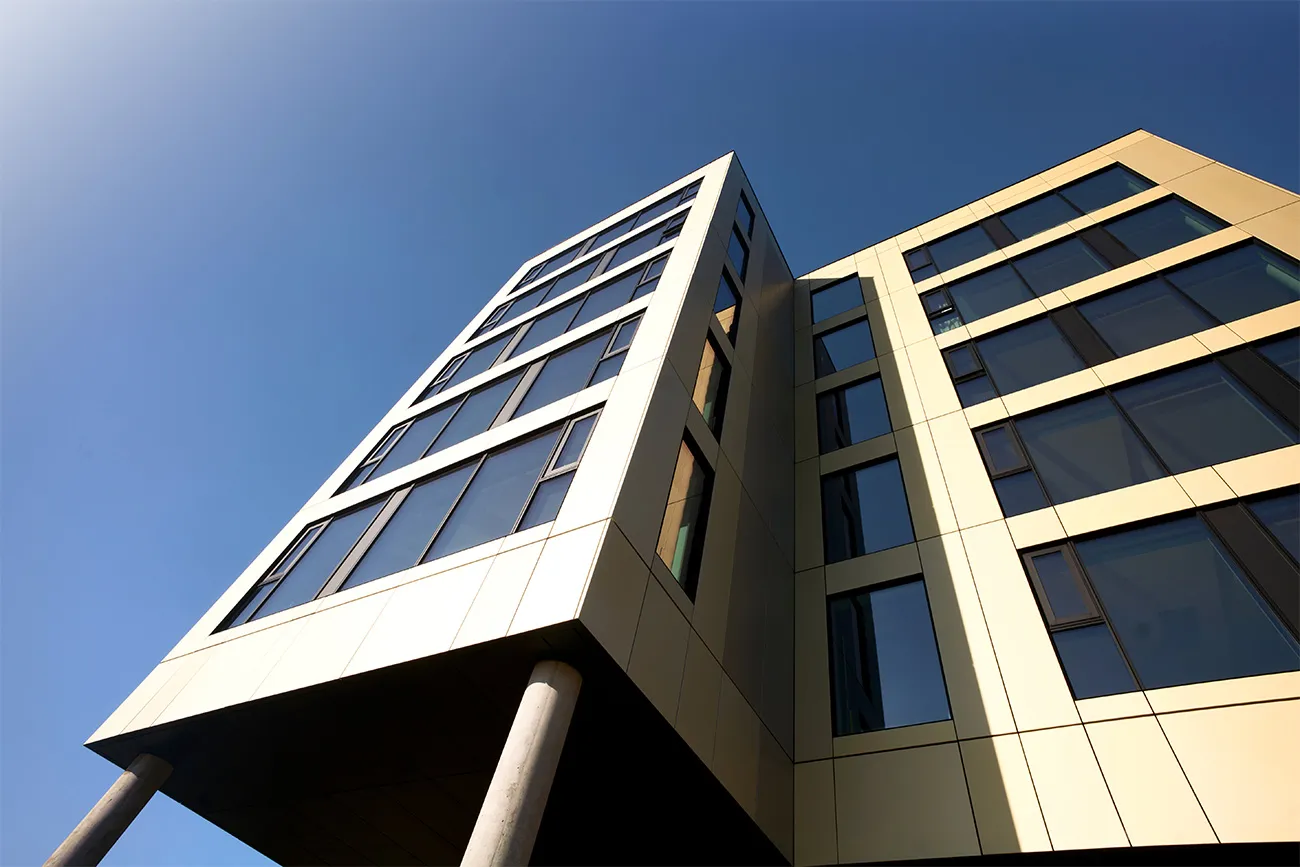
The anodising process requires close attention, but a great deal has changed over the years in terms of process control and the quality of the finished product. “The changes have been positive,” Frank emphasises. “In the past, production was controlled using upper and lower reference samples. Today, we measure the colours and manage production to target colours. Although the material itself also affects the colour, we aim to keep it as consistent as possible. We also calculate the surface area to be anodised accurately, so that the anodic layer forms consistently and delivers uniform quality.”
No filiform corrosion
Anodising companies have built a range of checks into their processes. “We take a lot of measurements these days, which means we can make adjustments wherever necessary,” Frank explains. “For example, we measure the colour both before and after sealing, which closes the layer. During anodising, you first create pores in the aluminium, which are then filled with a dye (metal salts). The layer is then sealed in almost boiling water to make it less susceptible to other chemicals. The result is uniform corrosion protection that is largely unaffected by environmental attack. Filiform corrosion is not an issue with anodising, as it never occurs.”
Sustainable thanks to an exceptionally long service life
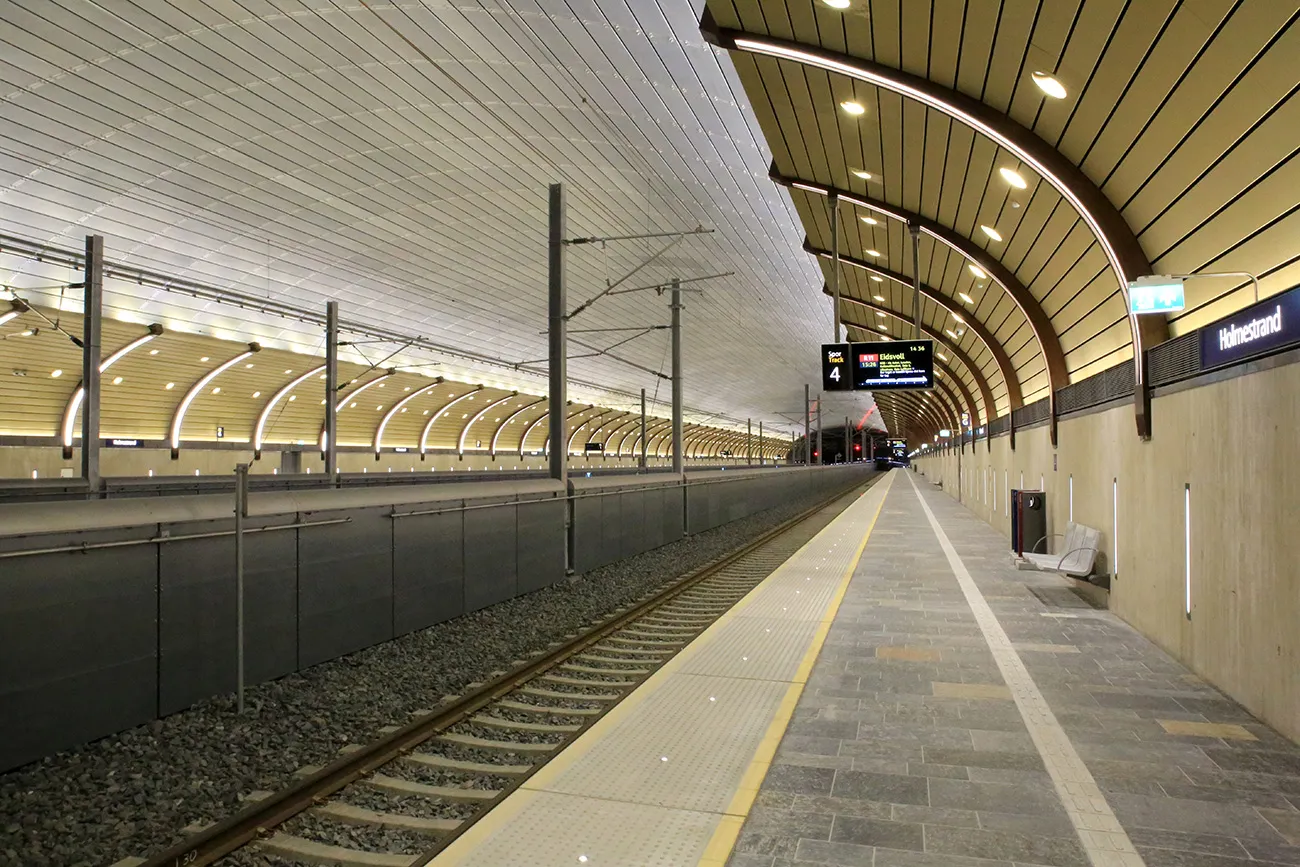
Because the anodising process does not add an extra layer or foreign substances to the aluminium, the material is also easy to recycle. That is generally some way off, however, as anodised aluminium has an exceptionally long service life. It can remain on the façade for many decades without problems and requires very little maintenance. Frank warmly invites architects, façade contractors, building owners and others interested to see the process at Alucol for themselves. “Our doors are always open, and we are happy to advise on the dos and don’ts of designing with anodised aluminium and managing client expectations.”
48-hour service
Alucol has invested heavily in automation in recent years. “Our customers can check the status of their orders at any time, see how many products are ready and find out the planned delivery date,” says Frank. “Before long, it will even be possible to request a quote quickly through our web portal. Customers can then use the information in quotes for their own clients. We also offer regular customers a 48-hour service. If something is damaged during transport or installation, for example, we ensure the piece is treated and delivered within 48 hours. It is an extra service that customers appreciate and use regularly.”
Question about this story? Ask your question
Keep following this
Get an email when a new story is published. No account needed.
- ThemeExtending the life of existing facades
- SubjectGeneral







