








Environmental impact in the façade industry
Text and images VKG
Background and methods for a clear picture
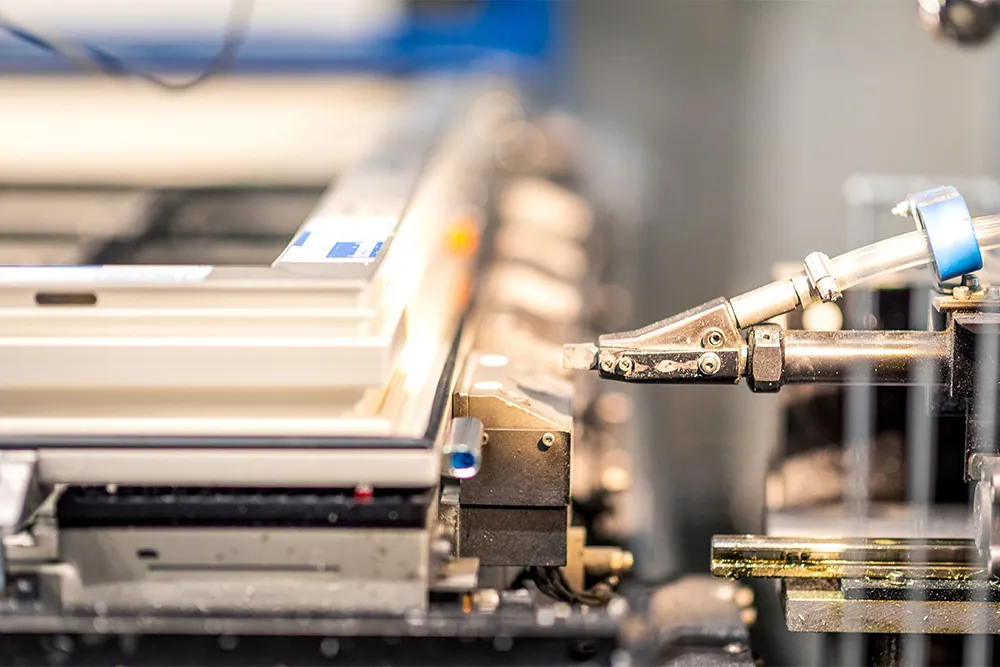
We now all know that every industry has an environmental impact and consumes valuable raw materials and energy. Like other sectors in the construction industry, the uPVC window frame sector is working to make products and processes throughout the supply chain more sustainable. VKG works with its members and partners every day to improve and reduce the impact of window products, from raw materials through production and use, and from maintenance to recycling.
Innovation through bio-attributed PVC
The key to making uPVC more sustainable is to use a different raw material. Oil is currently the raw material, but it is not indispensable. Driven by raw material shortages and the search for a product with minimal environmental impact, the uPVC window frame sector has developed bio-attributed PVC through collaboration. In bio-attributed PVC, the fossil raw material is replaced with a renewable alternative: in this case, residual material from sustainable forestry and agriculture. This makes the profiles far less harmful to the environment than traditional PVC, with CO2 savings of up to 90%, without any loss of quality. The first windows with profiles made from this new PVC were recently installed as part of a BAM sustainability project. A positive step towards the future.
National Environmental Database
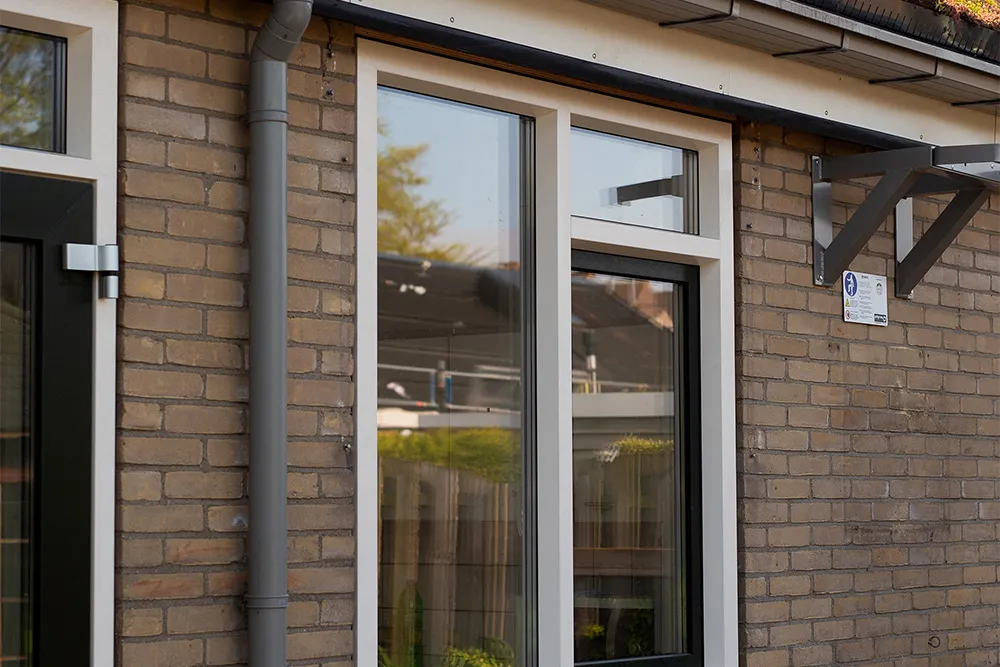
Another step was the inclusion of three variants of a VKG member’s uPVC windows in the NMD in March 2023. These are the first uPVC windows in the Netherlands to have Category 1 product cards. Making the Category 1 product cards available provides insight into environmental performance. This helps reduce the MPG score (Environmental Performance of Buildings) of new office buildings and new-build homes.
Product Category Rules
An important factor in drawing up category cards for the National Environmental Database is Product Category Rules (PCR). These comprise a set of specific rules, requirements and guidelines for preparing Environmental Product Declarations (EPDs) for one or more product categories. PCRs help LCA practitioners generate consistent results when assessing products in the same product category.
Fair environmental performance
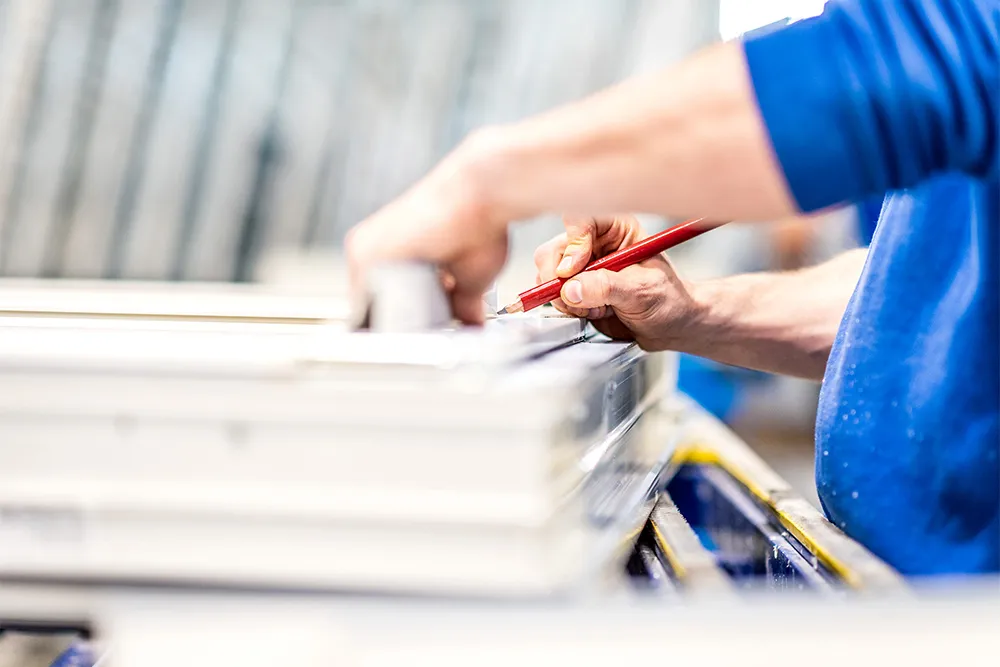
Several window industry associations, representing aluminium, steel and uPVC, began working together years ago. Independent authorities Harry Nieman and SGS worked with the sectors to draw up an NMD-approved PCR for a 3300 x 1500 mm window. This PCR converts material quantities to square metres and is just as scalable as the PCRs for window sizes 1480 x 2180 mm and 1230 x 1480 mm. This method of calculation and comparison gives clients, architects and construction managers insight and practical tools for calculating a building’s environmental performance.
Recycling sustainable raw materials
uPVC is a long-lasting material. The high-quality uPVC used for windows also provides good insulation and requires minimal maintenance. Recycling offers the added benefit of extending its service life. After an average of 75 years in use, it returns to the supply chain in full through the VKG Recycling System.
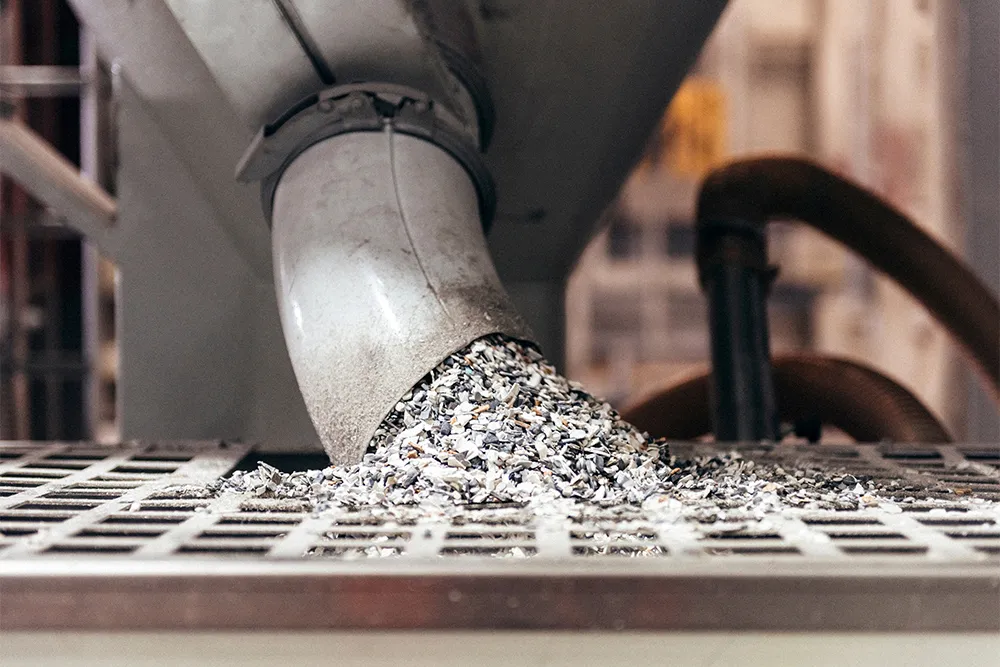
The VKG Recycling System has been collecting window frames for more than two decades. Old windows removed during renovation or demolition projects are collected in a container on site or handed in to one of the VKG Keurmerkfabrikanten. When windows are replaced in the private sector, the supplier of the new windows arranges for the old ones to be removed and recycled.
In addition to renovation, the sector also handles production waste, such as offcuts. Profile systems use this residual material to make new profiles, which then become part of a new window.
Currently, 76% of discarded uPVC windows are processed through the VKG Recycling System. Naturally, this figure must reach 100%. As a trade association, we take responsibility for this, and our mission is to ensure that all clients and builders know about the system and contribute to it.
Scarcity creates value
Although there is considerable progress in bio-attributed uPVC, our sector, like the construction industry as a whole and many other sectors, will inevitably face raw material shortages. Scarcity makes discarded materials valuable: they are no longer waste, but the starting point for something new. The great advantage of uPVC is that it does not lose quality, so it retains that quality and therefore its value. Because it retains its value, the sector would like to retain ownership of the product, and therefore of the waste, in the future. This will ensure that every window removed during renovation returns to the system.
Working together
Making the industry more sustainable is a joint effort that spans sectors. It means stepping outside the usual boundaries for a mission for which we share responsibility. VKG advocates working together, inspiring others and being inspired in turn, both at a strategic and a practical level. Our sector remains firmly focused on further innovation, sustainability and making products and materials circular.
Stichting NMD
Stichting NMD is an independent organisation that enables the consistent calculation of the environmental performance of buildings in the Dutch context. The foundation manages the database of environmental declarations, previously known as product cards, which is called the National Environmental Database (NMD).
Have a business enquiry for VKG – Vereniging Kunststof Gevelelementenindustrie? Get in touch
Companies in this story
Keep following this
Get an email when a new story is published. No account needed.
- ThemeCircular facades with lower environmental impact
- SubjectGeneral
- CompanyVKG – Vereniging Kunststof Gevelelementenindustrie







