Energy efficiency? Yes, … but without compromising healthy, comfortable living!

New-build construction in 2020 is all about climate awareness, circularity, NOM, BENG, … terms that are now firmly established in the construction industry. This is also clearly reflected in the requirements for ventilation and solar shading. Read on to find out how Renson, as a pioneer in these fields, anticipates and responds to these requirements, and even goes a step further.
Make sure ventilation has a ‘+’
The good news is that, as long as you choose ventilation with a ‘+’ as an architect, consultant or property developer, both systems with a natural supply of fresh air (system C+) and heat recovery ventilation systems (system D+) fully meet the prescribed requirements. At the same time, their demand-controlled operation takes the burden off residents and provides ventilation tailored to their needs, delivering the best possible comfort and indoor climate. Two birds with one stone!
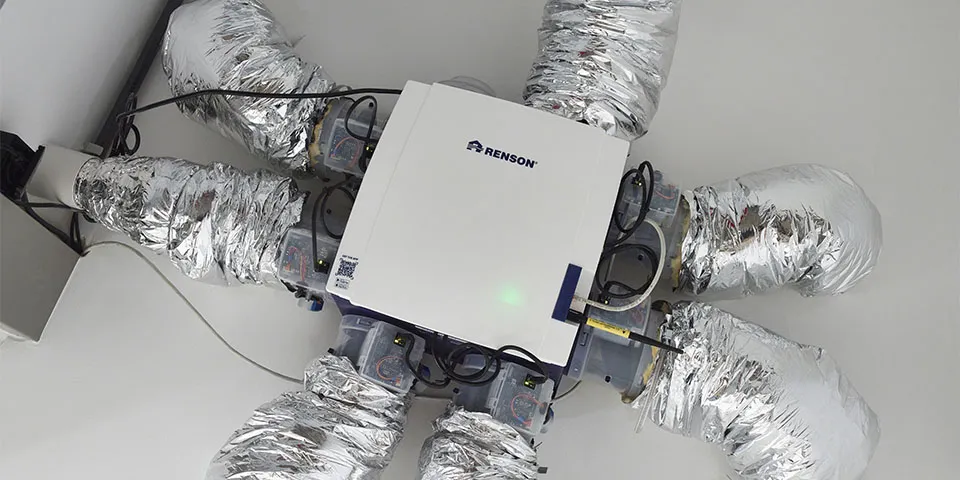
Ventilation tailored to each room in the home
The ‘+’ in Renson’s ventilation solutions stands for smart ventilation: in other words, extra ventilation only where and when it is needed. Humidity, odour and CO2 sensors monitor indoor air quality 24/7 and adjust the ventilation level accordingly. With a C+ system, this is even done room by room. This has the major advantage that rooms with good air quality are not unnecessarily flushed with fresh air. Think of the kitchen at night, or the bedrooms during the day, when nobody is there.
The result is that you ventilate far less overall, because ventilation is based solely on what the sensors detect, while doing so much more efficiently, sustainably and energy-efficiently. This guarantees the best possible indoor air quality in every room. In practice, the system has already proved its worth: analysis of data from connected Healthbox 3.0 ventilation units in Belgian homes showed that the highest possible indoor air quality was achieved thanks to the advanced demand control of the C+ ventilation system. And this with a ventilation level of less than 30% of the nominal flow rate (see also the full white paper ‘Ventilating to suit your needs’).
This type of demand-controlled ventilation, with an airflow tailored to each room in the home, prevents unnecessary ventilation and means the ventilation unit does not use power needlessly. The low airflow rates in each room also reduce heat loss, because fresh air enters only those rooms where, according to continuous measurements, the polluted indoor air needs replacing.
A C+ system, of course, operates fully independently and always ensures optimal indoor air quality in every room, without residents having to give it a second thought.
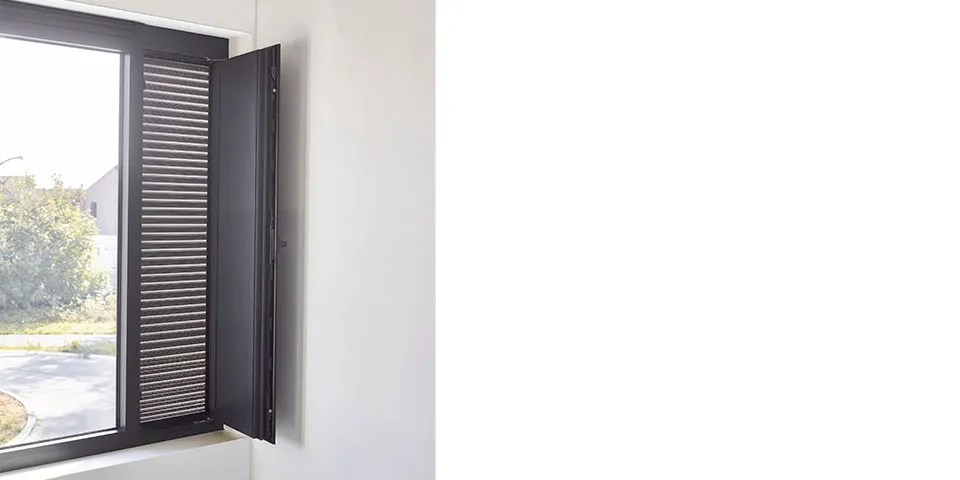
C+ ideal for BENG and NOM homes
Because heat loss associated with ventilation is so low, the C+ system has been granted a favourable equivalence rating, making it ideally suited to BENG and NOM homes, whatever claims may be made to the contrary. What is more, when you look at the total energy consumption of a C+ system, including heat loss due to ventilation and the ventilation unit’s own electricity use, it is even lower than that of a conventional heat recovery ventilation system.
And that is only the energy consumption. When you also take into account that filters do not need replacing and ducts need cleaning less often, because there are no supply ducts, the total cost of ownership quickly proves highly competitive with that of heat recovery ventilation systems.
As an added bonus, a C+ ventilation system draws fresh outdoor air directly indoors through ventilation grilles. Renson has effectively reinvented ventilation to meet the latest BENG standards, always with the same aim: to provide residents with the highest possible indoor air quality in every room, without them having to give it a second thought.
The ultimate in ventilation comfort
After all, shouldn’t ventilation above all take the burden off residents, provide them with the best possible indoor air quality fully automatically and, most importantly, offer comfort? A C+ ventilation system ticks all these boxes. The direct supply of fresh outdoor air and extraction of polluted indoor air in each room that needs it make it possible to use much lower airflow rates. This also addresses the frequently heard complaints about conventional C ventilation systems, which lack this advanced demand control: the risk of draughts and cold downdraughts.
C+ ventilation with Healthbox 3.0 and Invisivent window frame vents prevents this through:
- A lower ventilation volume requirement, thanks to highly targeted ventilation in the rooms that need it,
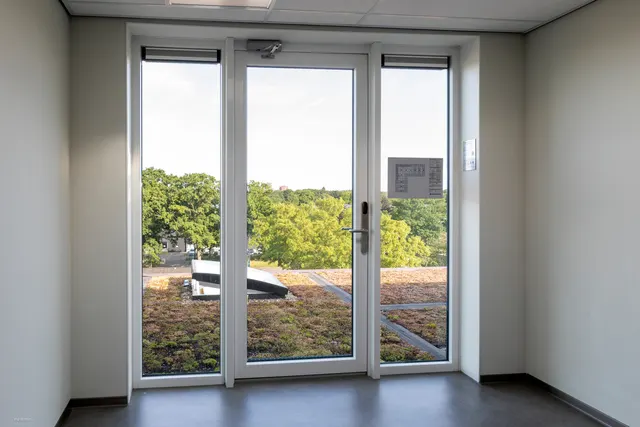
- The non-return flap in the Invisivent window frame vent, which prevents draughts or uncontrolled ventilation,
- The option to close an Invisivent in very extreme conditions, when it is exceptionally cold outside. Demand-controlled extraction of polluted indoor air in each room ensures that enough fresh air continues to enter through other rooms.
All this prevents comfort complaints, even when combined with low-temperature heating. It is also a bonus that the Healthbox 3.0 ventilation unit, the heart of the system, is barely audible. The system does not blow dry air into bedrooms and living rooms, and users can easily track the activity and history of their connected ventilation system via the app.
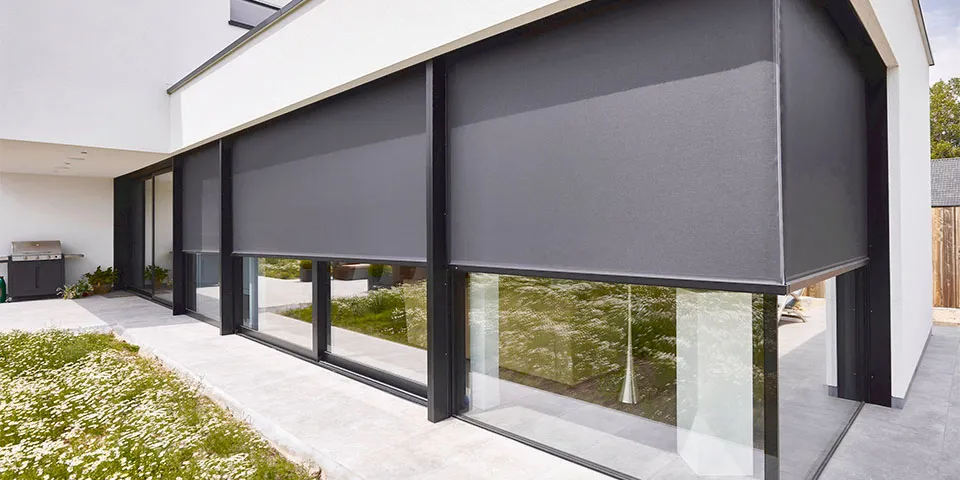
Keep the sun out before it reaches the glass.
Ventilation enables Renson to meet the strictest EPC requirements and guarantee indoor air quality, but we go a step further. Because to us, healthy living means more than high indoor air quality. It is also about a pleasant indoor temperature. With the last few hot summers and heatwaves in mind, keeping our well-insulated, airtight homes cool in an energy-efficient way is becoming a greater challenge than heating them.
TO July … achievable with external solar shading and night cooling
In line with this, BENG 4’s ‘TO July’ requirement means that, as an architect, consultant or property developer, you must take into account the number of days on which temperatures rise too high for indoor conditions to remain comfortable. An overhang, external solar shading and/or passive night cooling are attractive, sustainable alternatives to resorting to power-hungry, climate-unfriendly active cooling such as air conditioning.
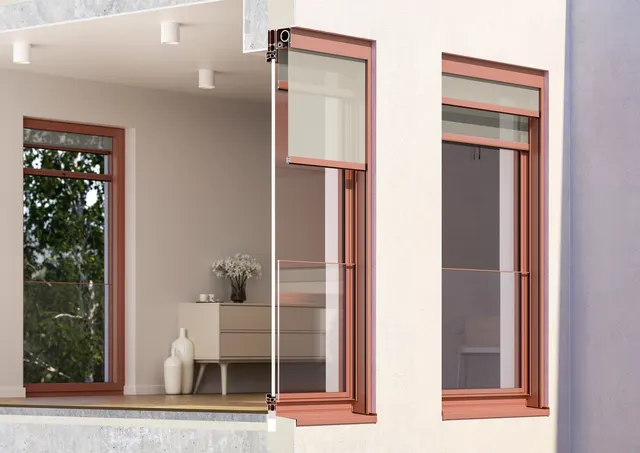
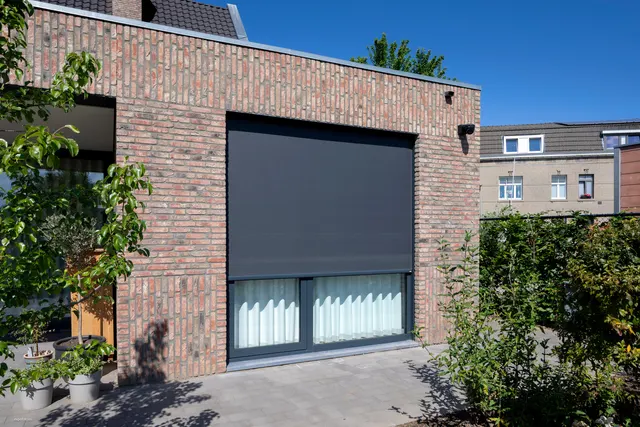
Renson is equally committed to natural solutions in this area: using external solar shading to stop the sun as efficiently as possible before it reaches the glass, and burglar-resistant window vents that let in cooler night air to help cool the interior. Together, these measures can reduce the indoor temperature by up to 15°. Another bonus is that dynamic solar shading, such as screens, still lets you benefit from free solar heat in winter. This type of fabric solar shading can also be integrated seamlessly into the façade without compromising your design.
Find out here how Renson is responding to the latest energy performance requirements:
‘+ in ventilation’ brochure
‘Ventilating to suit your needs’ white paper
www.renson.eu
Question about this story? Ask your question
Keep following this
Get an email when a new story is published. No account needed.
- ThemeAn energy-efficient and comfortable building envelope
- SubjectProduct information