Glass-fibre façade anchor prevents thermal bridging
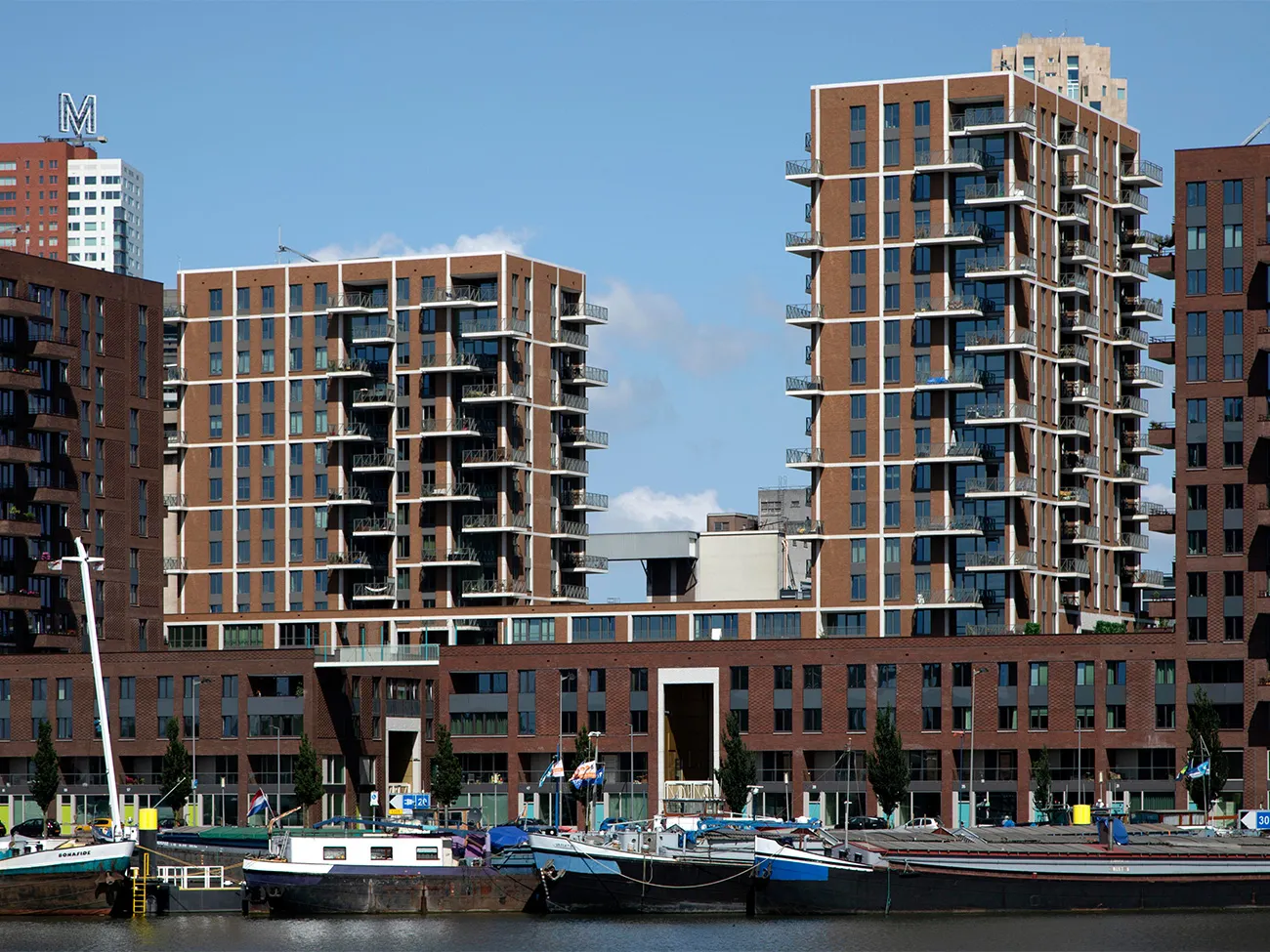
The quality of the building envelope as a whole, and of the products used, is becoming increasingly important. The new (BENG) requirements taking effect from 2021 also mean increasingly stringent requirements for the thermal envelope. There is no longer any room for thermal bridges in façades.
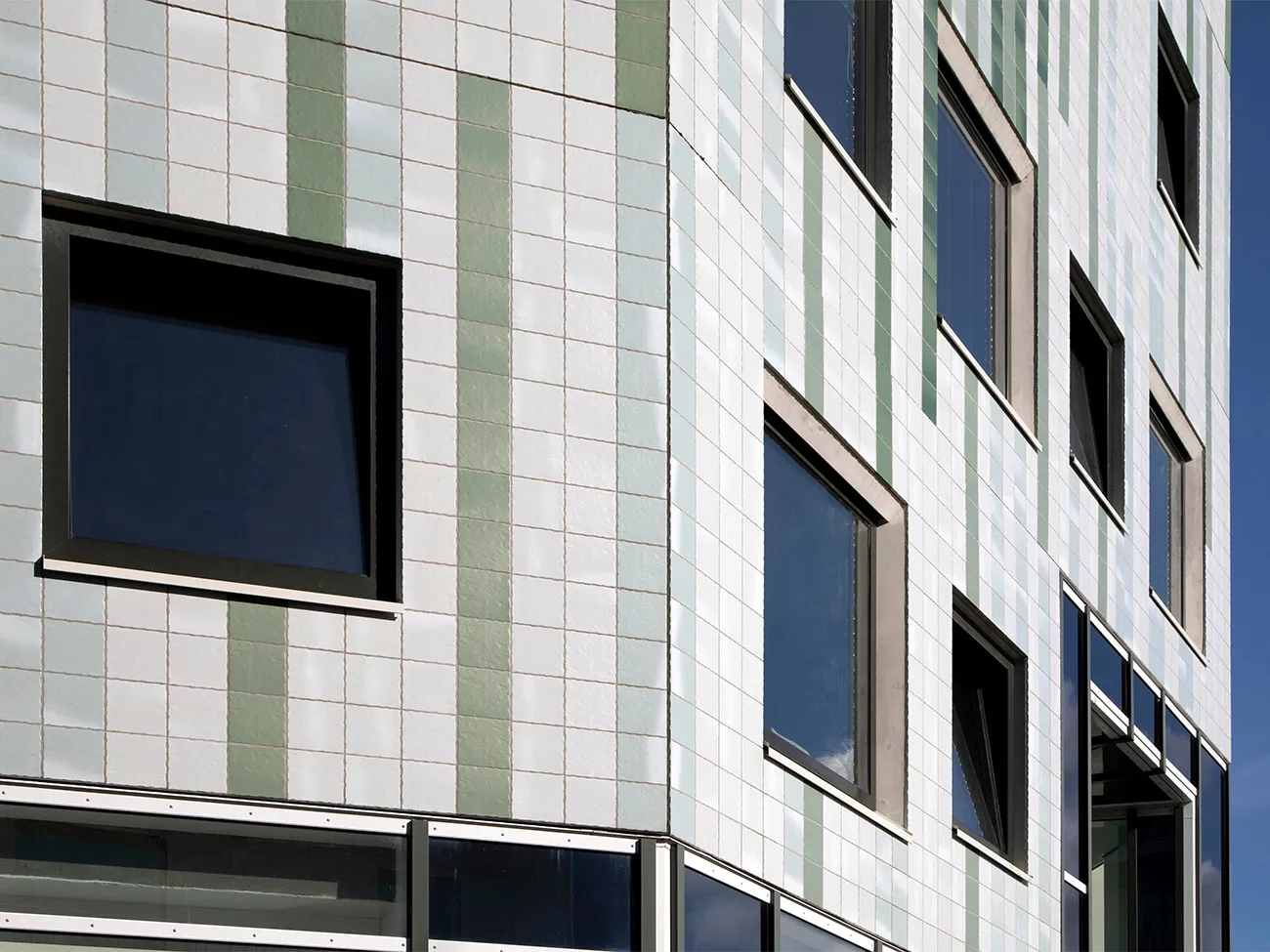
At the GEVEL 2022 trade fair, Schöck Nederland bv is putting its Isolink product in the spotlight. Mathilda Jansen, responsible for marketing and communications at Schöck, says: “We are exhibiting to showcase the products we supply and share our innovations with the market. Naturally, we would like to see ‘Schöck façades’ everywhere in the future, helping to prevent heat loss.”
Glass-fibre composite replaces metal
Looking to the future, there should be no room for thermal bridges in new-build or renovation projects. Replacing steel or aluminium with Schöck Isolink makes it possible to design and build to the highest standards. Isolink solutions are made from glass-fibre composite. This material conducts very little heat (λ = 0.7 W/mK), preventing thermal bridges and making it much easier to meet the BENG requirements. It also allows thinner façades to be designed, helping to reduce material use.
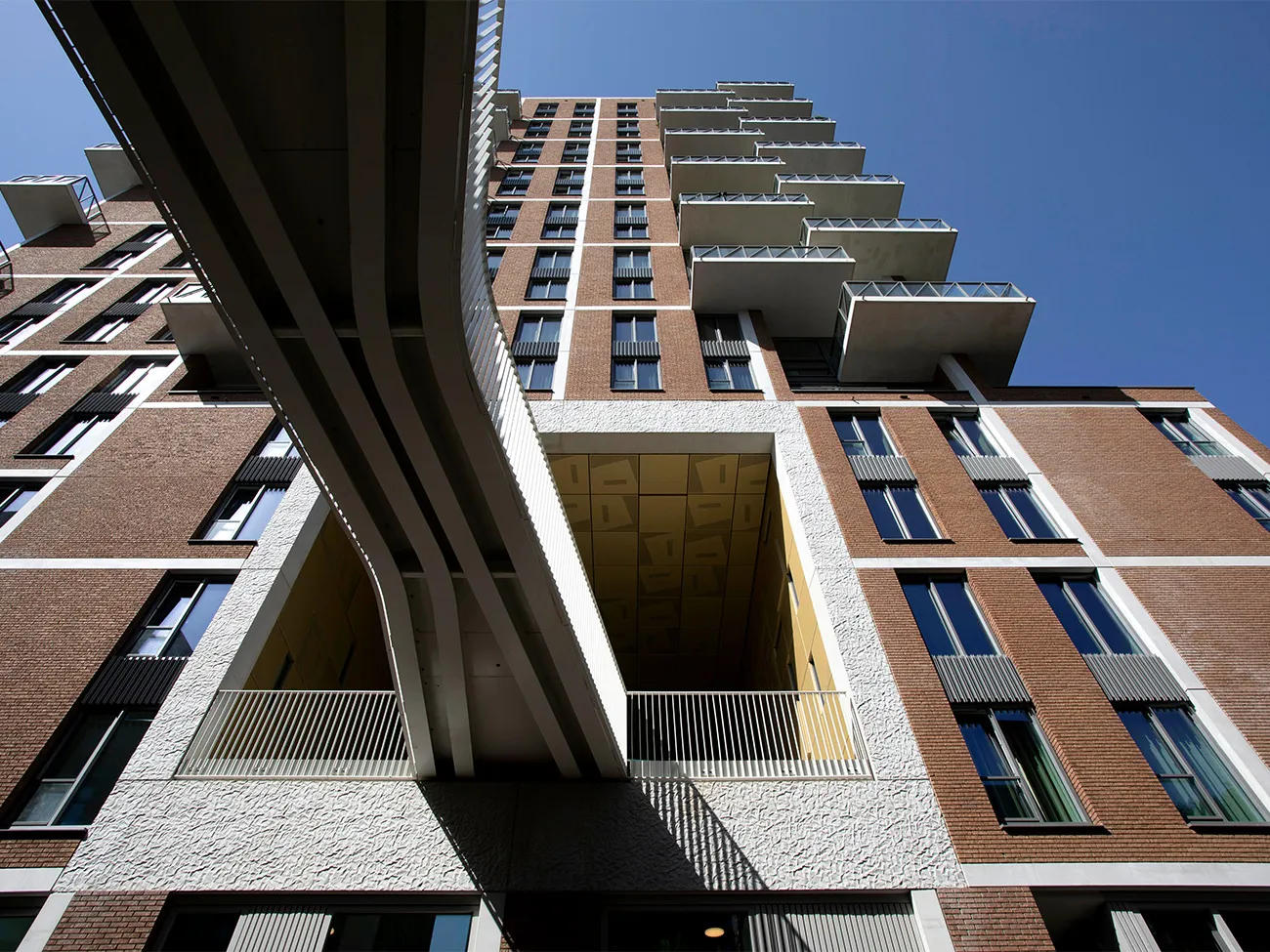
Ventilated façades
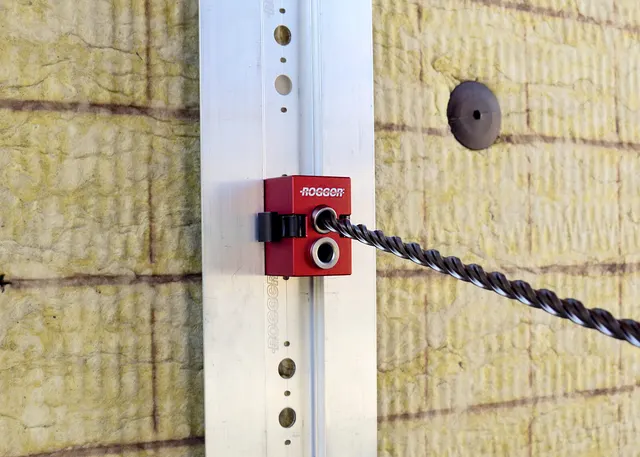
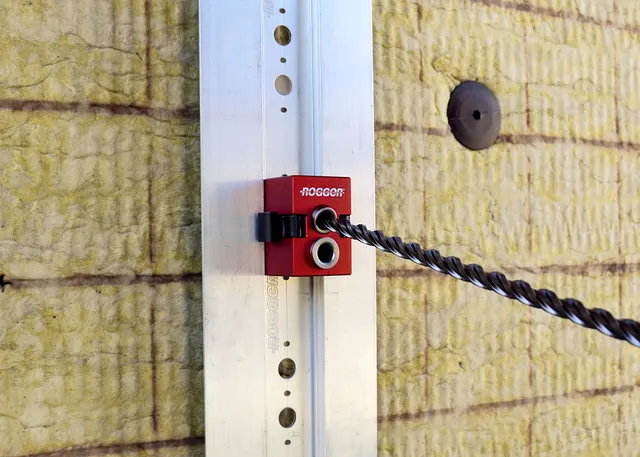
The Schöck Isolink type F-S façade anchor was specifically developed for ventilated façade construction. Schöck Isolink provides thermal insulation that is more than 200 times better than aluminium solutions. This reduces thermal bridging in the façade and can enable insulation thickness to be cut by up to 50%. The result is slimmer façades and increased net floor area in the building.
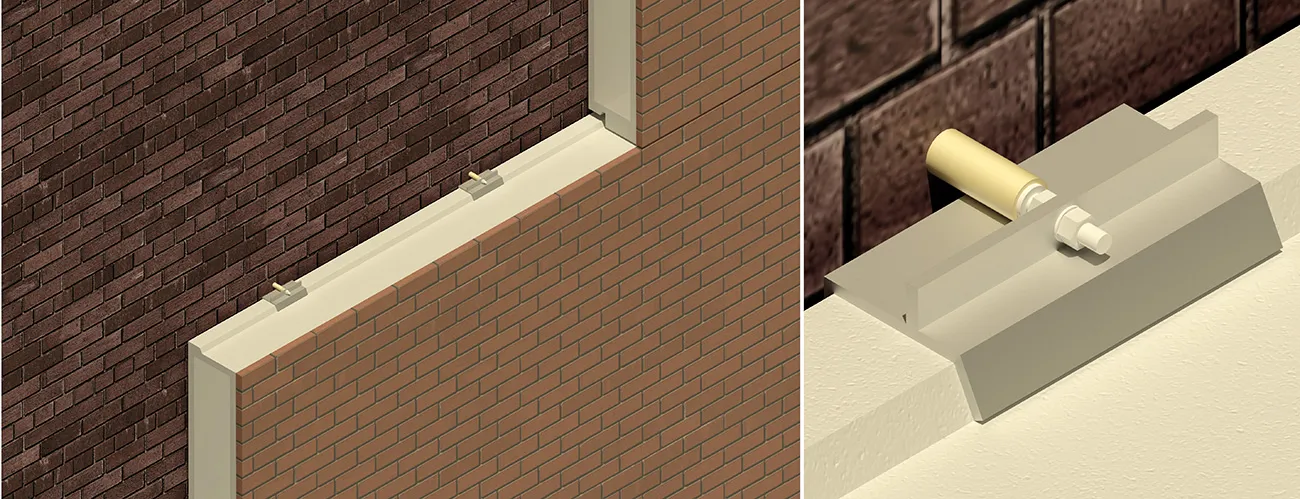
Precast concrete walls
Isolink provides a solution for sandwich wall connections with types C-EH and C-ED. The glass-fibre composite minimises thermal bridging. In addition, the anchor’s strength and stiffness provide the structural load transfer and load-bearing capacity required by the concrete walls. The façade anchor is easily installed in pre-drilled holes in the insulation, without major modifications. It can be used with all types of insulation material. This makes it an energy-efficient alternative to conventional stainless steel anchors for connecting the inner and outer concrete leaves. The rod-shaped element is suitable for both supported and cantilevered façades, and enables large wall dimensions of up to 6 x 12 metres. All Schöck Isolink product types for concrete façades have been tested and are supplied with KOMO certification.
Renovation
With energy prices rising rapidly, there is a strong focus on improving the sustainability of social housing in older neighbourhoods. Schöck is responding to this trend too. “Our Isolink anchors make it possible to install a completely new thermal envelope around an existing building. Another benefit is that no chemical fixings are used. If a different solution is chosen in twenty years’ time, this outer layer can be easily removed without damaging the building or leaving chemicals behind. This makes it a circular solution.” In short, Isolink is a lightweight, circular, screw-fixed connector and the best replacement for steel and aluminium façade anchors.
Stand number: 04.B010
Contact: Mathilda Jansen, [email protected]
Question about this story? Ask your question
Keep following this
Get an email when a new story is published. No account needed.
- ThemeAn energy-efficient and comfortable building envelope
- SubjectProduct information