Thermal-bridge-free RA plug for façade cladding: secure fixing and insulation
Text Chris ElbersImage Fidelis A.R.U.
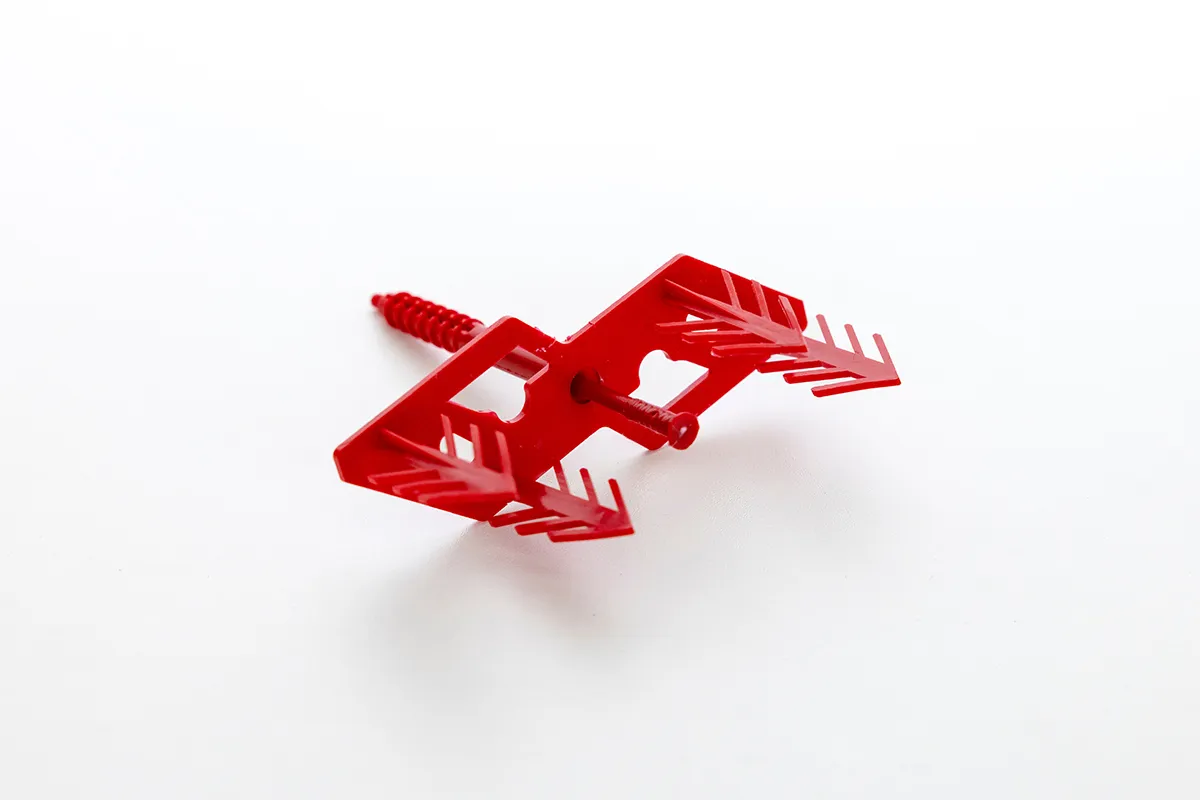
Certification expected in autumn 2025
As part of the drive to make Europe climate-neutral by 2050, 43 million homes across the continent need energy-efficient renovation. This is a major undertaking that cannot be achieved through solar panels and heat pumps alone. Meeting the targets will also require the development of other innovative, sustainable building components. A good example is the unique thermal-bridge-free RA plugs from Fidelis A.R.U. in Enschede. In preparation for ETA certification, the company has now successfully completed tests to ISO 527-2 and ISO 179-1/1eA.
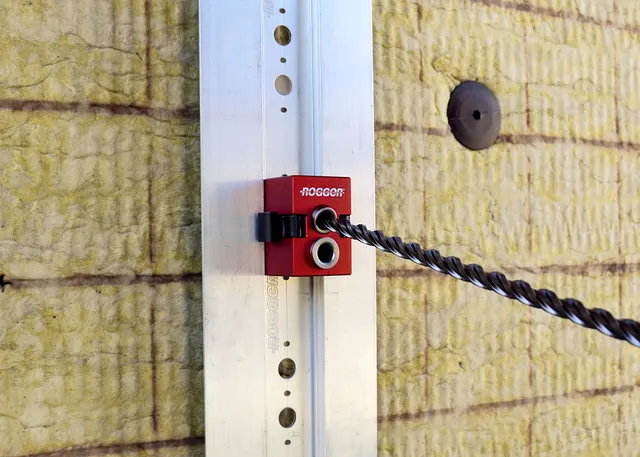
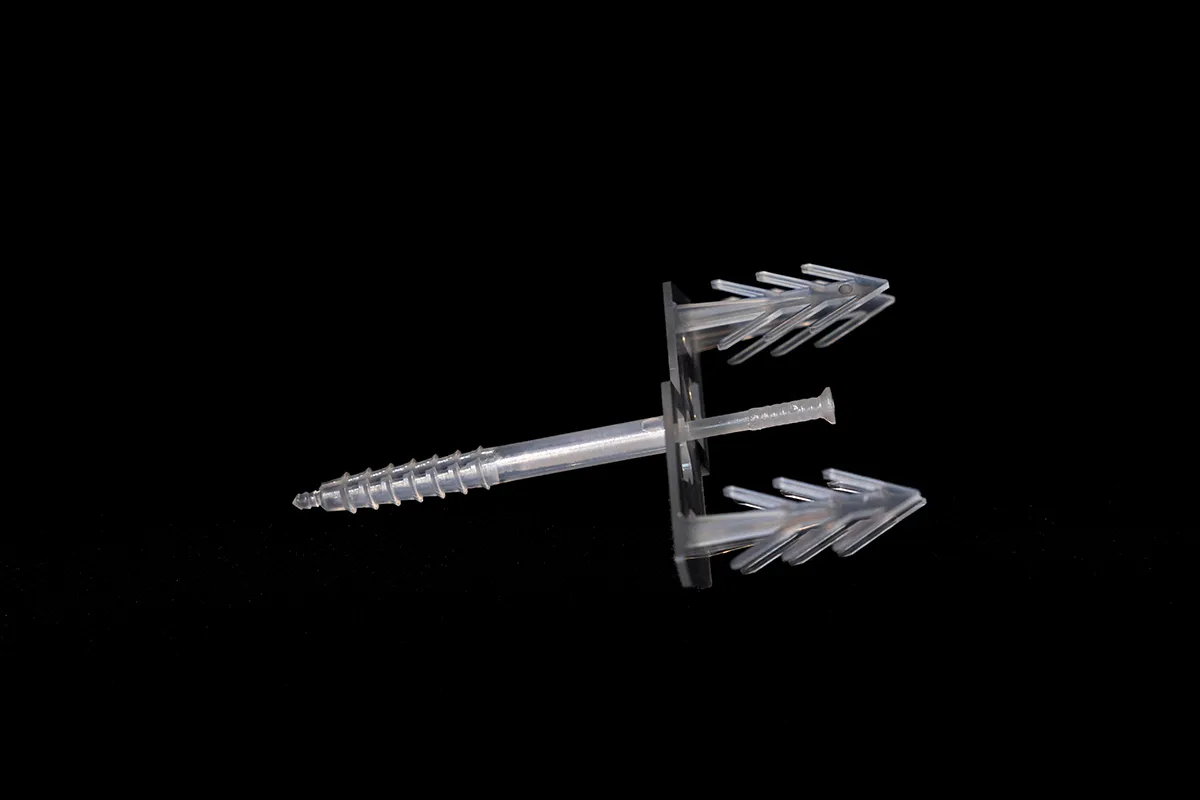
The construction sector must also do its bit to help Europe become climate-neutral, particularly when it comes to rolling out the renovation initiative mentioned above. One effective way to achieve this is to give homes a comprehensive, permanent insulating envelope. The RA plug, made entirely from recycled and recyclable PET granulate, is ideally suited to this purpose. “This product, developed in-house, answers the question of how to insulate existing and new exterior walls professionally, without having to drill through the façade insulation boards.” Fahrudin Fehric, owner of Fidelis A.R.U. and the driving force behind the innovative plug, explains: “But that’s not all. Available in several variants, the plug also provides a durable, exceptionally strong fixing without thermal bridges. It works with every type of façade insulation board, whether EPS, XPS or mineral wool. The plugs are also fire-resistant and comply with fire safety regulations for public spaces and large residential and industrial buildings.”
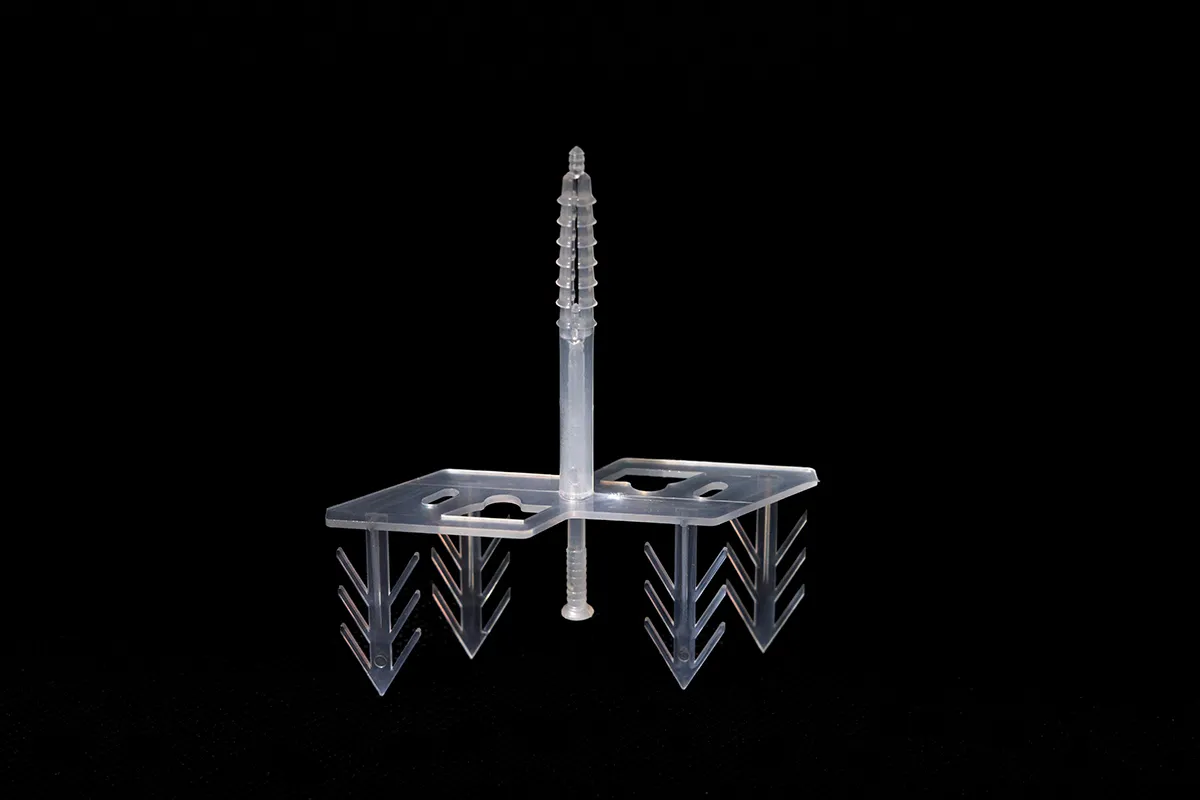
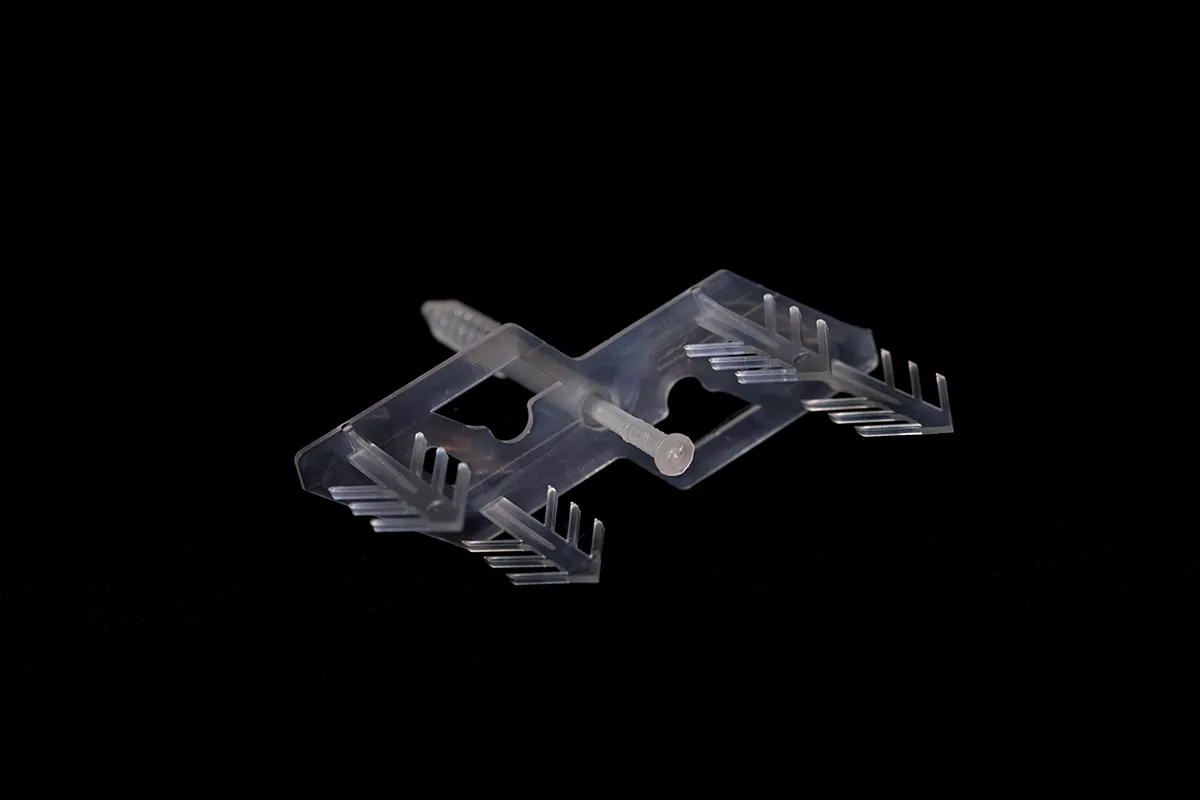
Risks eliminated
As the name suggests, the high-performance RA plug is based on reverse anchoring. Fehric explains: “When façade insulation boards are installed during renovation projects, there is a high risk that the bond between the adhesive and the existing façade will fail. The boards can then come loose, creating a risk of cracking or even the entire façade collapsing. Our RA plugs eliminate these risks. They mechanically fix the insulation boards to the façade using anchors. This keeps them securely in place, regardless of the adhesive bond. The result is long-lasting fixing for each insulation element and excellent protection against the harshest weather conditions. You also save considerable time and materials, as the boards do not need to be drilled through and then sealed with plugs. Savings of up to 60 per cent are easily achievable.”
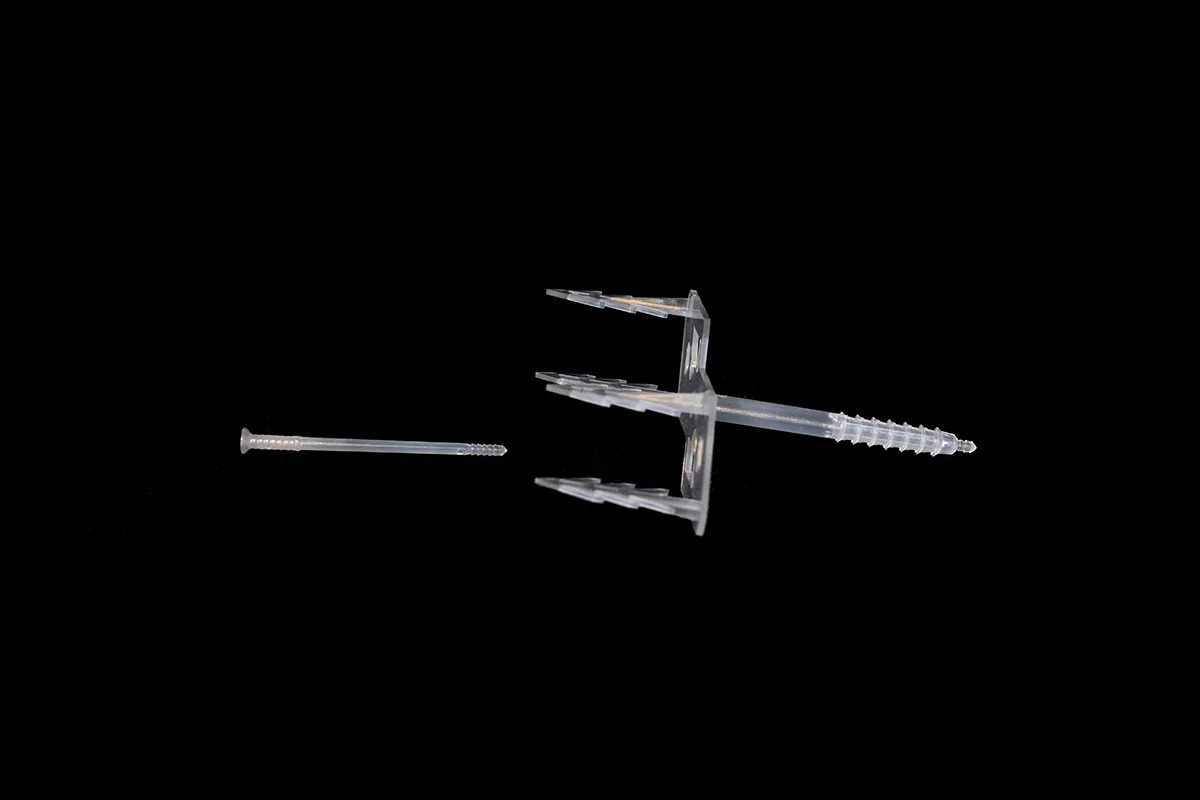
Fast and simple
Fidelis A.R.U. RA plugs also give installers greater flexibility in their choice of adhesive. For example, one-component PU adhesive foam can be used instead of traditional adhesive mortar. The foam is ready to use at the press of a button, without the need for prior mixing, as with adhesive mortar. “Another advantage of PU adhesive foam is its fast drying time,” Fehric adds. “After just two to three hours, the bonded EPS boards can be finished with reinforcement and façade render. That is a major difference compared with cement-based mortar, which takes three to four days to dry.”
Certification in sight
Fidelis A.R.U., which specialises in window frames, façade finishing, tiling and complete renovation solutions, is on track to certify its RA plug. To gain insight into the mechanical properties of the material used to make the plug, PET granulate, the company has now successfully completed tests to ISO 527-2 and ISO 179-1/1eA at Polymer Science Park, the applied polymer technology innovation centre in Zwolle. “We are working with Kiwa to obtain ETA certification for this product,” says Fehric. “We expect to complete the process in autumn 2025. Watch this space.”
Question about this story? Ask your question
Keep following this
Get an email when a new story is published. No account needed.
- ThemeFacade design and construction
- SubjectProduct information