








Smarter anodising for façade construction: sustainable, circular and digital
Text Roel van GilsImage Alucol
From profile to project: craftsmanship and innovation in aluminium finishing
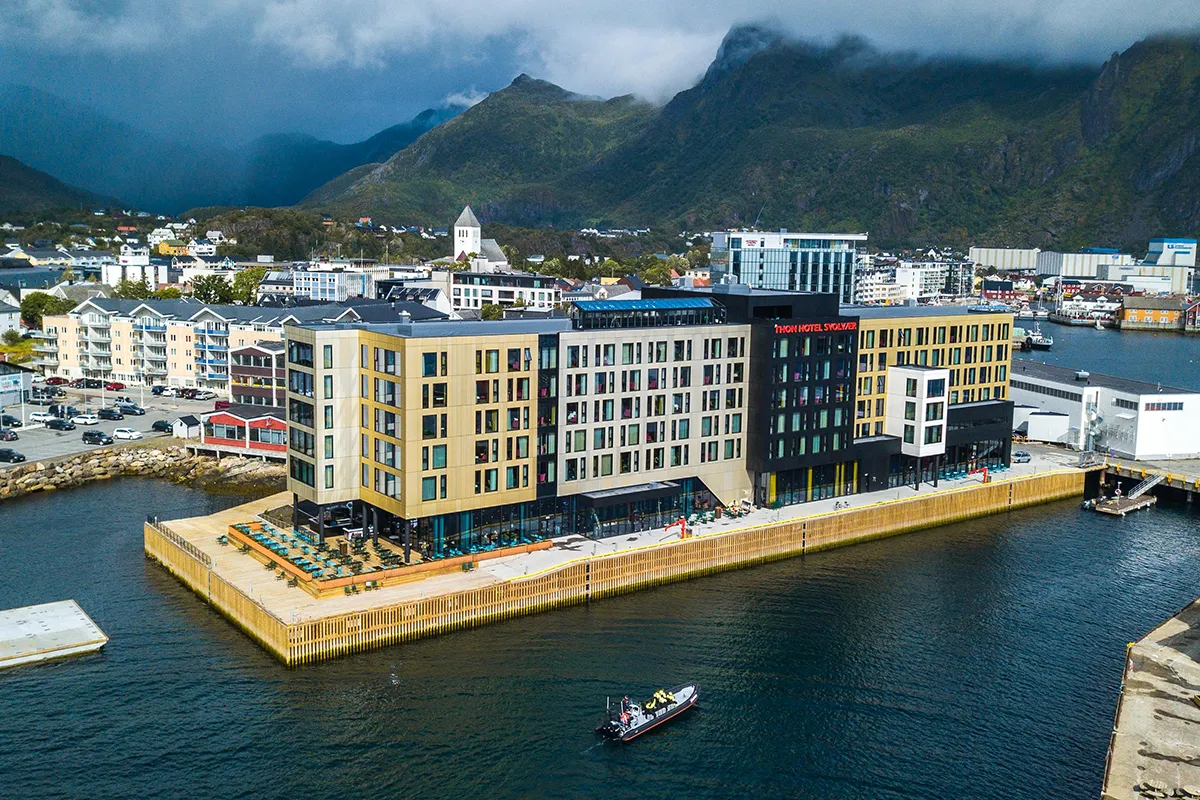
Alucol has specialised in aluminium anodising since 1971 and plays a prominent role in façade construction. With two unique anodising lines, the company serves both aesthetic and functional markets. Its colour anodising capacity for components up to 7.6 metres long and 1.7 metres high is ideally suited to architectural applications such as façade cladding, window frames and design panels. Alucol also has a 22-metre line for natural anodising of large, heavy objects weighing up to 4 tonnes, including masts, staircases, balconies and complete structural components. This combination of scale, precision and aesthetics makes Alucol a strategic partner for anyone looking to use aluminium not just for its functionality, but also as a defining feature of a building.
Transparency through digitalisation
One of Alucol’s key strengths is the extensive digitalisation of its production process. The implementation of a new ERP system and the development of its own quality app ensure maximum transparency for customers. Every process step is logged, from a profile arriving and being clamped in place to the final visual inspection after anodising. “For example, if we spot a scratch on the base material while clamping it in place, we immediately take a photo and send it to the customer through the app,” explains managing director Frank Veelenturf. “The customer then decides whether to supply the material again or proceed. This prevents disputes later on and keeps lead times short.” The final visual inspection, just before packaging, is also fully integrated into this approach. “This prevents defects from only being discovered on site, with all the resulting delays and costs.”
Book production capacity like a hotel room
Another digital innovation is the option to reserve production capacity. Customers can book a time slot for their order themselves through the ERP system. “Think of it as Booking.com,” says Veelenturf with a wink. “There are ‘rooms’ with different lead times and service levels. If you want a fast delivery, you pay a little more. If you’re flexible, you can schedule at a lower price. Up to a point, you can even cancel free of charge.” This approach gives customers flexibility and allows Alucol to make optimum use of its production capacity, with AI also helping to automatically optimise the sequence of processes.
Fire safety as standard
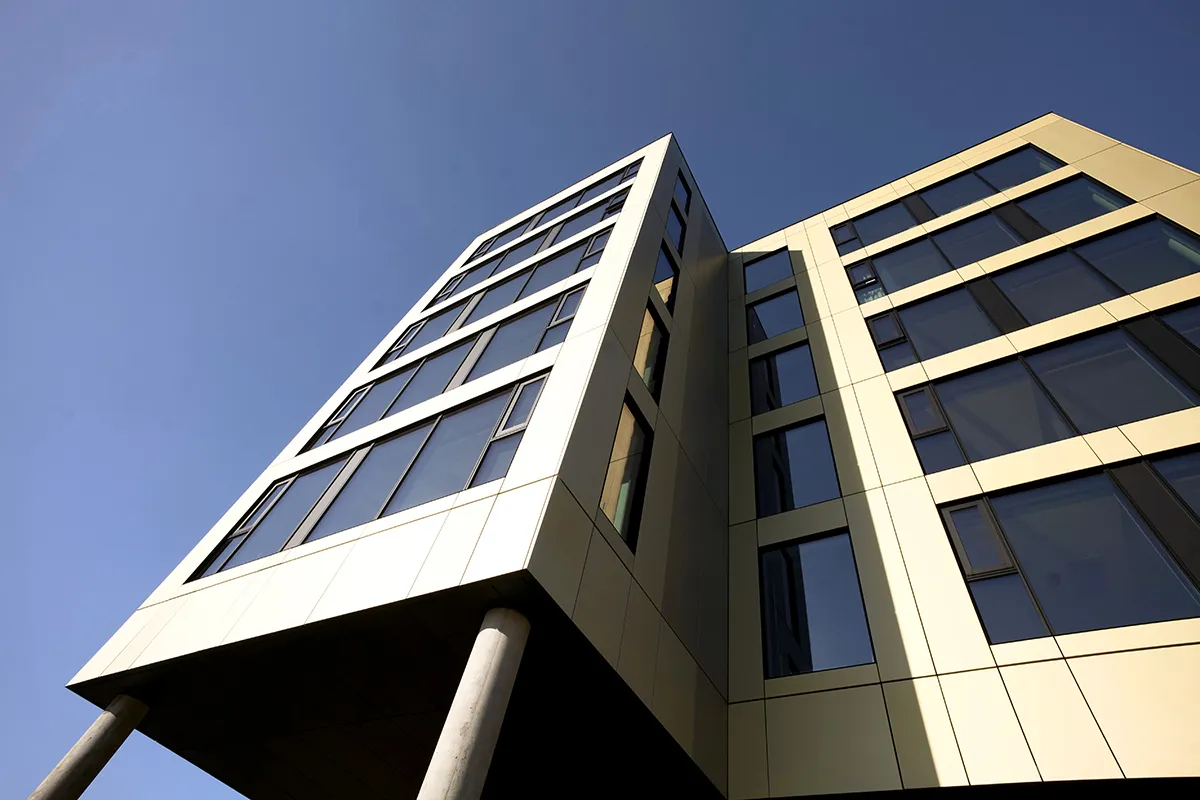
Alongside speed and transparency, safety and regulatory compliance are important priorities in façade construction. Anodising contributes to both: aluminium with an anodised layer falls into reaction-to-fire class A1 under EN 13501-1. This means it is non-combustible, produces no smoke and forms no flaming droplets. “Fire safety is playing an increasingly important role in material selection,” says Veelenturf. “With A1-classified aluminium, we offer peace of mind, including for high-rise and public buildings.”
Circular reuse: from old to as good as new
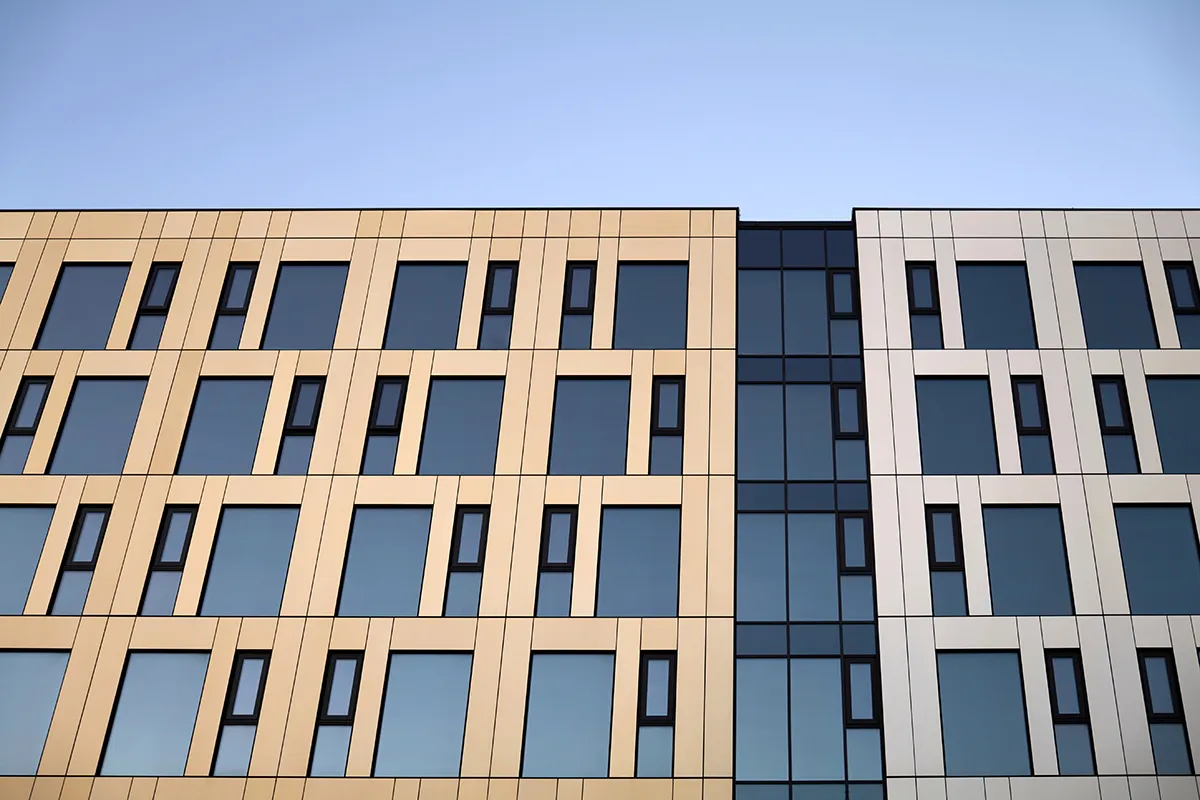
Another area in which Alucol stands out is circularity. Aluminium is already 100 per cent recyclable by nature, but anodising makes reuse at an aesthetic level possible, not just in theory but in practice too. “For a recent project in Belgium, the entire façade was dismantled and we re-anodised the aluminium façade profiles,” says Veelenturf. “The result is a completely refreshed appearance with minimal environmental impact.” Re-anodising opens the door to aesthetic renewal without demolition. “You can transform existing façades: from bronze to gold, black or grey. Why replace something when you can enhance it? This approach not only extends the service life, but also gives buildings a second life.”
From façade to design object
The aesthetic value of anodising goes beyond uniform colours. Innovative techniques can also create expressive effects. A good example is the project with designer Paul Coenen, which used a shrink-wrap dye process. Dyes flow organically across the aluminium surface, creating layered, natural patterns. “For us, it is the ultimate confirmation that anodising not only provides protection, but is also an artistic medium,” says Veelenturf.
Working together with the future in mind
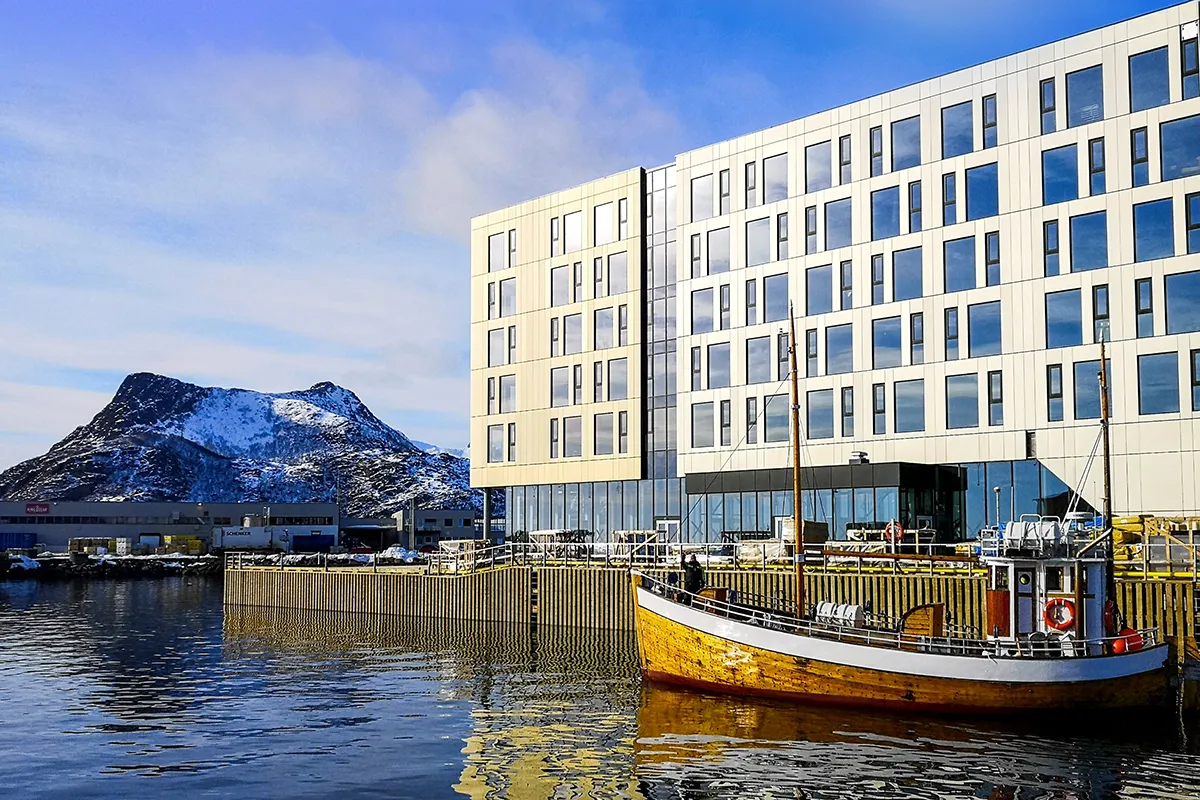
Alucol increasingly presents itself as a knowledge partner rather than simply a supplier. Architects and façade contractors are involved from the outset, for example in decisions on material selection, colour consistency, processing and planning. “We’re happy to work with you, from the first sketch to the final screw,” concludes Veelenturf. “Because smarter anodising is something we do together.”
Question about this story? Ask your question
Keep following this
Get an email when a new story is published. No account needed.
- ThemeCircular facades with lower environmental impact
- SubjectGeneral







