








The future of construction: Cradle to Cradle
Sustainability is everywhere these days. It is no surprise, then, that in recent years a growing movement of companies and manufacturers has emerged embracing the ‘Cradle to Cradle’ (C2C) principle. Kawneer is among them. Designing and manufacturing sustainable aluminium products requires extra care and effort. It is therefore important to consider the origin of raw materials and how the finished product can be reused in the future. In this article, Jeroen Boersma, Senior Product Specialist at Kawneer, takes us through the steps Kawneer is taking in this area.

What is Cradle to Cradle?
Cradle to Cradle is a design philosophy based on the idea that all products can be reused. Waste is therefore no longer waste. The aim is for a product to be fully reused at the end of its life cycle. This is known as upcycling. The term describes how a waste product with relatively little value, such as scrap aluminium from demolition, can be turned into a product of greater value, such as an aluminium window profile. This way of thinking contrasts with traditional manufacturing, where the finished product, costs and returns take precedence over the depletion of raw materials, environmental pollution and suitability for reuse.
Recycling reused materials
Under the Cradle to Cradle approach, manufacturers consider the entire ‘supply chain’. They assess the origin of raw materials and look at more sustainable alternatives, such as recycled aluminium. It is also important for the finished product to be easily recyclable at the end of its life. The Cradle to Cradle Products Innovation Institute (C2CPII) has therefore established rules to help manufacturers.
One example is the Cradle to Cradle Certified ‘Banned List of Chemicals’. This list identifies chemicals that must not be used by products seeking C2C certification. PVC, for example, is one of the ‘banned chemicals’, so PVC products cannot be certified. Aluminium, by contrast, is eligible for certification. Recycling aluminium uses 95% less energy! Demand for aluminium is therefore high. For this reason, Kawneer is investing in the supply chain for used aluminium and construction and demolition scrap.
Demolition is the new mining
More effective demolition and better separation are essential for waste reuse. Products are therefore designed to be easy to dismantle at the end of their service life. This makes recycling much easier. Rubber, hardware, plastics and other separate components can be removed, leaving only clean aluminium. The Cradle to Cradle philosophy is an important step towards a more sustainable future for both our planet and our economy.

Kawneer’s Cradle to Cradle
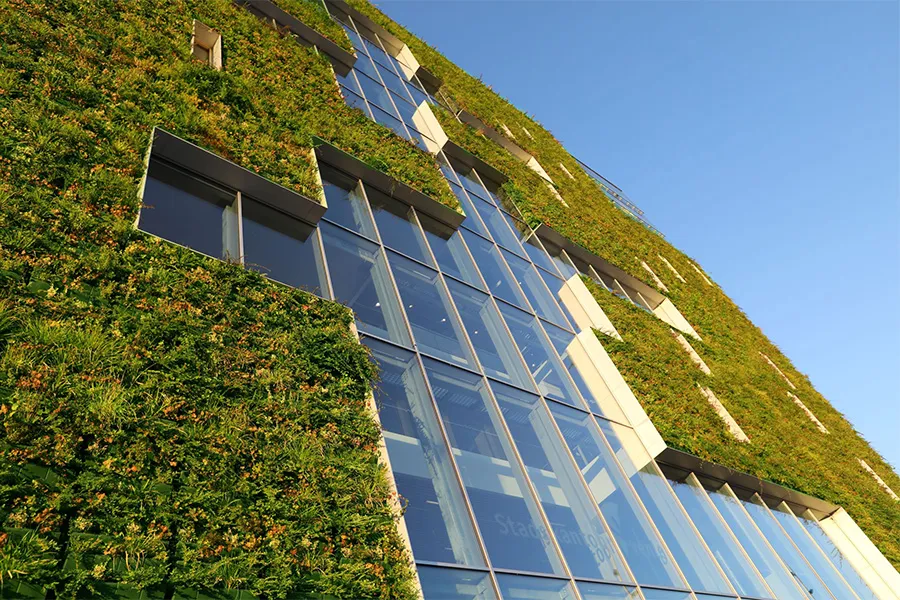
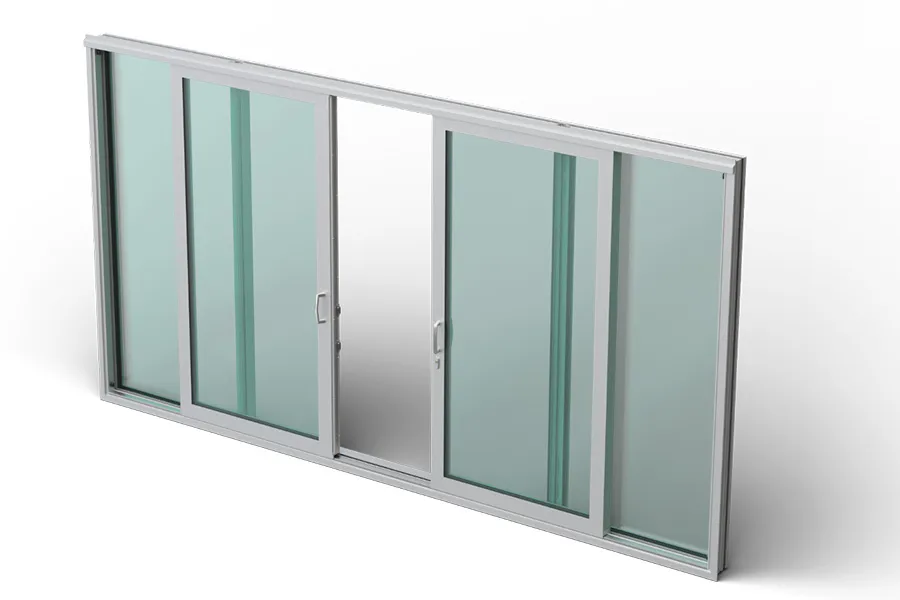
Aluminium is a sustainable material: it can be recycled indefinitely, is non-toxic and requires very little maintenance. More and more Kawneer products are C2C certified. For example, the sustainable Stadskantoor Venlo (photo) features Kawneer’s Cradle to Cradle Silver-certified AA 100 HI+ curtain wall. The AA 5110 sliding door (photo) also carries the Cradle to Cradle Certified® Silver designation. We have our products assessed by the C2CPII. This independent organisation awards certificates to products that meet requirements above and beyond those set by law. The assessment covers not only the aluminium, but also the hardware, rubber and sealant. See more of Kawneer’s products here with C2C certification.
The ultimate aim is to have a positive impact on the environment, showing that companies can operate sustainably and still be successful. By having its products C2C certified, Kawneer is also contributing to a more sustainable future.
Question about this story? Ask your question
Keep following this
Get an email when a new story is published. No account needed.
- ThemeCircular facades with lower environmental impact
- SubjectGeneral







