








Digital transformation in façade construction
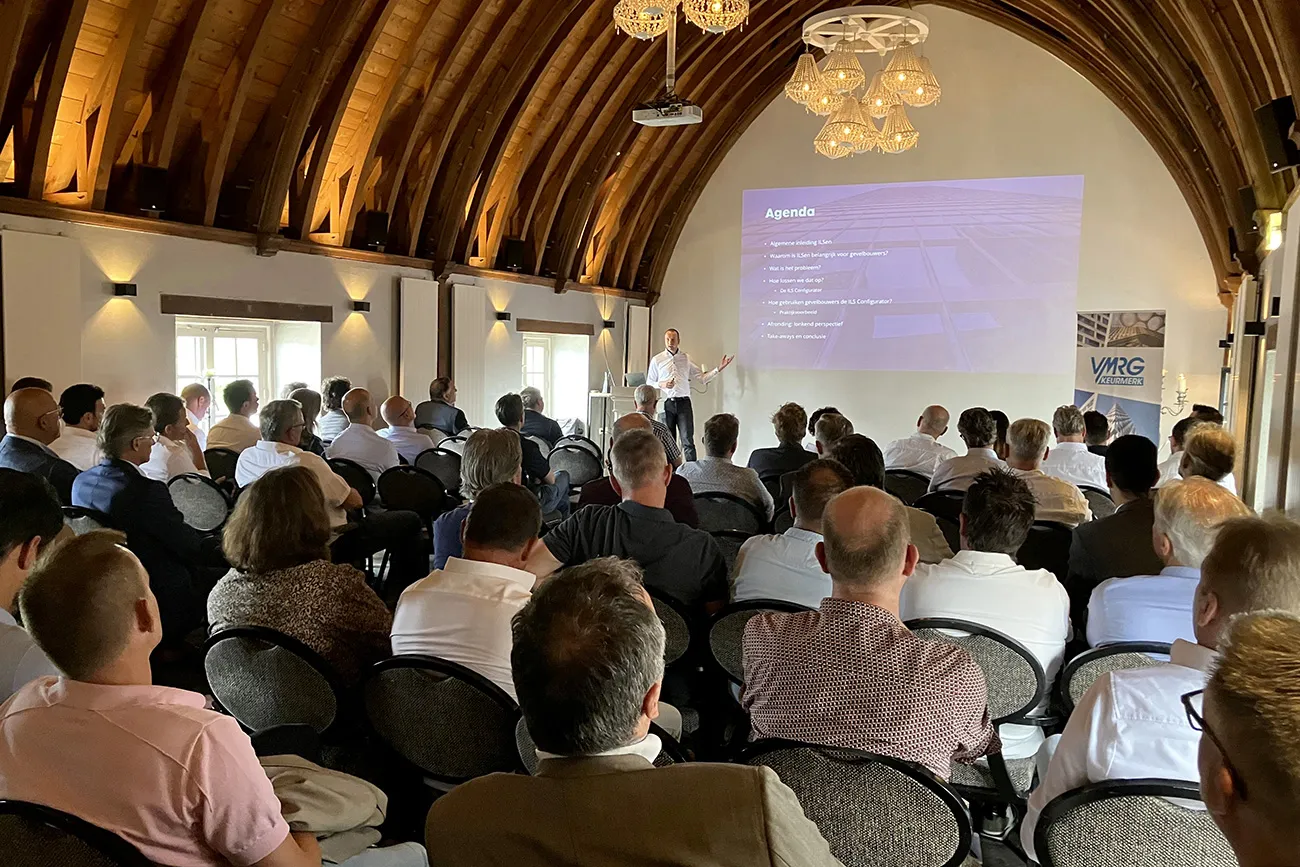
On 27 June, the VMRG organised an afternoon event for directors of its member companies. The theme was digital transformation. VMRG Chairman Joseph Kuling is closely involved in digitalisation in the construction industry. We look back at the Directors’ Day with him and explore what digitalisation can bring to façade construction in the future.
What is your particular connection with digitalisation in the construction industry?
Digitalisation has been a recurring theme throughout my career. From the introduction of the PC at my first job to automation and information management, it has always been there. It is really a hobby that I have put to use at the companies I have worked for. About ten years ago, I was invited to join the Construction Digitalisation Council. If you want to make real improvements in construction, you need to optimise collaboration across the supply chain. That requires information to flow consistently in both directions between the different parties in the chain, from the client right through to the (façade) contractor and suppliers. As a member, and now as chair of the Construction Digitalisation Council, I have been able to contribute to this.
How does this process work?
Digitalisation requires standards that apply throughout the supply chain. This means consistent agreements and codes that specify, for example, exactly what constitutes a door. A range of standards have now been developed for different applications. To exchange information, it is then important to know that the information is reliable and can be exchanged securely. Ideally, all parties work from a single source. That is why work is currently underway to create a digital framework for the built environment. Many parties from the construction industry are involved, including the VMRG. It is expected to be accessible within a year. With both the standards and the framework in place, all the applications available can be used much more effectively.

Can you give an example?
Take a BENG standard, for example. Suppose you want to apply it in the architect’s digital twin model. It needs to be aligned with the model using specially developed software that links the calculation software to the drawing software. At present, this is arranged between the parties involved. The digital framework will make this kind of integration possible for all parties. This means existing applications can be used by more parties, and new applications can be developed.
What can you tell us about the brand-new ILS Configurator?
The ILS Configurator was also discussed at length during the recent Directors’ Day. The standard is the ILS, the information delivery specification, which is essentially an agreement between the architect, contractor and façade contractor. The standard has now been automated to make it quicker, more flexible and easier to use. You no longer need to be an expert. Work planners can now use it too.
What can façade contractors do with it?
Many façade contractors are involved early in the design process, for example as part of a construction team. This gives them influence not only over what is made, but also over how it is made properly. A façade contractor has the expertise in-house and can, if necessary, work with a systems house to provide the right solutions. These parties can then collaborate in a BIM model. Ultimately, this can lead to a digital twin of a building developed in enough detail to continue using it after handover, for example to manage maintenance efficiently. It is also possible to automatically incorporate data from façade sensors into the digital twin, providing information about how the façade is being used.
How does this work in practice?
Technically, all of this is already possible, but in practice we see collaboration on digital matters ranging from none at all to highly advanced. It would be great for a façade contractor if the model could automatically generate the right orders through the ERP system and control the machinery. All of this is possible, but we are not there yet. Many factors are involved, including standards and the digital framework, but also the organisations themselves. This was also presented at the Directors’ Day.
What role does the VMRG play in this?
The VMRG is closely involved with digiGo, the executive body of the Construction Digitalisation Council. digiGo is also involved in the circular façade economy. The Digivaardig programme, which starts at the end of this year, can also help companies roll out their digital strategy. It enables them to assess their own level of digitalisation. With the help of a coach, a company can develop and implement the next steps towards its own digitalisation goals. The VMRG is one of the organisations investing in this programme.
The VMRG BIM working group, with representatives from VMRG member companies, also made a significant contribution in the run-up to the ILS Configurator. This meant the VMRG ILS façade could be included from the launch of the ILS Configurator. The BIM/digitalisation working group will continue to work on the further digitalisation of the façade industry.
What are the short-term opportunities for façade contractors?
It starts with a sound digitalisation strategy. You really need one in this day and age. I do not mean an automated invoicing system, but processes that enable optimal collaboration across the supply chain and within the company’s own production operations. Draw up a roadmap for the next three years. Define your ambition. Where am I now, and where do I want to get to? And what do I need to do over the next three years to get there? It all starts with people. Make sure you recruit people with the right ambition, trust them and give them the support they need. Then our industry has a bright future.
Question about this story? Ask your question
Keep following this
Get an email when a new story is published. No account needed.
- ThemeFrom facade model to production
- SubjectVMRG







