








Dogmas in the materials debate
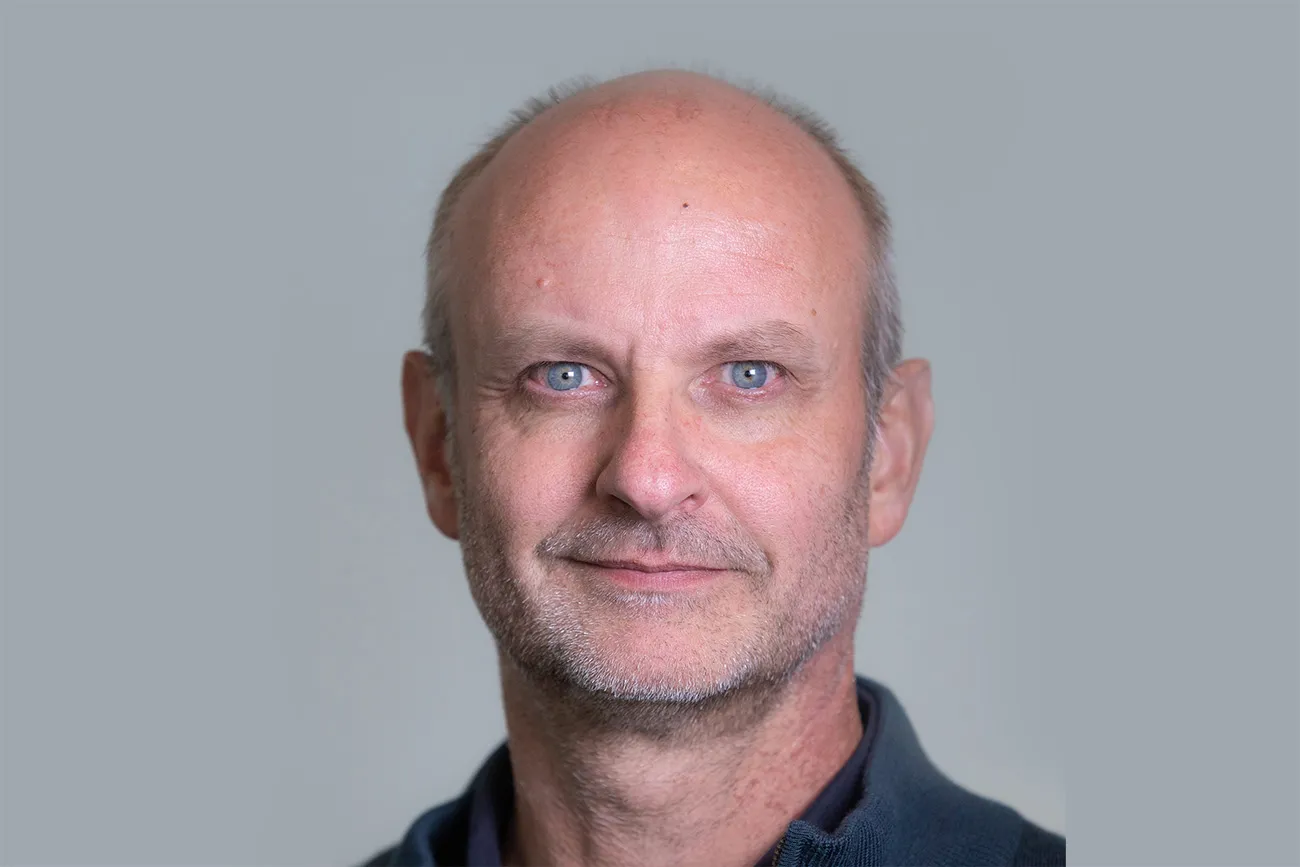
Menno Rubbens, Director of cepezed projects
In the middle of the debate about CO2 emissions from building materials, you are asked to write a column for VMRG. I find it difficult to act as an ambassador for a single material. As a member of the Transition Team for the Circular Construction Economy, I argue instead for abandoning the prevailing materials dogmas. How credible can you be when, as an association representing manufacturers of a particular material, you loudly proclaim that ‘your’ material is the best when it comes to sustainability? At times, it takes on almost religious proportions, along with all the threats of extremism that go with it. Whether it is concrete, steel, aluminium, timber or plastic, everyone claims to have the answer and tries to sell it as a cure-all.
If we want to make progress in controlling CO2 emissions, we must stop polarising and instead come together for a dialogue about the strengths and weaknesses of materials. The basis for this dialogue may lie in the design transition towards a more demountable built environment. After all, any building, regardless of its material, that has not been designed for demountability can never become part of the much-needed circular construction economy.
The good thing is that demountability is not determined by a particular type of material, but by how it is used. Any material can be used in a demountable way. Developers and architects should see the demountability of a building, and the planning for its disassembly, as a challenge and a source of inspiration for their choice of materials and design. At cepezed, we saw ‘the light’ 50 years ago. Not by dogmatically pursuing a single holy grail, but by designing and building structures as a ‘kit of parts’. And this approach is proving less and less dependent on material choice. We continue to develop and expand our ‘kit of parts’ approach. For example, we are now constructing buildings with demountable precast concrete hollow-core slabs, something that would have been considered pointless only a few years ago. Aluminium façades have long been part of our standard toolkit. Now they need to be produced without fossil fuels. Encouraging that transition is an important issue for VMRG. As all the trade associations face the same problem, this is a great opportunity to cast aside dogmas and seek cooperation and dialogue.
Question about this story? Ask your question
Keep following this
Get an email when a new story is published. No account needed.
- SubjectVMRG







