








VMRG on an inspiration safari
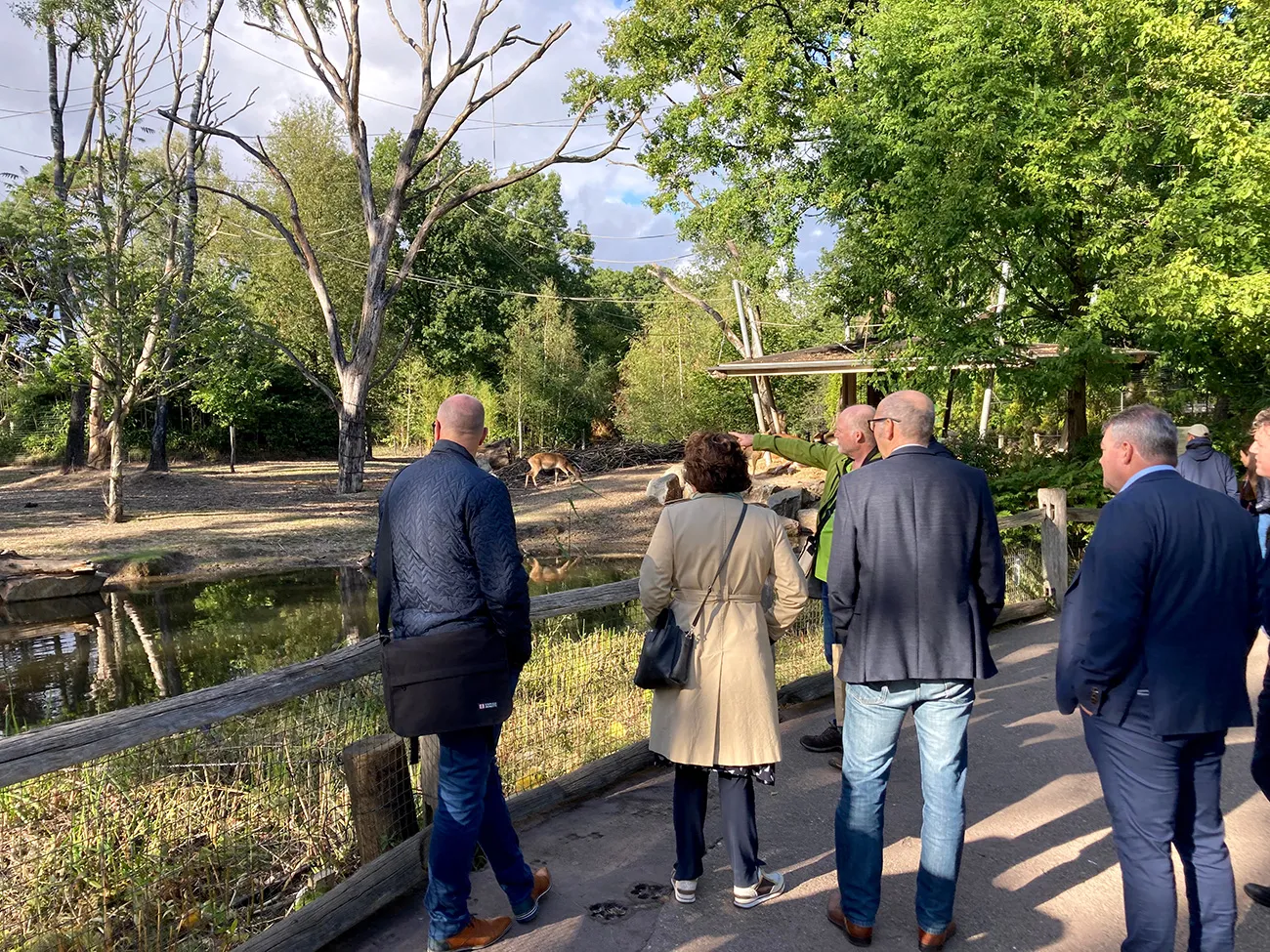
On 19 September, all companies affiliated with VMRG were invited to join an inspiration safari at Burgers’ Zoo in Arnhem. In the morning, VMRG’s General Members’ Meeting took place at the Kilimanjaro lodge, overlooking the African savannah. Part of the afternoon was spent in the same lodge, listening to inspiring speakers, and part at the zoo itself.
Some of the group began the afternoon with a guided biomimicry walk through the zoo, led by a guide from Burgers’ Zoo. Many innovations have their origins in nature. Research is needed to turn these ideas into innovations. VMRG had also invited two inspiring speakers for the afternoon who are closely involved in this field. Here are the highlights of their presentations.
The future of the façade
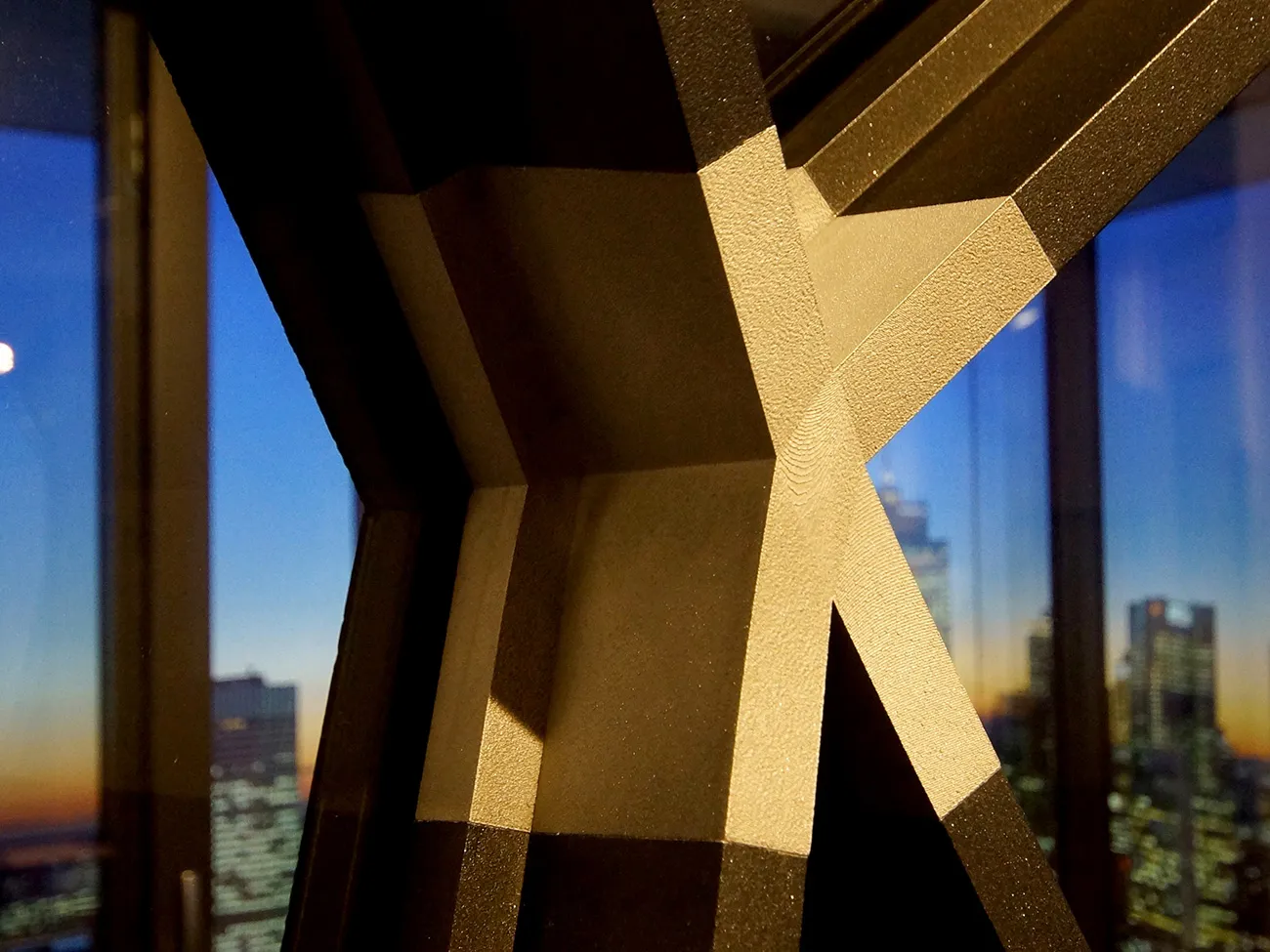
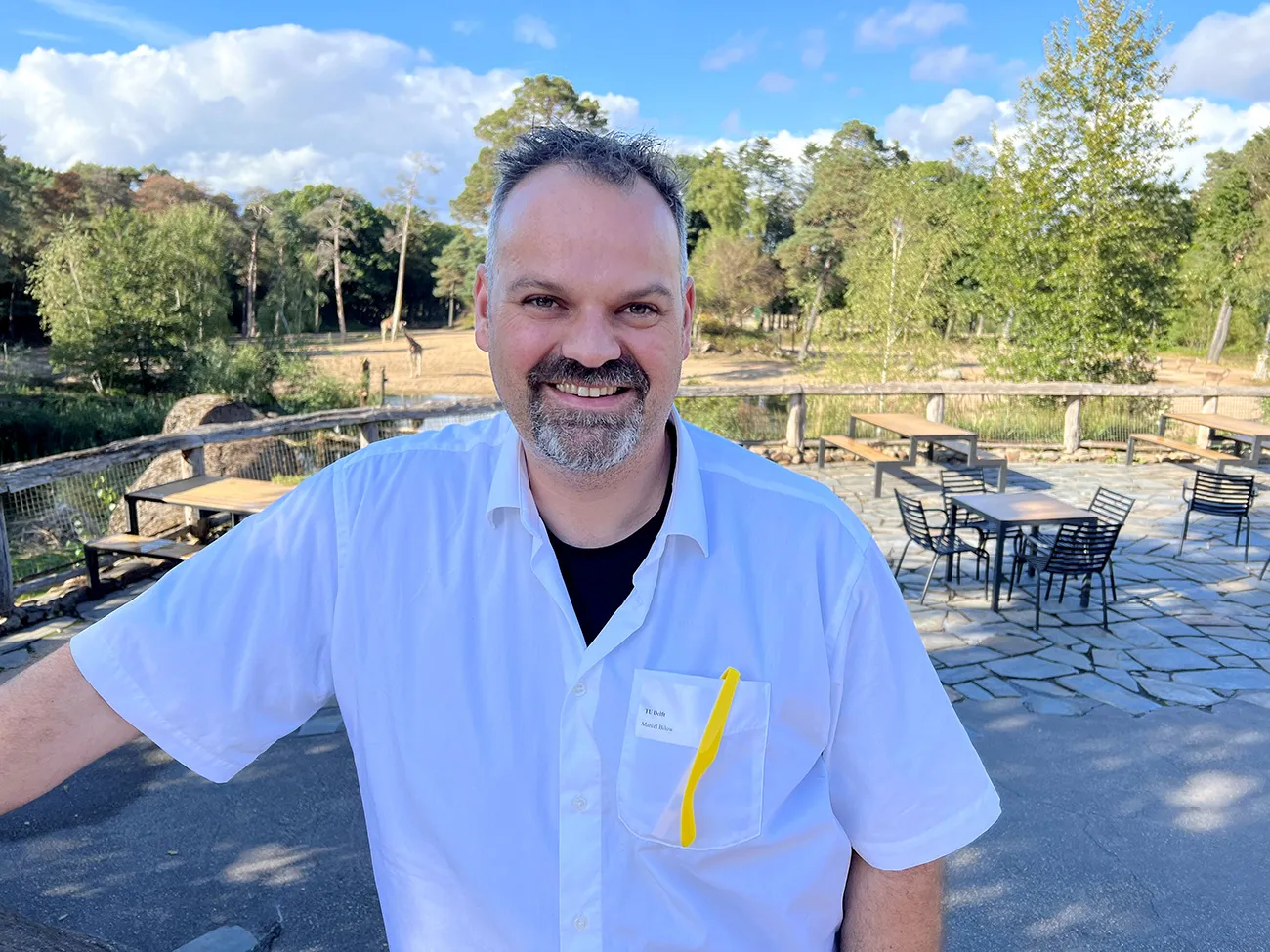
Marcel Bilow of TU Delft outlined the façade-related research and projects being undertaken by research teams. Working with a European research network focused on façades, they are exploring circular building products, materials and manufacturing techniques, façade renovation and refurbishment, and multifunctional façades. Over time, façades have evolved from solid walls to façades with a range of added functions (Façade Roadmap), such as heating, cooling, insulation and heat storage.
3D printing
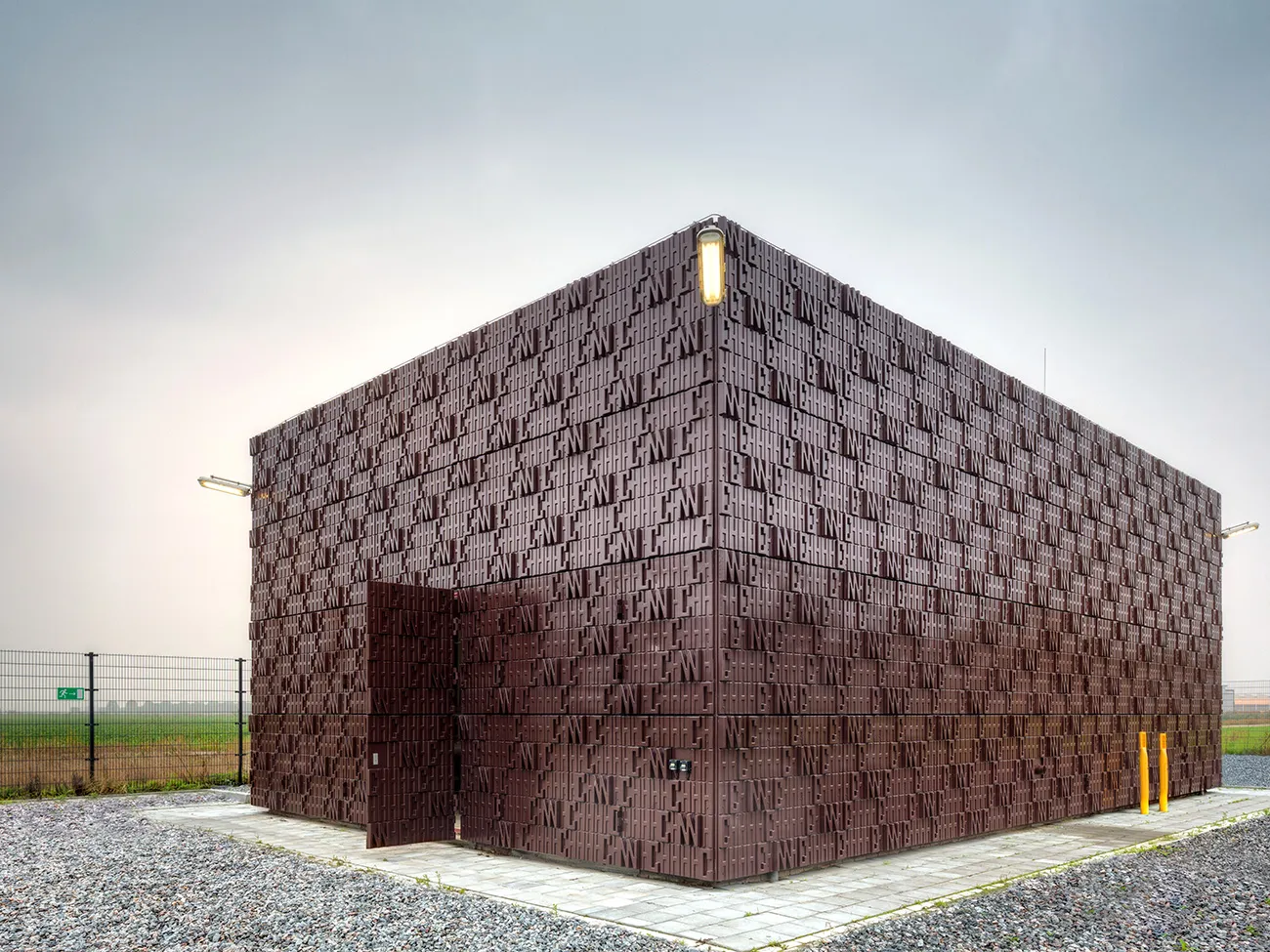
3D printing can offer a solution for curves and unusual shapes in façades.
TU Delft believes that 3D printing entire buildings is not a sensible approach, but there are certainly applications that offer a win-win. For example, it can be used to incorporate channels and pipes that would not be possible with a drill, milling machine or other techniques. Different materials are being tested, but this work is still at an early stage. Development began 10 years ago on curtain wall nodes that need neither sealant nor separate mitred sections for connection. 3D printing allows them to connect straight to a standard extrusion. These nodes are being designed and used increasingly often, and falling prices are making them more attractive. The first elements are now being installed in buildings. The renovation market also offers opportunities. Components that are no longer manufactured can be 3D-printed.
Bioreceptivity
Research is also exploring the potential of cardboard in architecture, particularly for the unseen layers of a façade. There is also interest in bioreceptivity: creating surfaces that green naturally by encouraging moss growth. Examples include green roof tiles and walls that support biodiversity, capture water and use evaporative cooling to protect cities from heat.
Circularity
Many research projects focus on circularity. Some involve reused profiles and construction under normal conditions. The entire digital design process is also important, as it provides an accurate picture of the building’s eventual environmental performance. Circularity is not just about reuse, but also about producing materials that can be identified later and taken apart by the next generation. The façade industry is pursuing many opportunities in this area, including in collaboration with TU Delft. See also the Circular Built Environment HUB on the TU Delft website. This collaboration with industry is important to the university, as it provides a reality check.
Bio-based
Ingrid Weegels of HZ University of Applied Sciences challenged the audience to pass around bio-based materials and guess what they were. Bio-based materials and products are made from renewable raw materials derived from living organisms. These raw materials often come from horticulture, agriculture or forestry. Bio-based raw materials have a short renewal cycle and can capture CO2 from the air through photosynthesis.
Knowledge bank
HZ University of Applied Sciences and Avans University of Applied Sciences in Breda work together through the Centre of Expertise Biobased Economy on research into areas including bio-based construction. They collect, develop and valorise knowledge, and share it on the use of bio-based materials in construction and civil engineering. Information on products and projects is stored in a knowledge bank on the biobasedbouwen.nl website. It includes materials that are either made up of at least 90% bio-based raw materials or consist of recycled materials of natural origin, such as cotton. Bio-based composites, also known as biocomposites, are included too: their fibres are of natural origin and their resins are at least 60% bio-based. The website allows users to filter by façade materials, for example, and find information on material properties, such as acoustic or thermal performance, where available.
Applications
Various examples of bio-based materials were presented through their use in completed buildings, including a biocomposite façade. This material can be used to create lightweight, strong, stiff and free-form structures. One example of a hemp-lime building is Marks & Spencer’s largest store in Europe, which was built using prefabricated steel and timber frame construction with hemp-lime. Hemp-lime can be used to create moisture-regulating, vapour-open façades. Flax and hemp insulation are already widely used in Belgium, France and Germany. The first straw house in the Netherlands dates back to 1942, and straw continues to attract interest as an insulation and building material.
Research
Many tests are also being carried out on new materials, including mycelium. This material is based on the substrate on which mushrooms have grown, which contains their spores. By transferring these spores to another substrate, the material can be used as insulation in various building applications. One example is interior partitions, as mycelium has good sound-absorbing properties. Research projects go beyond the use of bio-based materials. They also explore how people experience certain bio-based materials in buildings and measure their hygrothermal (moisture-regulating) properties. At the end of the presentation, the materials that had been passed around the room were revealed. Many people were introduced to Metisse, made from recycled cotton such as old jeans, and cellulose, made from shredded paper.
Question about this story? Ask your question
Keep following this
Get an email when a new story is published. No account needed.
- SubjectVMRG







