








“Working towards a Multi-year Maintenance Plan with as much automation as possible”
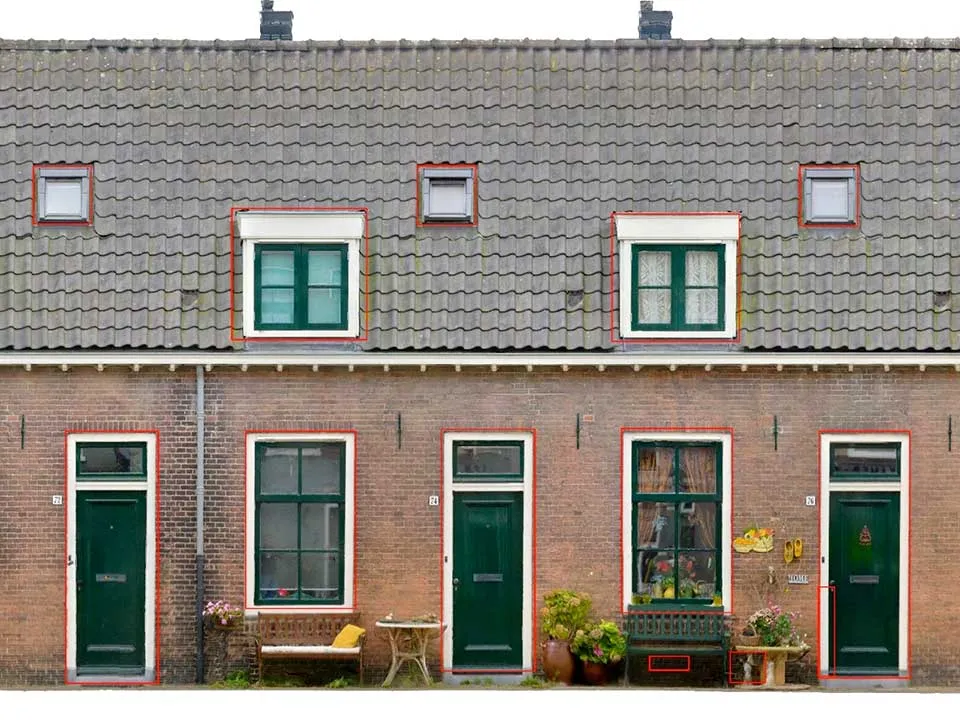
Since June 2020, 5,500 homes belonging to Betuwe-based housing association KleurrijkWonen have been surveyed, or, more accurately, documented in images.
This is a baseline survey. The housing association is using it to lay the foundations for a Multi-year Maintenance Plan.
“Working with our chain partner NijhuisWolters, we are documenting all building elements and defects in an innovative way,” says John van der Linden, project leader/director for existing buildings at KleurrijkWonen. “The housing association wants a process that is as automated as possible for drawing up a Multi-year Maintenance Plan. KleurrijkWonen wants to have the baseline properly recorded in images. These do not change and can always be retrieved. In addition, almost all possible defects are identified, giving us a better understanding of the Multi-year Maintenance Budget. This is new for residents and neighbours, and raises questions, but with good guidance and the right information being shared, residents are increasingly understanding why we
are doing this.”
Facade Service Application
This challenge fits perfectly within the FaSA (Facade Service Application) project. FaSA uses the NEN2767 standard to objectively measure the technical and aesthetic performance of the building envelope. Sensors, drones and artificial intelligence are used for this purpose. The measurements are automatically collated and analysed, and inform strategic decision-making on facade maintenance. The application not only maps the current condition of buildings, but also uses smart algorithms to predict future maintenance needs. The housing associations involved in developing FaSA see the application as a way to make homes more affordable through lower maintenance costs. The facade industry also believes this technology will make it possible to determine property values more accurately over the longer term. This is important for reusing products and raw materials in a circular economy. FaSA is being developed over a three-year period. The project was initiated by Octo, Aeroscan and VMRG.
Orthophotos
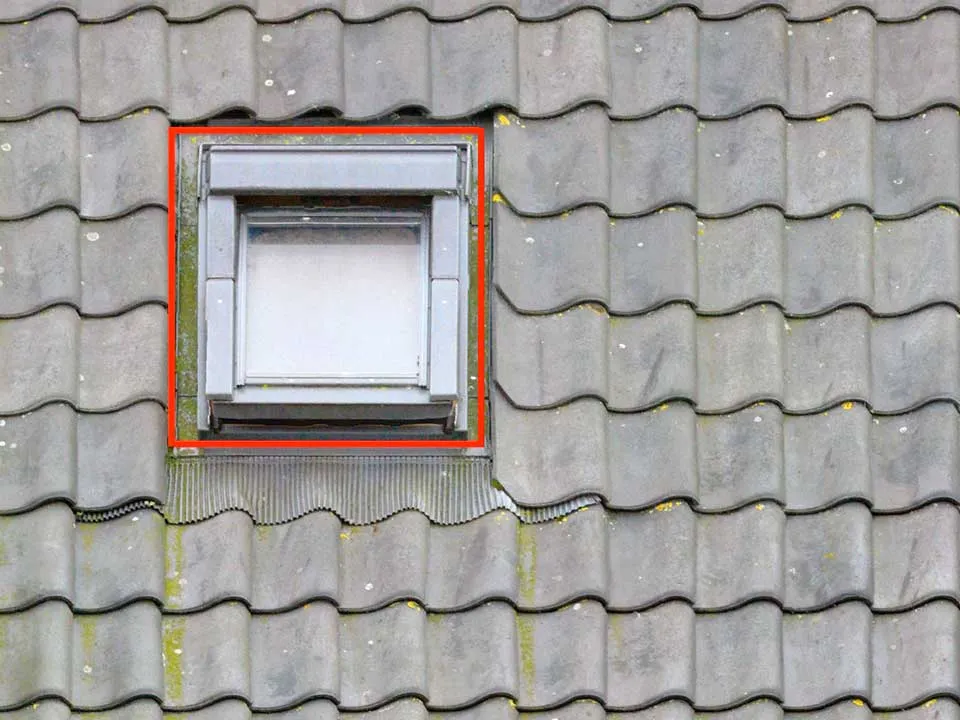
Octo and Aeroscan have been working together on this project for KleurrijkWonen since June 2020, with work due to finish at the end of this year. Stefan Quak, commercial director at Aeroscan, says: “Drone flights were used to photograph all these homes. All residents were fully informed in advance, particularly that no privacy-sensitive information would be stored. This information is made invisible, or ‘blurred’. Drone photography produces detailed orthophotos. These are composite images showing an entire facade in 2D. They can be zoomed in far enough to show all the elements and defects.”
Artificial intelligence
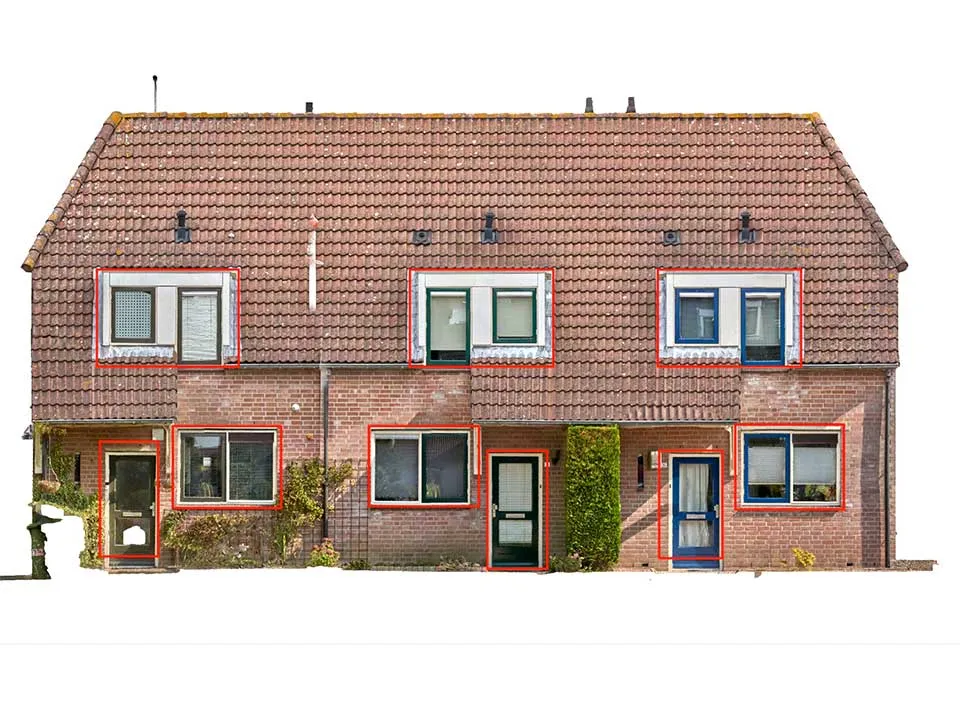
Octo then processes these images using artificial intelligence. Four models are applied to the images from AeroScan:
1. Material segmentation: each pixel is classified according to the material shown.
2. Object detection: an object is constructed from a cluster of pixels showing the same material, such as a window frame, downpipe or chimney. These objects can then be measured.
3. Frame Skeleton: this model calculates the linear metres of painting required for window frames. It recognises not only the length and width of a frame, but also its mullions and transoms.
4. Damaged paintwork: each window-frame pixel is assessed to determine whether the paint is peeling.
Less prone to error
Dirk Huibers, CEO of Octo, says: “We train the image recognition system using a huge volume of data. A model does not always provide the right information for every material, object or defect. This may mean using different images, or using more or different data. Various pilot projects are exploring how certain information can be extracted automatically from images. It is a huge challenge, but we are making progress. We have learned a great deal about the volume of images, and the level of accuracy and completeness required to carry out analyses automatically. We can now confidently say that a good digital property inspection
is more efficient and less prone to error than an in-person inspection.”
FaSA is being developed in part with support from Kansen voor West II, EFRO subsidy.
Question about this story? Ask your question
Keep following this
Get an email when a new story is published. No account needed.
- SubjectVMRG







