Bespoke Tibelly awning fabric by Hylas BV
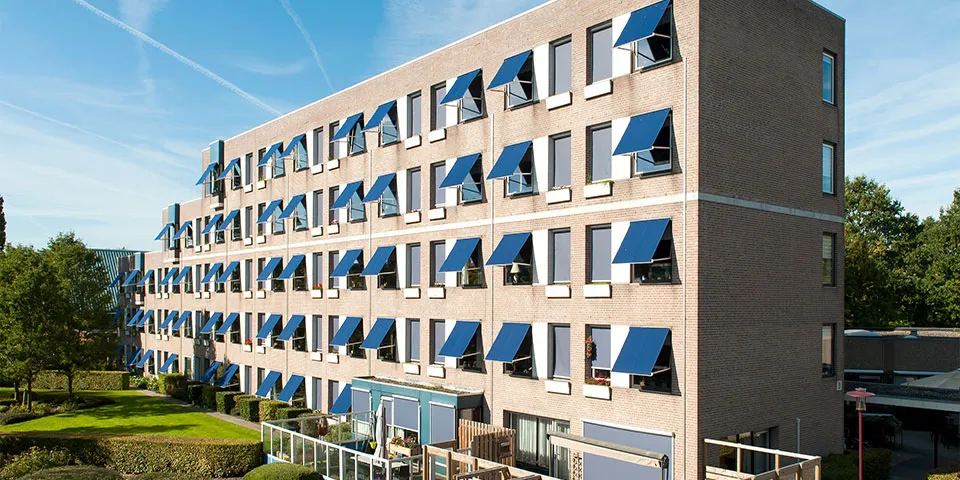
In a country like the Netherlands, with its changeable climate, we are known for our love of the sun. So as soon as the first rays appear, we throw open the doors and windows and enjoy the outdoors. But there are drawbacks too: annoying glare, unwanted views into our homes, and fading or health risks caused by harmful UV radiation. Aluminium Verkoop Zuid developed its own fabric collection especially for the Dutch market: Tibelly. It is made up by Hylas, a specialist in making up textiles for the solar shading industry for more than 40 years.
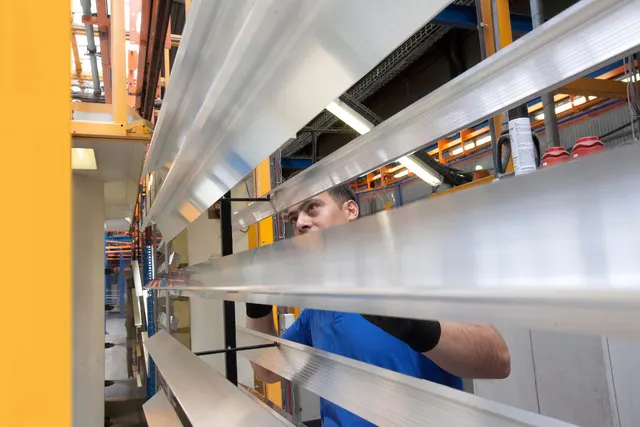
Tibelly awning fabric plays a major role in protecting against harmful UV radiation. It can also reduce energy bills and add character to a home. “Seeking shade is certainly no luxury,” says Simone Leenhouwers, who is responsible for sales at Hylas BV. Backed by an extensive range of machinery, the company can supply awning fabrics in any required size. “We supply made-up acrylic fabric and made-up screen fabric to manufacturers, commercial solar shading companies, assemblers and online shops. Every process is subject to stringent requirements, because that is the way to achieve true quality.”
Solar shading makes a statement
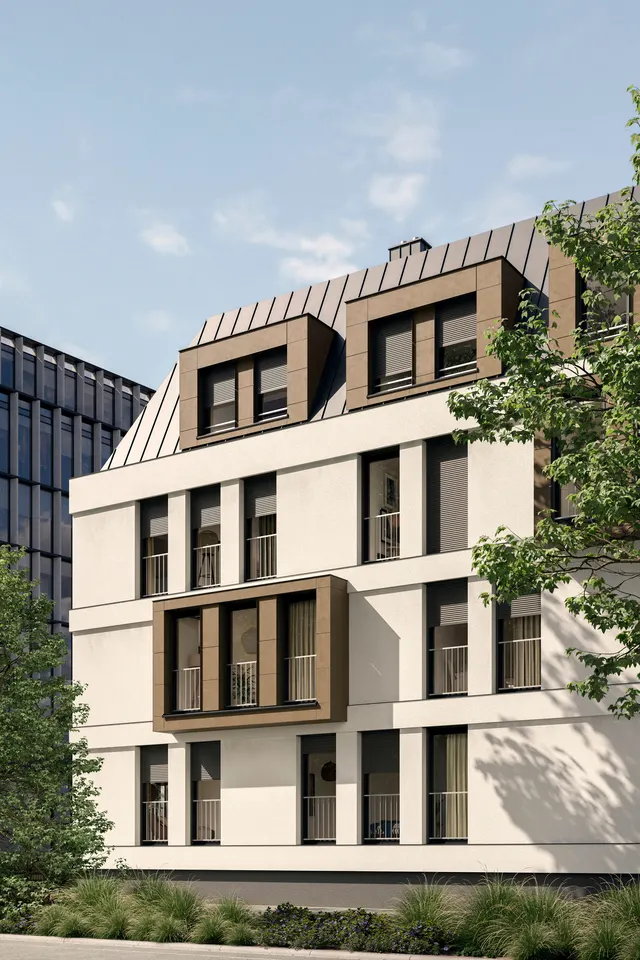
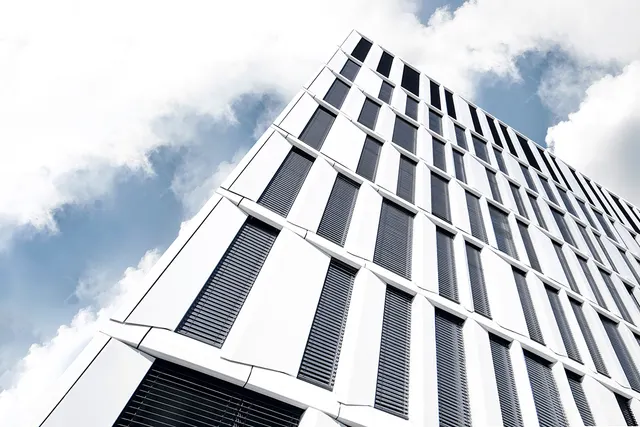
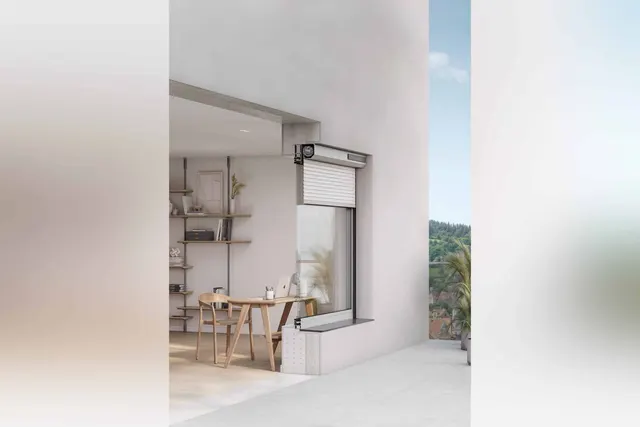
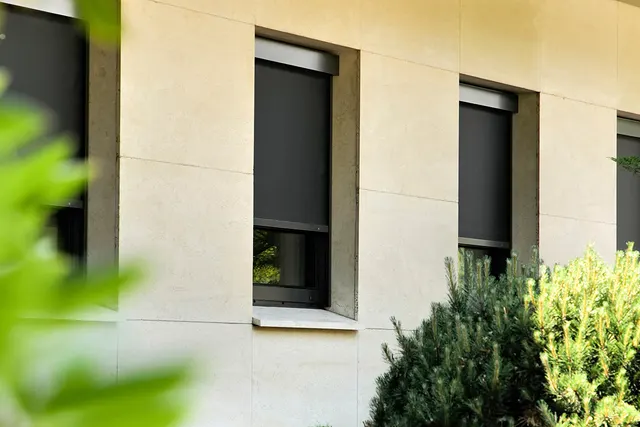
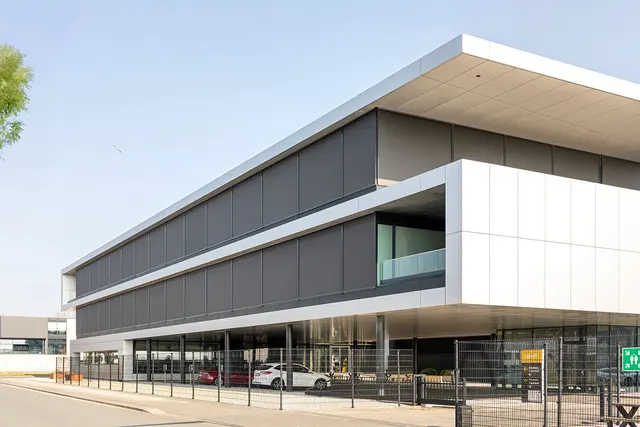
“The traditional functions of solar shading are, of course, to provide cooling and protection,” Leenhouwers continues. “But contemporary solar shading is so much more! It is an element that defines a building’s character.” When extended, solar shading quickly draws the eye to a building. That is why it is important to choose this eye-catching feature with care. The Tibelly collection was developed especially for the Dutch market and works in any setting: a compact yet comprehensive collection of colours and designs to suit every requirement. “Tibelly offers 127 different high-quality designs,” Leenhouwers continues. “There is always a fabric to match the look of the building, whether stylish and understated or fresh and playful. There are many combinations to choose from.” Leenhouwers notes, however, that solar shading is sometimes overlooked in new-build projects. “The way we build in the Netherlands has changed. There is an increasing focus on good insulation, but solar shading is not routinely included in the design process. That means opportunities are being missed,” Leenhouwers believes. “The earlier solar shading is chosen in the design process, the more seamlessly it can be incorporated into the building. This is particularly true compared with retrofitting. It enhances the building’s aesthetics.”
Savings
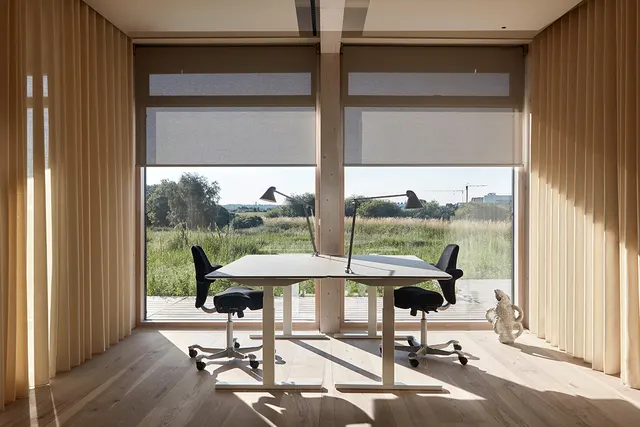
Solar shading can also play an important role in effective climate control, particularly in new buildings that need to be energy-neutral. “It is important to keep the heat out with awnings or screens, so the air conditioning or fan can run at a lower setting in summer, reducing energy bills. Not everyone knows that automatically operated external solar shading fitted with Tibelly awning fabric can reduce the amount of heat entering a building by as much as 70%!” Solar shading also provides extra insulation in winter, resulting in lower costs and a more comfortable, healthier indoor climate. The weave of screen fabrics also determines how much light passes through and how effectively annoying glare is blocked. “That is why Sergé and Ecole1% screen fabrics are particularly popular in offices, schools and hospitals.”
Protection
“We sell shade,” says Leenhouwers. “And with Tibelly, we put shade in a whole new light.” External solar shading protects materials and skin from harmful UV radiation. For every metre of Tibelly acrylic fabric sold, € 0.05 is automatically donated to KWF Kankerbestrijding, specifically for skin cancer research. “Every little helps,” says Leenhouwers, concluding: “So far, € 188.629,, has been raised, and we are very proud of that!”
Question about this story? Ask your question
Keep following this
Get an email when a new story is published. No account needed.
- ThemeAn energy-efficient and comfortable building envelope
- SubjectSolar shading