Curious about the energy-saving potential of solar shading?
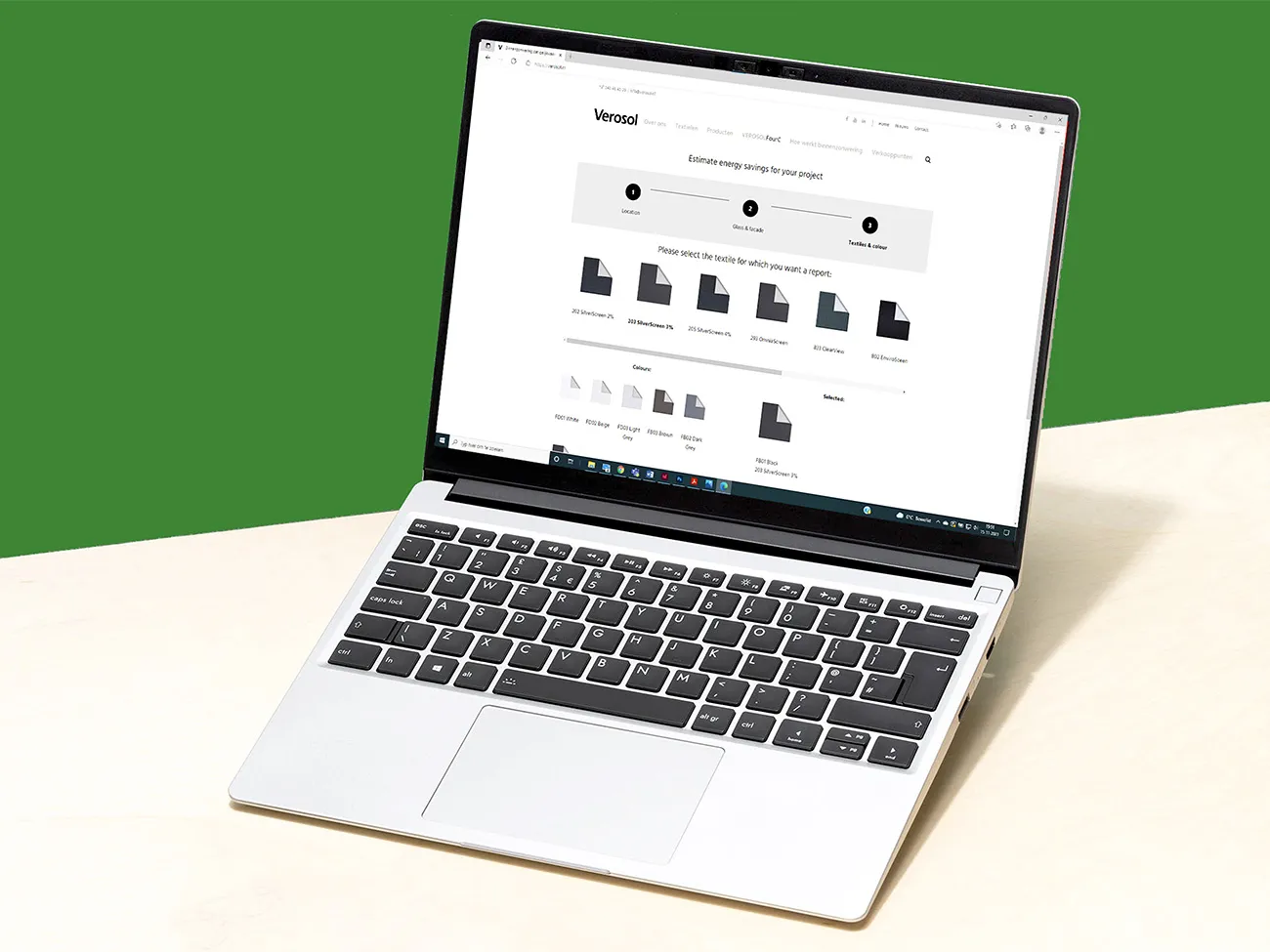
Choosing from the huge variety of solar shading products is not always easy. Choosing the right one is even harder. Sustainability is also playing an increasingly important role, for consumers, businesses and public authorities alike. Verosol, an expert in internal solar shading and a leading name in metallised textiles, offers a huge range of screens that provide solar control, insulation and a sense of atmosphere. To make it easier to choose from this range, based on what matters in a project and the specified requirements, Verosol has developed a Savings Indicator.
“The climate is changing, and so are the requirements and preferences for solar shading, so we are innovating too,” says product manager Evert Bos. “As well as our extensive range of high-quality products, developed and manufactured in-house, we are also a reliable partner and adviser to our customers.”
Savings Indicator
“In a world where sustainability is becoming increasingly important, it is useful to gain insight at the design stage into the energy savings that can be achieved by using specific solar shading. This is particularly relevant because our metallised internal solar shading can be included in the BENG calculation,” says Bos. “With our new tool, the Savings Indicator, architects can get an early indication of the energy-saving potential of the Verosol solar shading they are considering.” The Savings Indicator is useful not only to architects, but also to façade contractors and any other parties for whom glazing choices are relevant at the early stages of a project.
Unique in the market
Lindsay Hovenier, manager of R&D and the Expert Centre at Verosol, says: “The indicator shows not only the product’s CO2 savings, but also the savings in euros.” The indicator will go live shortly and is unique in the Dutch market. European standard EN 14501:2021 provides the basis for the reference glazing in the tool. “You can enter the number of square metres of glass for each façade orientation in the indicator and immediately see the energy savings delivered by the fabric you have chosen. You can select one fabric, or two and compare them. This makes it immediately clear, for example, how a metallised fabric performs compared with a non-metallised one. You can also enter selections for several façades at once, with calculations made for each façade. This means you can effectively calculate the entire project in one go.”
Preselection
According to Evert, the ability to make a preselection at such an early stage is particularly valuable. “A performance calculation will of course need to be carried out once the final choices have been made, but this really gives you the opportunity to look beyond aesthetics and cost during the design stage, and compare options in terms of heat, cooling, glare control, comfort and energy savings.” The investment in Verosol metallised fabric quickly pays for itself through the energy savings it delivers. The Savings Indicator provides insight into the potential savings. This makes Verosol’s tool a valuable response to the market’s drive for greater sustainability.
Making processes and products more sustainable
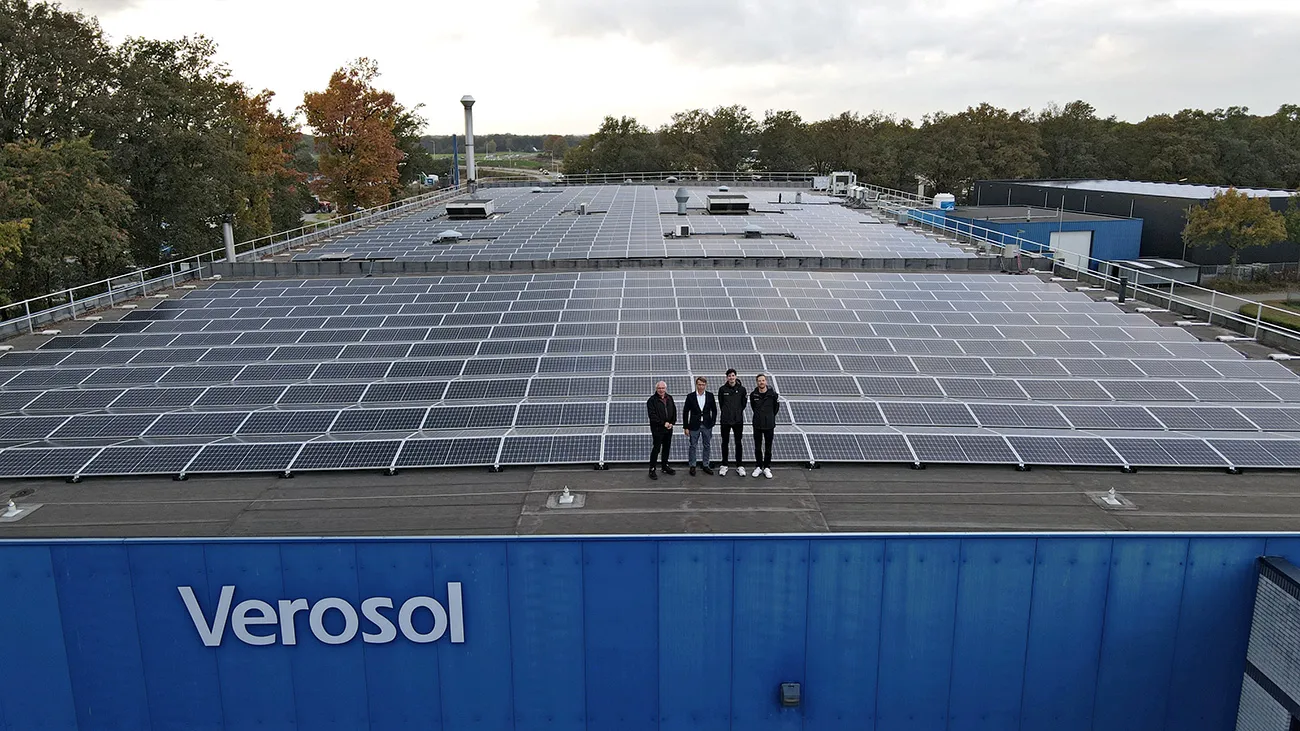
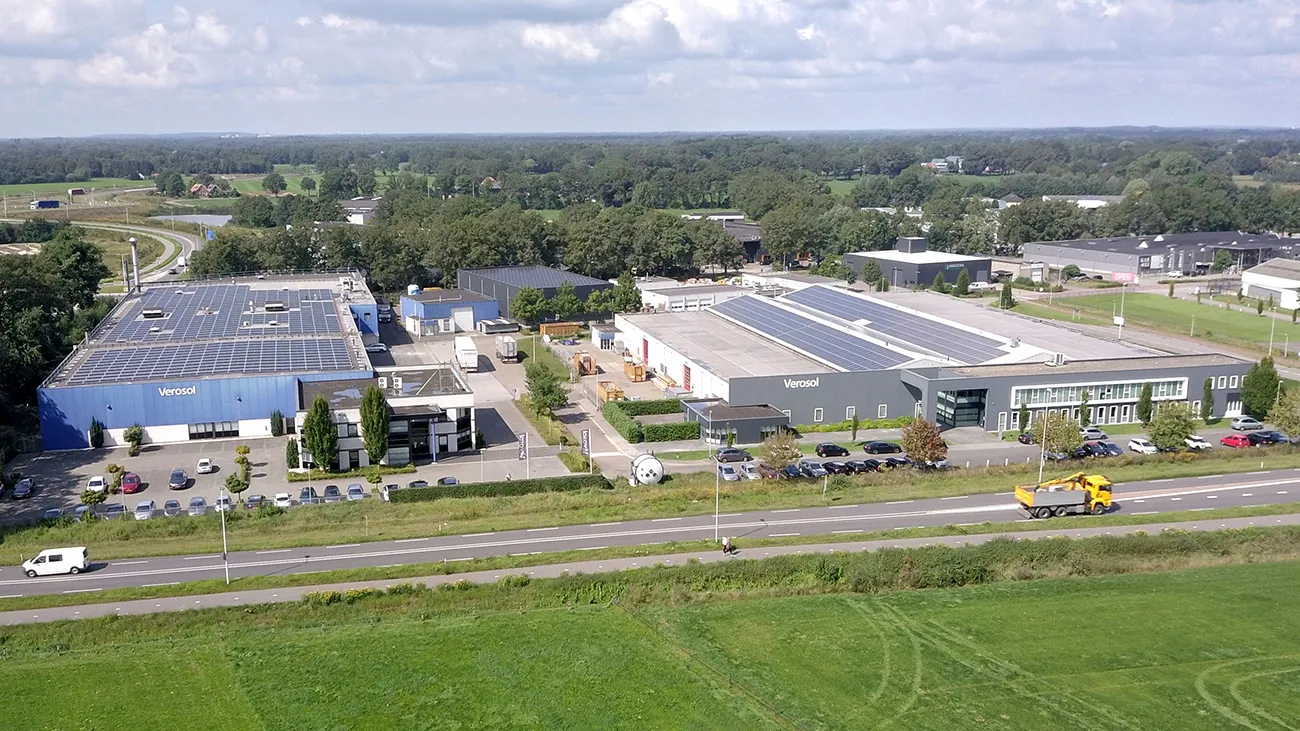
“At Verosol, we are working to improve sustainability in all kinds of ways,” says Evert. Verosol is making great strides in improving the sustainability of its entire production chain and its products. “For example, we have insulated the roof of our factory and installed more than 2,200 solar panels, enough to make us self-sufficient.” Lindsay adds: “We make maximum use of our machinery and supply wider rolls. This not only meets the demand for ever wider windows and glazed façades, it also significantly reduces cutting waste. But we are going a step further still…”
Suremade
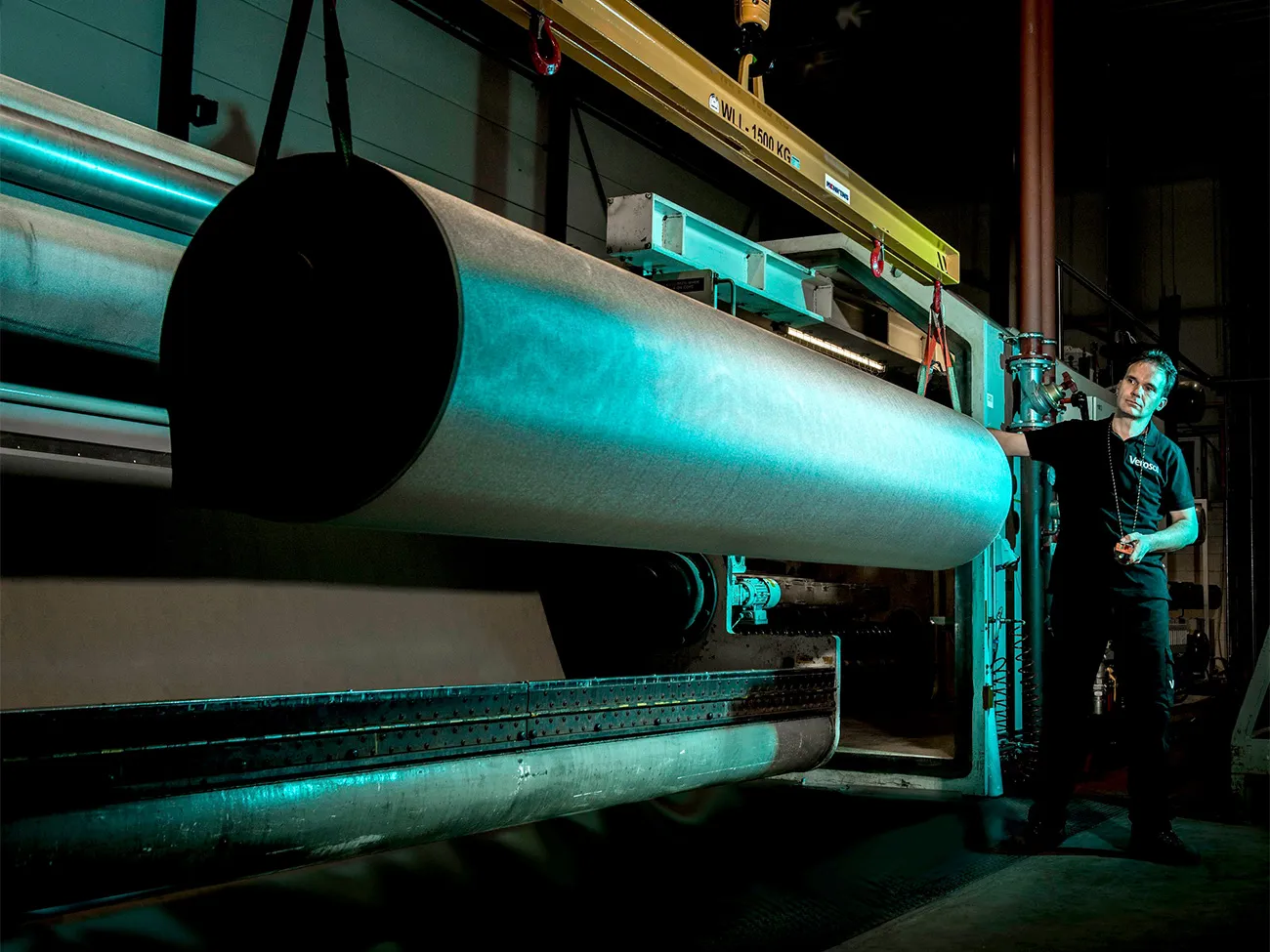
Lindsay explains that Verosol is working with various project partners on the Suremade project to investigate how to make its metallised screen fabric more sustainable. “Our polyester fabrics are already recyclable at the end of their service life, but with this project we are exploring whether recycled material can be used to produce our fabrics.” Lindsay notes that recycled yarns have so far fallen short in terms of performance. “We are known for our high-performance metallised screens and do not want to compromise on the performance of our fabrics. That is why we are working hard to find ways to improve recycled yarns, so we can guarantee not only superior quality and performance, but also supply even more sustainable fabrics.”
More information about the Savings Indicator is available on the Verosol website.
Question about this story? Ask your question
Keep following this
Get an email when a new story is published. No account needed.
- ThemeAn energy-efficient and comfortable building envelope
- SubjectSolar shading