From double to triple glazing through the use of internal blinds
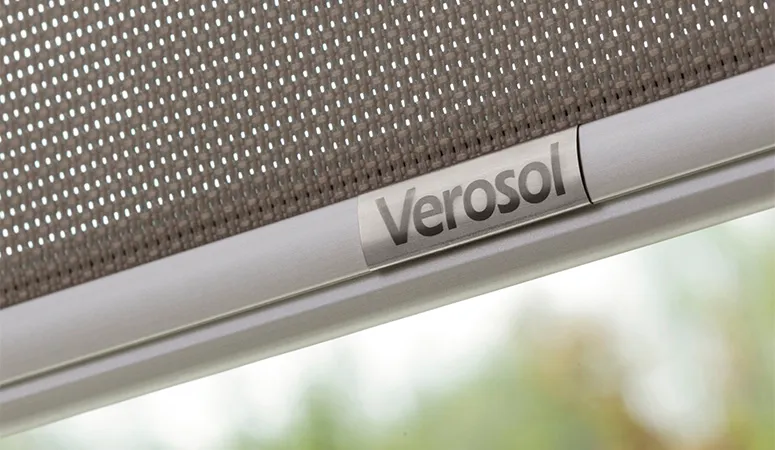
During the winter months, blinds can be used much more intensively at home and in the office.
So says Evert Bos, product manager at Verosol. “Our internal blinds create a layer of air between the blind and the window. Still air has an insulating effect. Verosol fabric also emits very little heat.”
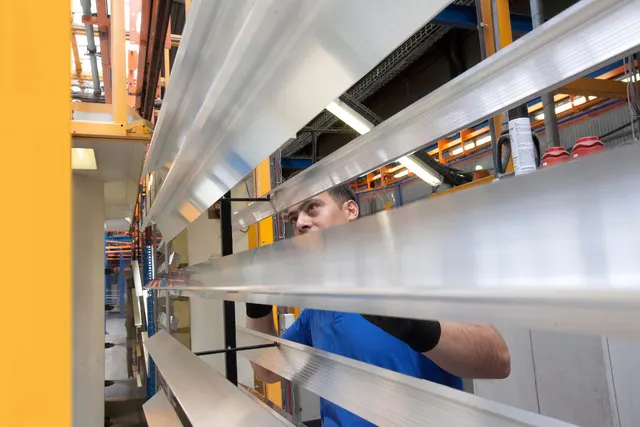
The metallised SilverScreen fabric. The aluminium coating is clearly visible.
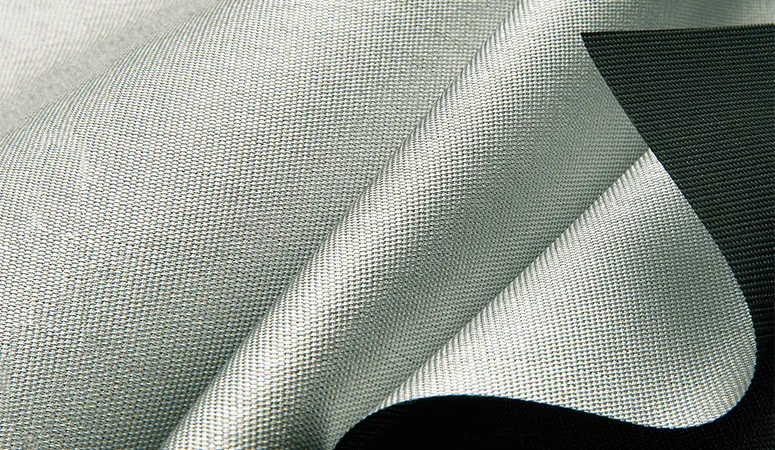
Verosol has been working with metallised textiles since 1963. Textiles are adapted for use in blinds at the company’s headquarters in Eibergen, in the province of Gelderland. The blinds are also made to measure there, not only for the Dutch market but also for the UK and Belgium. Verosol’s second assembly plant is in Australia. “We also have a small office in Madrid.” Semi-finished and finished products, such as roller blinds and pleated blinds, are supplied from these locations to more than fifty countries.
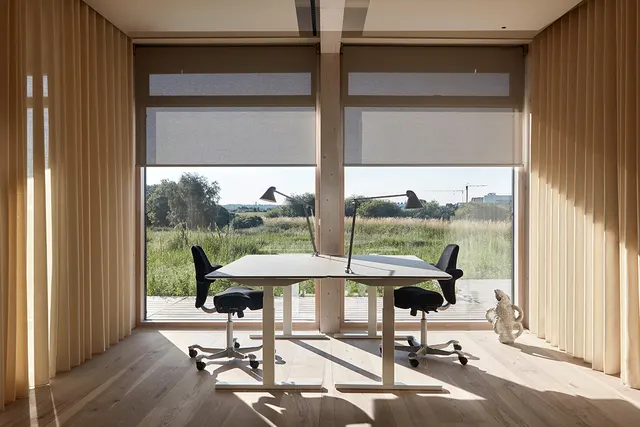
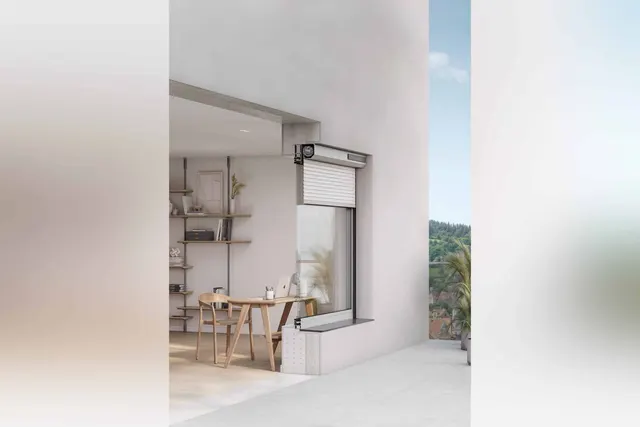
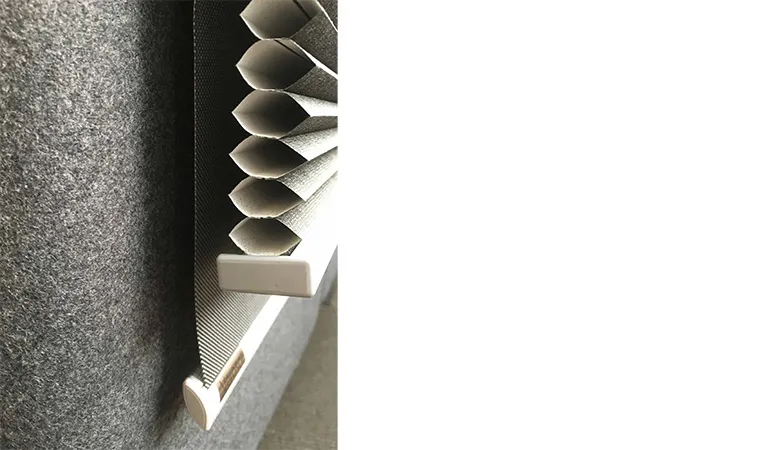
A detail of the 2-in-1 combination product installed in the show home in Heerhugowaard.
Not everyone is aware of the energy savings that can be achieved by using blinds. Bos stresses that blinds deliver the greatest benefit when operated automatically. “On a sunny day, the blind is lowered so that the reflective aluminium layer keeps the heat out. On a cold night, the blind is also lowered so that the aluminium layer provides insulation.”
Matching triple glazing
At the request of trade association Romazo, TNO investigated the energy savings achieved through the use of blinds. The study found that in a modern home, Verosol blinds can reduce heating costs by 10 to 15 per cent in winter. “It takes a bit of a change in mindset. At this time of year, not everyone thinks to lower the blinds for insulation once the sun has gone down.” Like glass, the blind fabrics treated by Verosol have a low-emissivity coating. If, for example, the temperature in a room is 20 degrees, the blind will reach the same temperature. Thanks to the high-performance low-emissivity coating on internal blinds, closing the blinds can match the properties of triple glazing. Bos says: “This is particularly relevant in buildings undergoing renovation.”
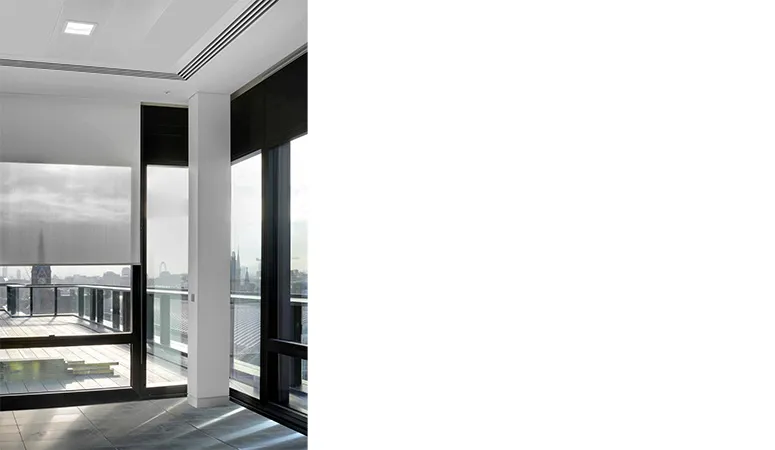
This SilverScreen roller blind adorns an apartment in the heart of London.
Energy-neutral home
A low U-value indicates low heat loss and ensures good insulation. In a home with double glazing, the U-value is around 2.9 W/m2K. When glass has a low-emissivity coating, that value falls to 1.2. “This has a very positive effect on a building’s insulation. Add Verosol’s internal blinds and the U-value falls to 0.8.” Over the past year, Verosol has contributed to the NeroZero project, a modern test home that is almost energy neutral. The home in Heerhugowaard was completed in September. “The house does not have triple glazing, but double glazing combined with our 2-in-1 internal blind system. The roller blind has a low-emissivity coating. The honeycomb pleated blind provides additional insulation through the layer of still air. TNO will measure and publish the results over the coming period.”
Text: Carline Klijn-van Best Images: Verosol
Featured image: Bottom profile with Verosol internal blind, EnviroScreen fabric type. (Image: Joost Benders)
Question about this story? Ask your question
Keep following this
Get an email when a new story is published. No account needed.
- ThemeAn energy-efficient and comfortable building envelope
- SubjectSolar shading