Making ‘nearly zero-energy’ easier with solar shading
Text and images Solaye Fabrics
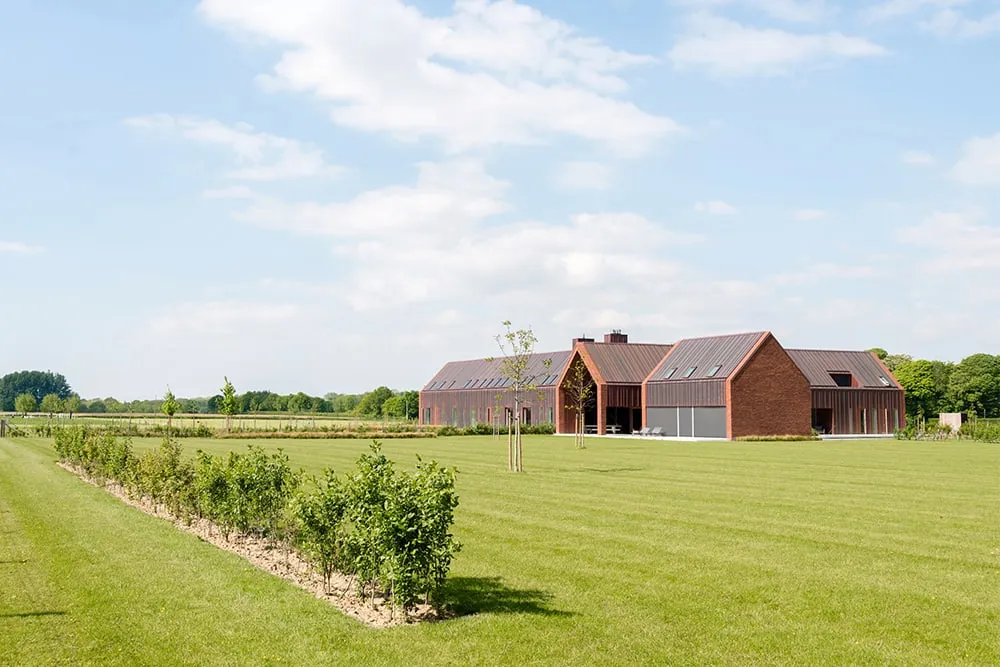
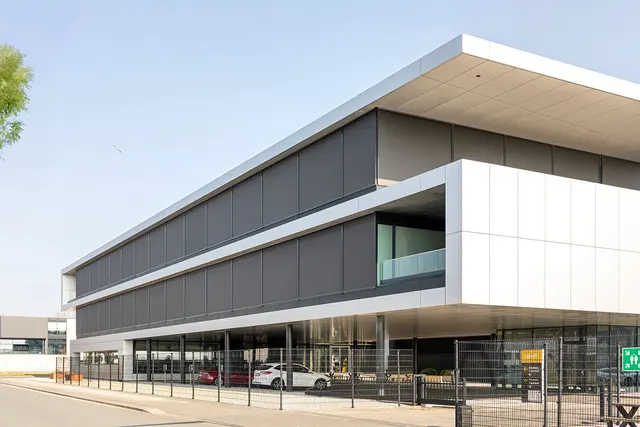
External solar shading is an established feature of sustainable construction. And thanks to the development of new high-performance fabrics, internal solar shading is also improving buildings’ energy efficiency.
New building and renovation regulations keep coming into force, and energy-efficiency requirements are becoming ever stricter. “Alongside good insulation and renewable energy, solar shading also makes a significant difference,” says Stephan Martens of Solaye Fabrics. “Solar shading has become much more efficient in recent years and can significantly improve your home’s EPC rating, whether you are building a new home or renovating. Solar shading makes it much easier to achieve ‘nearly zero-energy building’ (BEN).”

Surface-mounted or recessed
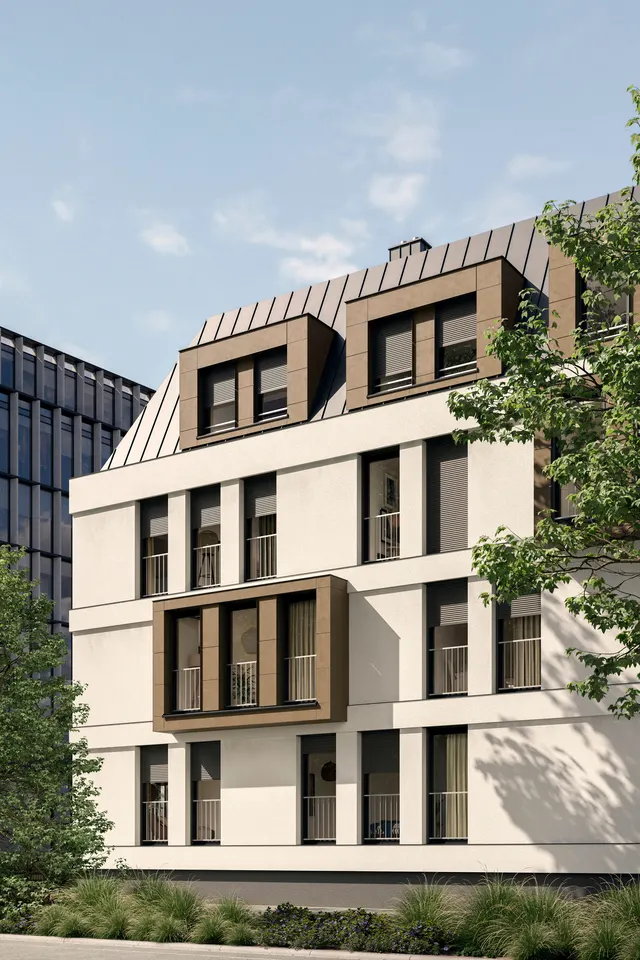
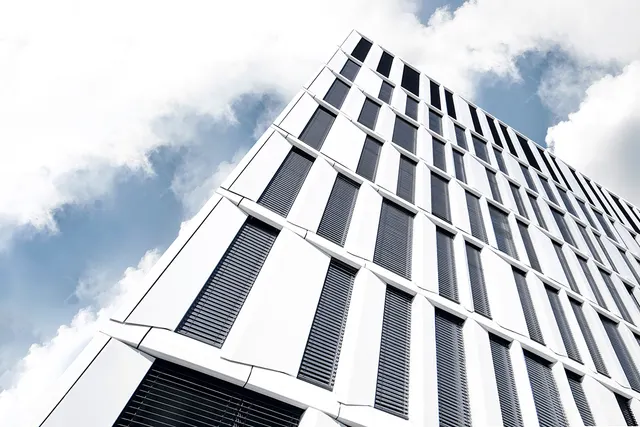
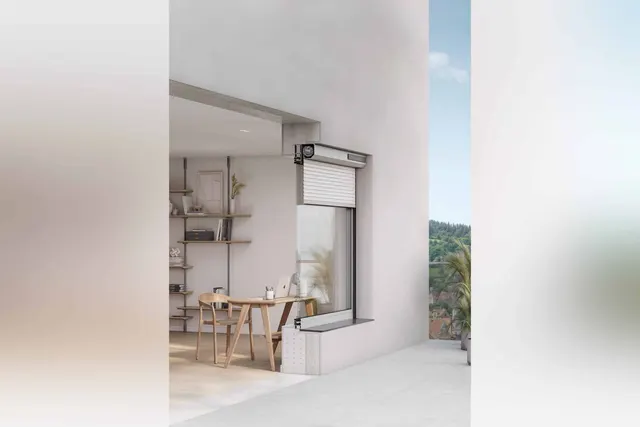
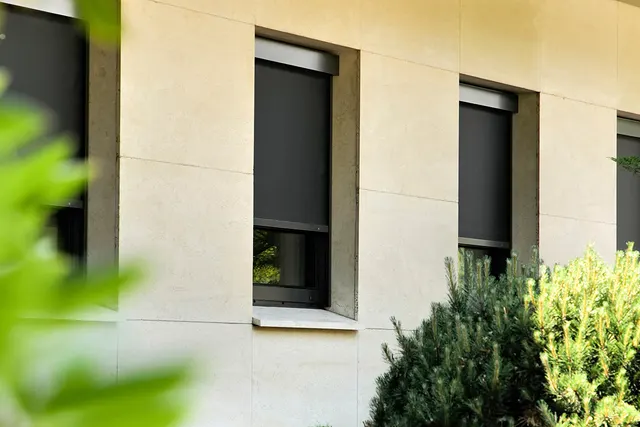
In future, fabric-based external solar shading is expected to be present in all buildings where technically and architecturally feasible. It can be installed either surface-mounted or recessed. “The latter is installed in the cavity wall,” Stephan explains. Less well known is that internal solar shading fabrics have also evolved considerably in recent years. “New, high-quality fabrics deliver significantly better energy performance. These are the fabric types Solaye Fabrics focuses on.”
Heat transmission and visual comfort
Some fabrics have an aluminised, highly reflective side that limits or even blocks sunlight and heat transmission. Stephan says: “If you are willing to compromise a little on the view outside, you can achieve even better energy performance.”
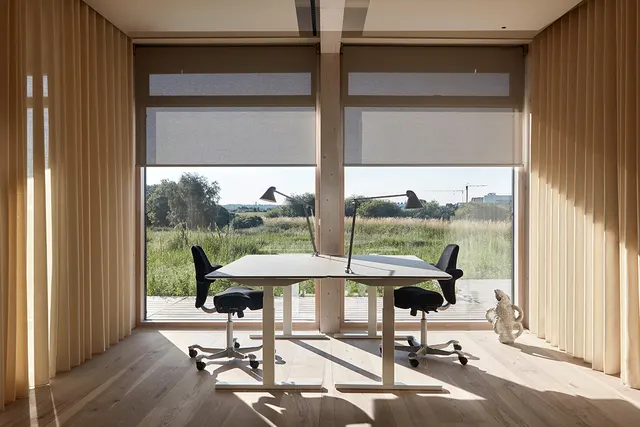
Another notable fabric is Chameleon. “It combines the heat protection of a white screen fabric with the visual comfort and outward visibility of a dark one. Ideal for settings where light control is essential, such as schools and offices.”
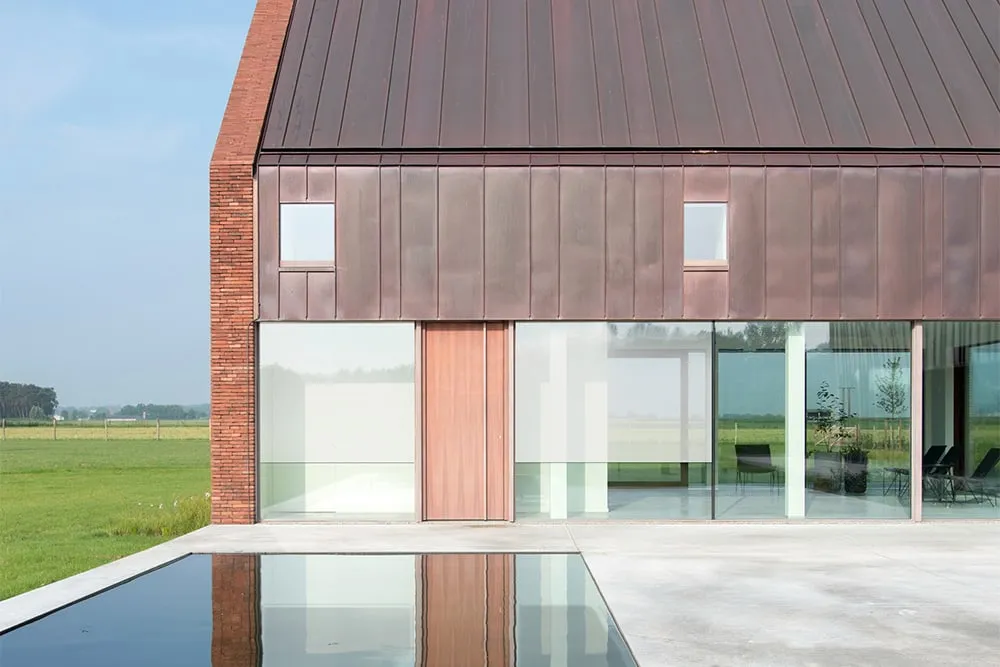
Sustainability is here to stay
Sustainability in the construction sector is often referred to using abbreviations. We have already mentioned EPC and BEN. Solaye’s fabrics can also earn you credits under BREEAM (Building Research Establishment Environmental Assessment Method). Stephan says: “That applies to both heat gain and visual comfort, because our fabrics filter out intrusive light.”
Other sustainability labels are on the horizon, including EPD (Environmental Product Declaration) and LCA, or life cycle assessment. “After the summer, we will have more concrete data available and will share it with everyone who wants to use it,” says Stephan. “The fact is that our fabrics reduce your energy consumption, prevent excess heat and improve your visual comfort, both today and tomorrow.”
Question about this story? Ask your question
Keep following this
Get an email when a new story is published. No account needed.
- ThemeAn energy-efficient and comfortable building envelope
- SubjectSolar shading