Scientific research confirms the effectiveness of internal solar shading
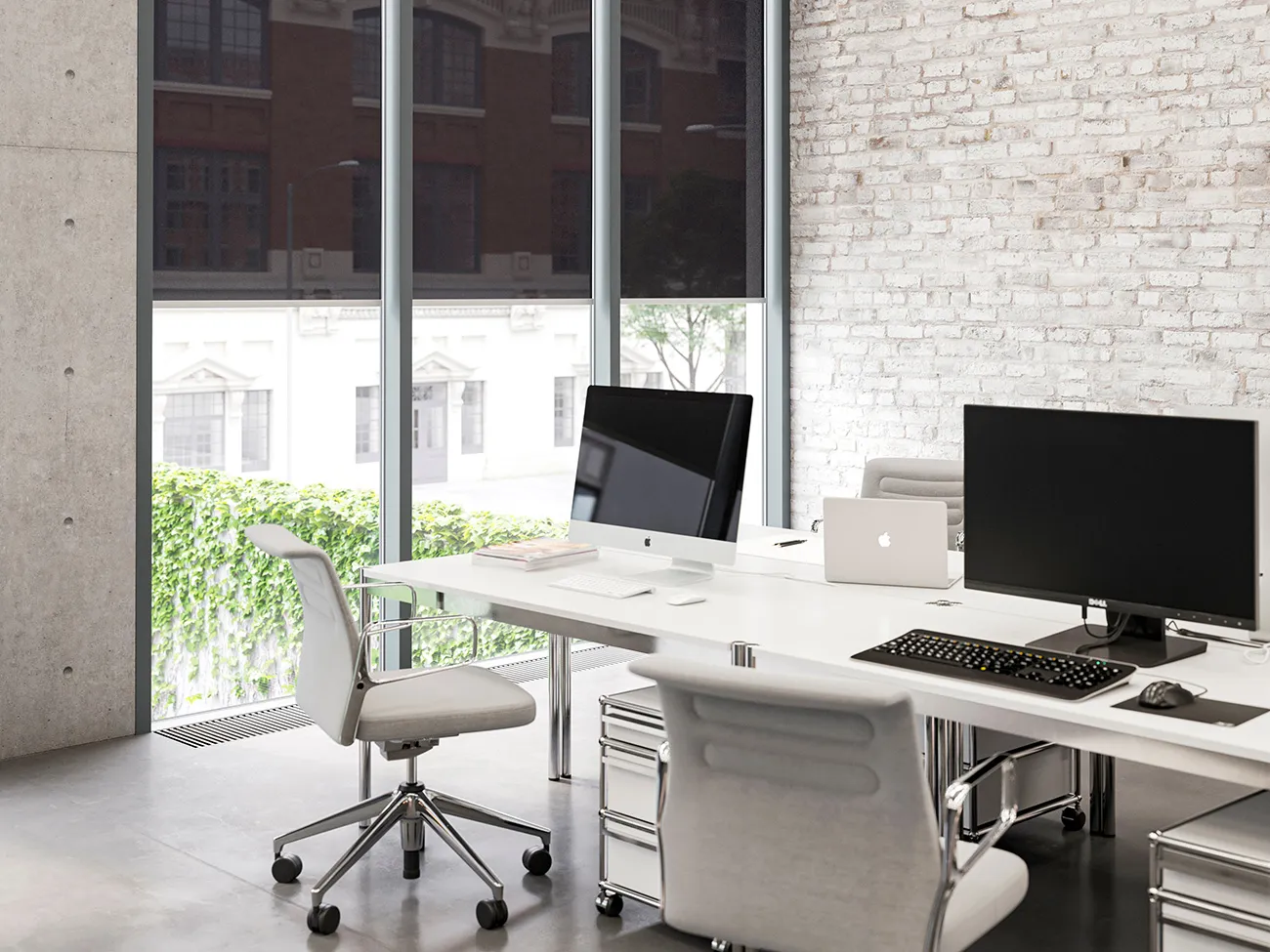
In everyday practice, external solar shading is generally considered the best and most effective option. But is that still true in 2022? The answer is short and clear: no. Several scientific studies have shown that internal solar shading with smart controls can be more effective. The latest BENG requirements also recognise the effectiveness of functional internal solar shading.
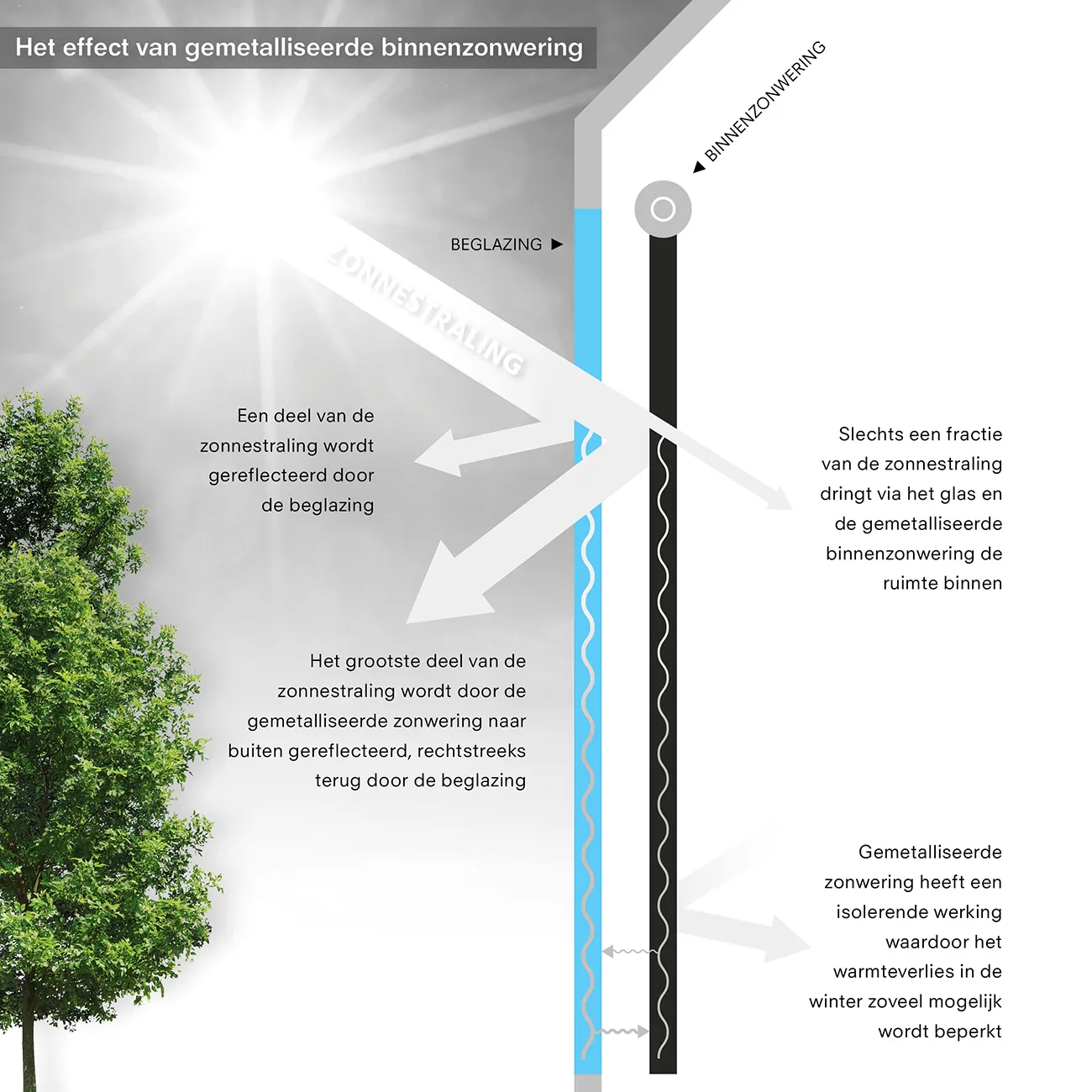
“Over the past decade, there have been huge advances in glass and internal solar shading. A carefully selected combination of the two can be just as efficient as external solar shading.” This is the statement made by Max Tilberg, CEO of EQUA Solutions AB, a Swedish company that develops software for building simulations. ESBO is considered the number 1 tool for initial performance assessments through simulations of energy use and indoor climate, particularly those based on the building envelope, or façade. ESBO can also simulate the use of dynamic solar shading, both internal and external, in accordance with established standards.
Simulation software
According to Tilberg, the most efficient solution for an optimal indoor climate is to combine highly selective, low-reflectance glass coatings with highly reflective internal solar shading. In his view, the screen should have an aluminised side that reflects more than 70% of solar radiation, more or less regardless of the colour of the room-facing side. With triple glazing, this combination of coatings and internal shading can reduce solar heat gain by more than 85%. He also notes that more than 60% of daylight is still transmitted in this case. Internal shading also provides excellent glare protection and can reduce heat loss, or the U-value, by around 10%. Its aluminium coating provides a good view out. Finally, unlike external shading, internal shading does not need to contain PVC to perform its function. Visual and thermal performance can be calculated easily using a simulation tool such as ESBO.
TU/e
The calculation model developed by Samuel de Vries, a PhD candidate at Eindhoven University of Technology, also shows that internal solar shading can be a very good alternative to external shading, provided it is incorporated into the building concept. He says this challenges the prevailing thinking in architectural engineering courses, where almost all the focus is on external shading. One of his conclusions is that there are situations in which dynamically controlled internal shading can be more effective than external shading when all factors are taken into account, including insulation values and visual comfort. Internal shading allows for better adjustment, making it possible to work with daylight throughout the day. Lindsay Hovenier of Kvadrat Verosol agrees: “In addition to external shading, glare protection is often also needed. With the right adjustment of the internal shading, one product is enough.”
BENG
Using functional internal solar shading as an alternative to external shading has nothing but benefits, particularly in commercial buildings and high-rise construction, Hovenier concludes. “The façade can often be lighter and cheaper, and you do not have to worry about maintaining the shading. Metallised internal shading combined with double glazing, rather than triple glazing, means that in winter you can harvest the sun’s energy during the day and retain the heat for longer by lowering the internal shading after sunset, so you need to use less heating. A win-win.” Under the BENG requirements, functional internal solar shading that forms an integral part of the building controls can be taken into account for both insulation and solar control. Although the NTA 8800, which underpins BENG, will soon be amended slightly, the section on solar shading will remain unchanged. “Internal solar shading is therefore not only a scientifically proven alternative to external shading, it is also recognised by legislation and regulations.”
Question about this story? Ask your question
Keep following this
Get an email when a new story is published. No account needed.
- ThemeAn energy-efficient and comfortable building envelope
- SubjectSolar shading