








A future-proof living environment is circular
Column: Circular Inspirations
In the quest for sustainability and environmental awareness, the construction sector faces a crucial challenge: the transition to a circular façade economy. This transition promises a smaller ecological footprint and more efficient use of raw materials. However, the Perpetual project, carried out last year, shows that the path to circularity is strewn with obstacles. In particular, the low level of process and circularity maturity across much of the construction industry is proving to be a barrier to the transition that is needed. A significant proportion of the construction sector is struggling with outdated processes and a traditional linear approach to building projects. The lack of circularity maturity translates into a limited understanding of the potential for reusing and recycling materials. Often, façade materials are simply discarded at the end of their life cycle and end up in landfill, wasting valuable raw materials.
A crucial factor in a successful transition to a circular façade economy is rethinking automation in construction. Traditional automation often focuses on efficiency without paying sufficient attention to sustainability. The sector needs to move towards a system in which automation is geared towards maximising the lifespan of materials and minimising waste. This requires a paradigm shift towards data sharing, with all parties in the construction chain sharing information about materials, their origins and the possibilities for reuse. This is therefore one of the challenges being addressed within the national growth fund programme Toekomstbestendige Leefomgeving.
The challenges are formidable, but there is reason for optimism. Growing awareness of the construction industry’s environmental impact is driving change. Innovative companies and pioneers in the sector are leading the way with groundbreaking circular projects. Sharing best practice, investing in research into new materials and technologies, and encouraging collaboration across the entire construction chain are crucial steps towards a circular revolution in construction. If the sector tackles these challenges with determination, the future of construction can be not only more sustainable, but also more innovative and resilient.
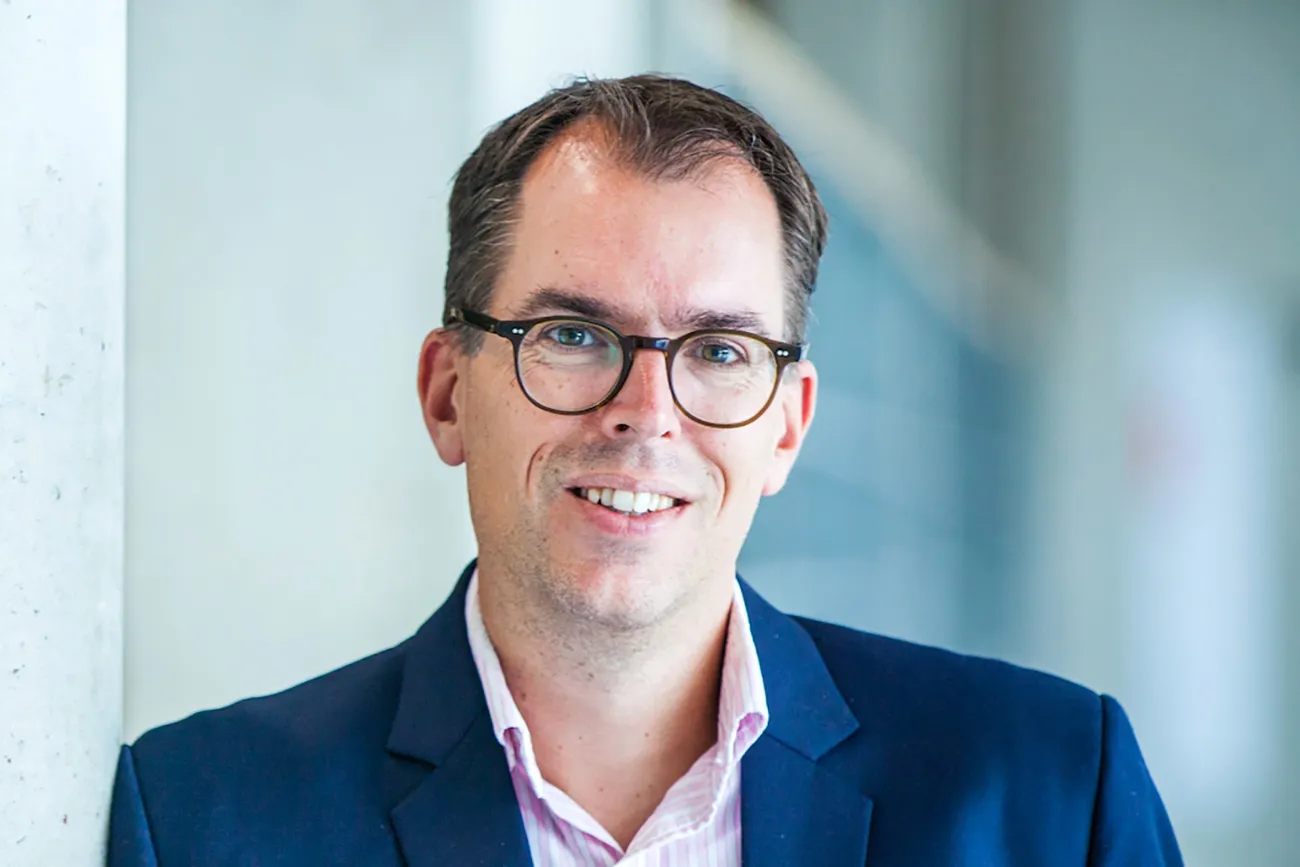
Pascal Ravesteijn
Professor of Process Innovation & Information Systems, Hogeschool Utrecht
Question about this story? Ask your question
Keep following this
Get an email when a new story is published. No account needed.
- ThemeCircular facades with lower environmental impact
- SubjectVMRG







