








Circularity is a verb
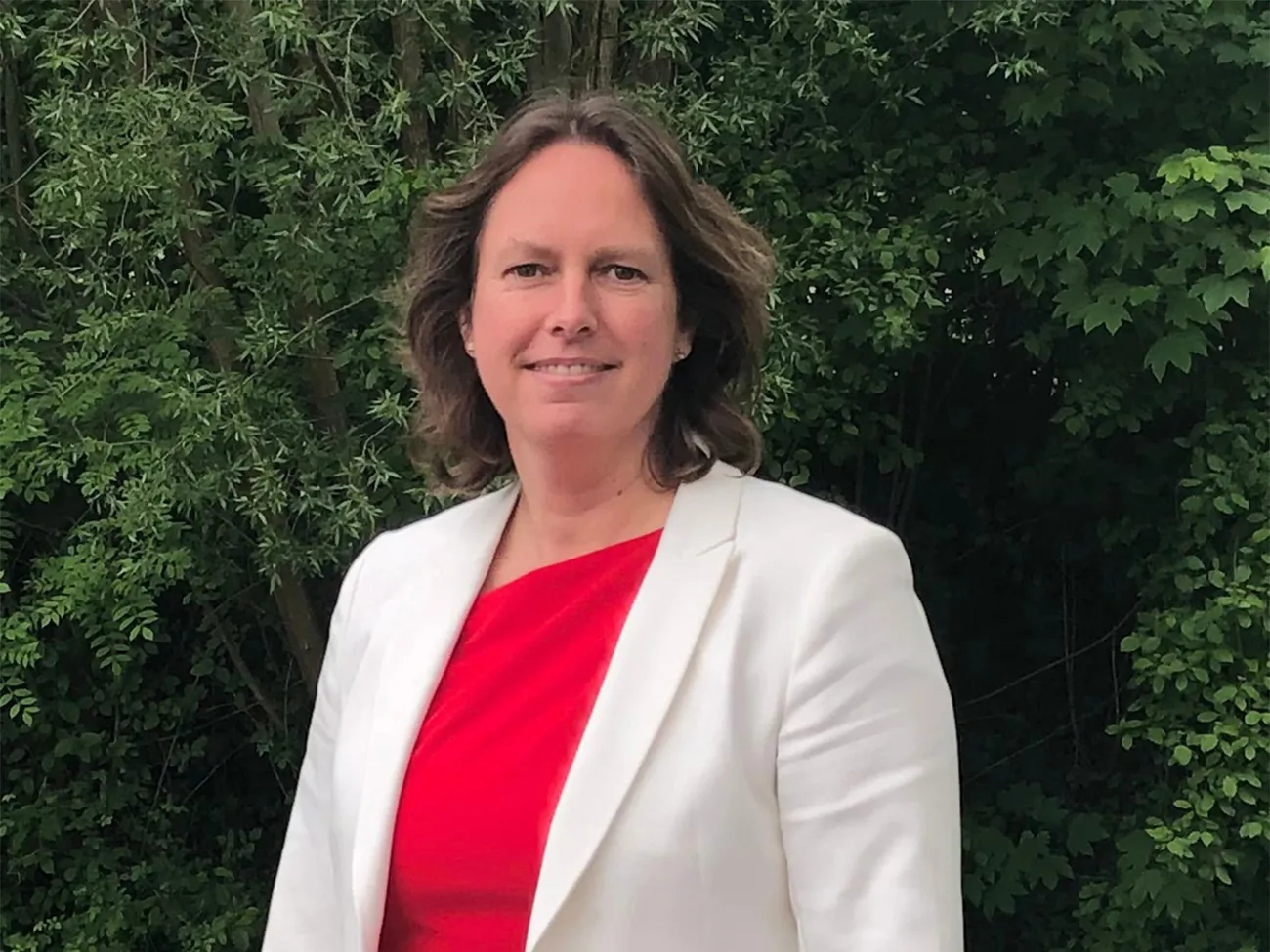
To explain why ‘circularity as a verb’ is fundamental to the circular economy, I’m sharing four ways we can work together to make a difference in construction.
First way: ‘can’ is not the same as ‘do’
Taking responsibility goes far beyond a good product or material. What use are recoverable, renewable, reusable and other such properties if companies don’t ‘do’ anything with them? I still too often meet companies in the construction sector that think their job is done if a construction product or material ‘can’ be circular. In my view, this is merely the entry ticket to getting started with circularity. A company is not yet ‘doing’ it, and by extension, a product is not yet ‘circular’ either. ‘Doing’ means taking responsibility together for continually improving the way the entire loop is closed, whatever that loop may be.
Second way: surf your loop
How do you take action? Here is an example of how we approach it. Together with companies and more than thirty students, we recently traced the loop for aluminium façades once again. Doing this feels a bit like surfing: you follow the wave of the product or material through every player in the loop, until it returns for the next round of façades. Naturally, the aim is to identify, seize and test opportunities to further minimise losses along the way. We do this using detailed process models, business models and information provision covering the entire loop. Where an average of 55% of the aluminium currently comes from secondary sources, we see opportunities to move towards 85% to 95%, or almost material neutrality. This requires demountable façade systems and technologies for urban mining, sorting, remelting and more, above all with better knowledge sharing. What does a design choice mean for recovery and reuse elsewhere in the loop? Choices sometimes turn out very differently from what was expected. And how can data help preserve high-quality alloys? And so on. Surfing the loop inspires the (further) development of circular innovations.
Third way: check your loop
While manufacturers are responsible for providing circular products, clients and architects are responsible for specifying circular requirements. It is important to ask what works and is available now (!). It is too easy to have suppliers push things into the future, so don’t accept that, there is no need to. Essentially, there are two key points to check: origin and end of life. What percentage of the product is circular in origin right now? And what is being done now to ensure that this remains possible in the future? What percentage of what is removed from the façade is given a new life? And can it be used in the same type of product, or can it be composted? Landfill or incineration, whatever the form or type of material, means leaving the loop. And, logically, check whether this also delivers environmental benefits and CO2 reductions.
Fourth way: take a functional approach to circularity
To give circular innovations a fair chance, it is important to set functional circular requirements for construction products, irrespective of the solution, product type or material. In other words, don’t prescribe a set of solutions, product types or materials that are currently trendy and in vogue. That makes these companies ‘lazy’ about further development and excludes other innovative solutions. That is why I advocate requirements that are independent of the solution, product type and material.
A verb?
For the language purists among us, from a linguistic perspective, circular is indeed not a verb. But in construction, it certainly is a ‘verb’: what matters is not being able to do it, but actually doing it by working on it.
Question about this story? Ask your question
Keep following this
Get an email when a new story is published. No account needed.
- ThemeCircular facades with lower environmental impact
- SubjectVMRG







