








Efficient cooling, naturally
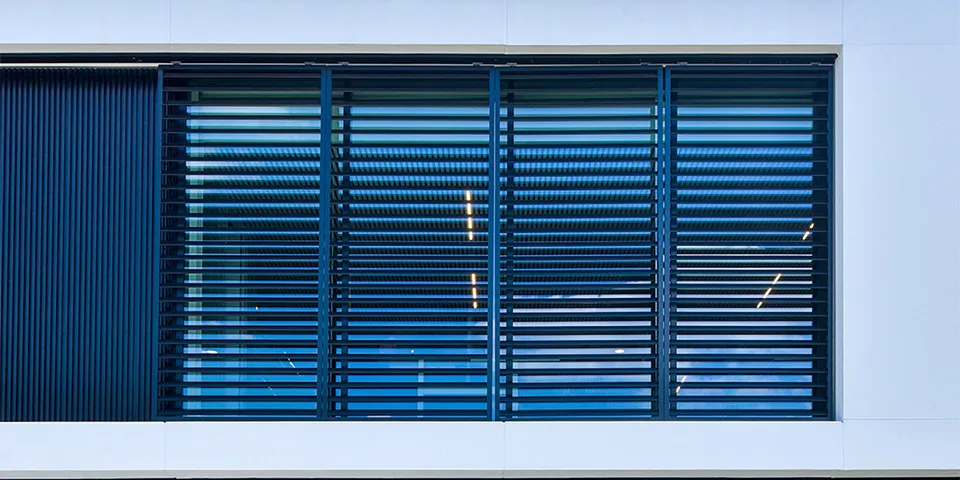
Ventilation hatches and solar shading in the fight against overheating
Airtight construction and good insulation are two key concepts that are becoming increasingly important in the building industry, helping to minimise unwanted energy losses. The demand for heating is falling, but the need to cool buildings is growing. Indoor temperatures can rise considerably, particularly during the warmer summer months. Just think of the hot summers of 2018 and 2019. Summer comfort must therefore feature more prominently in a building’s design requirements.
Klimaatverbond states that, under current building standards, the distribution of energy demand in homes is very different from the traditional pattern. Thanks to extensive insulation and maximum airtightness, more than 40% of energy demand is for domestic hot water, for example for showers. Heating the home now accounts for just over 30% of energy demand, while cooling requires almost as much energy!
Temperature exceedance requirement
From 1 July 2020, a limit value will therefore apply to the temperature exceedance requirement for homes without cooling. This is an indicator that provides insight into the risk of temperature exceedance for each orientation of the building. At the end of August, Minister Ollongren announced the limit value for temperature exceedance (TOjuli): it will be 1.0. With this new requirement, intended to reduce the risk of overheating in new-build homes, it is already clear that cooling must become an integral part of building design.
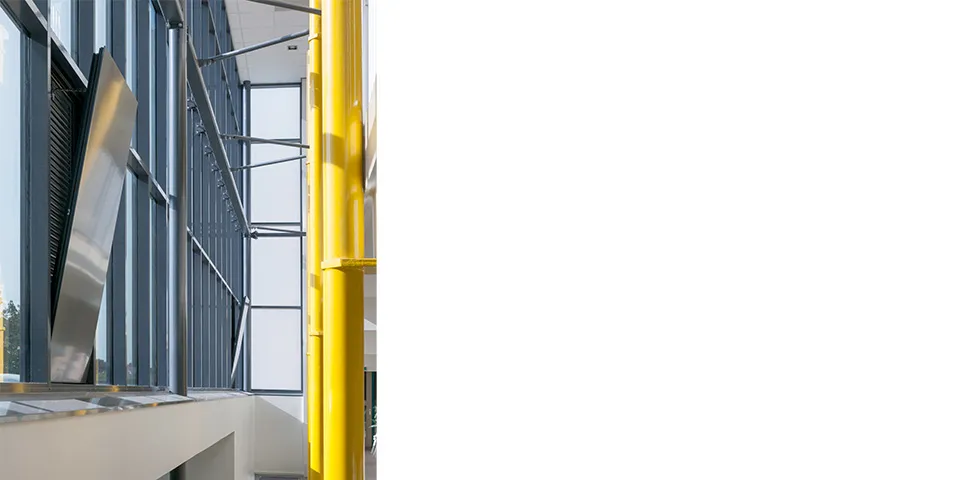
Passive cooling
‘Wrapping homes well, whether new-build or renovation, means paying attention to measures that prevent potential overheating in summer,’ explains Richard Geraerts, sales manager at Duco Ventilation & Sun Control. ‘Cooling can be “active”, using air conditioning, but it can also be very effectively “passive”. During the warm summer months, ventilative cooling combined with external solar shading helps keep a building’s indoor climate under control naturally. Did you know that even a small air-conditioning unit can easily add an average of 700 kWh to annual energy consumption? Solar shading, in the form of fabric blinds or architectural solar shading, can reduce the cooling load by up to 63% and bring temperatures down considerably.’
A complete concept
‘With increasingly stringent requirements and modern building styles featuring large expanses of glazing, the focus of energy performance is shifting from winter to summer,’ says Geraerts. ‘Insulation measures that keep the cold out will also keep the heat in during summer. To avoid energy-intensive air conditioning, the design stage must already take account of ways to minimise the cooling load through the correct orientation of windows, solar shading and night ventilation. Together with natural daytime ventilation, intensive (night-time) ventilation and solar shading are essential elements of Duco’s complete concepts, which cover both residential and non-residential construction.’
Say no to overheating
The challenge is to keep the sun out at the right times. Carefully positioning windows and adopting an appropriate solar shading strategy make an important contribution. A great deal of heat can also be expelled through night ventilation by opening hatches opposite one another to create a high ventilation rate. Cool night air is used to cool the building. ‘We believe solar shading and night ventilation should not be seen as a cost, but as an investment in the wellbeing of residents, employees or pupils. It is an investment that will not pay for itself in the conventional way, but will lead to greater productivity, better academic performance and improved sleep quality,’ Geraerts concludes.
Have a business enquiry for DUCO? Get in touch
Companies in this story

Keep following this
Get an email when a new story is published. No account needed.
- ThemeAn energy-efficient and comfortable building envelope
- SubjectVMRG
- CompanyDUCO







