








Environmental legislation for façade construction
New dataset for aluminium LCAs with the VMRG Quality Mark
Aluminium is widely used in façade construction thanks to its combination of aesthetics, durability and technical performance. The Environmental Cost Indicator (MKI), based on the National Environmental Database (NMD), is a key factor in material choices for construction projects. It is therefore important for the database to contain up-to-date, representative data. This data is always based on the ecoinvent database.
The VMRG recently updated the dataset for the aluminium used by its members. The new dataset is based on a report by European Aluminium and has a positive impact for façade contractors.
Objective comparison of materials
An entry in the NMD is based on a Life Cycle Assessment (LCA), which provides insight into various environmental impact categories, including CO2 emissions, particulate matter, land use and resource use. The NMD assessment method requires all LCAs to be based on ecoinvent database version 3.9.1 from 1 July 2026. Ecoinvent is a company that provides generic data, gathered from international studies and production data.
For aluminium, this means that the assessment includes not only the production process, but also recycling, transport and energy use. Using ecoinvent data ensures that this information is representative of the entire aluminium sector, rather than a specific supplier or industry. Ecoinvent’s average figures for aluminium also include the automotive industry and material produced in Asia.
Improved environmental impact score
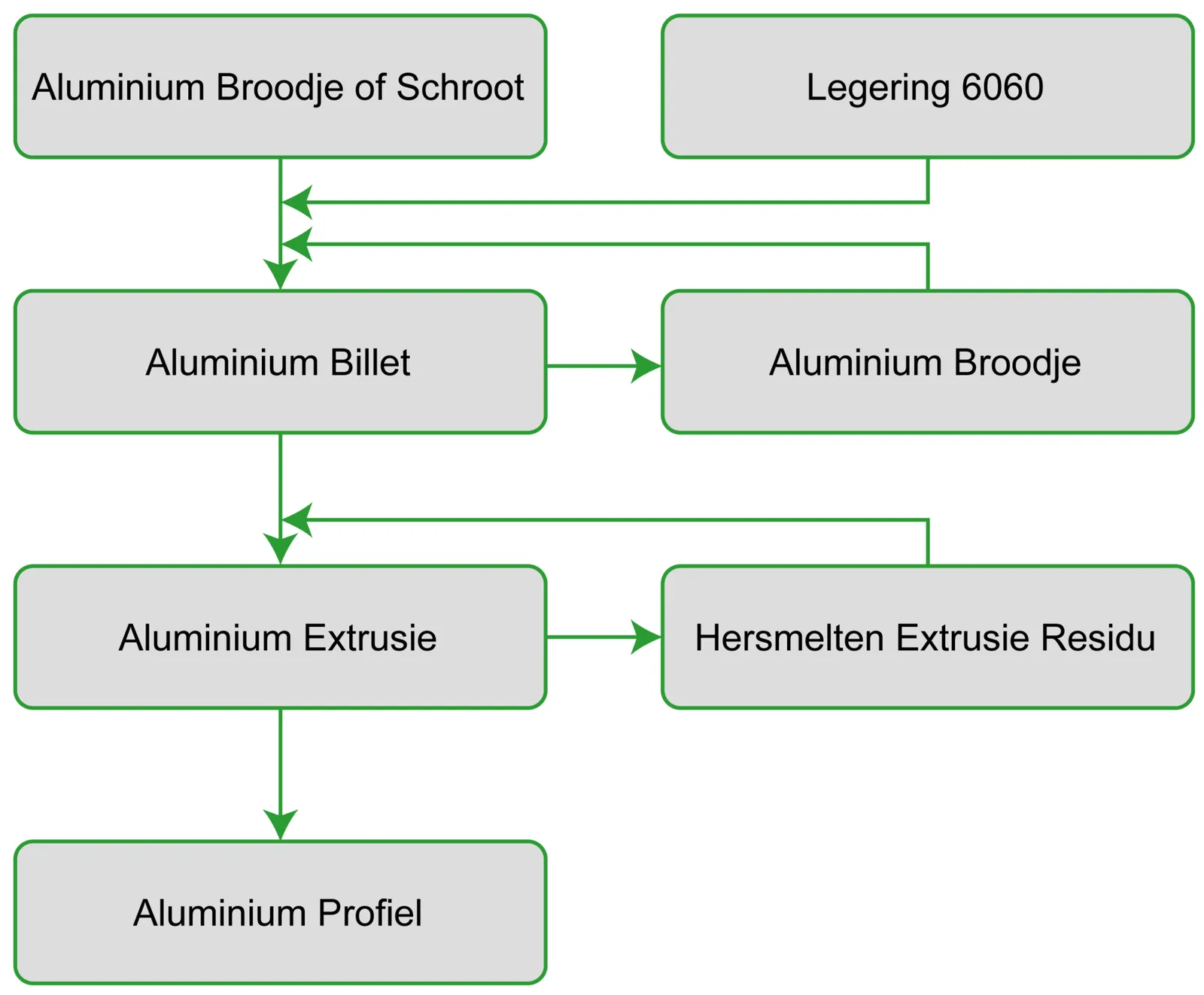
Whereas the previous aluminium profile was based on data that was not always representative of our alloy or was out of date, the new profile is now based on the 2025 report by European Aluminium. This report provides the latest insights into recycling, energy use and production processes. This evidence means aluminium scores better for environmental impact in the new profile, particularly because recycled aluminium is explicitly included and requires far less energy.
A major difference from the previous aluminium profile is how the internal recycling process is modelled. Previously, it was assumed that the material had to be melted twice, first all the secondary material and then the mix of virgin and secondary material. Research has shown that it is only melted once.
The origins of the aluminium used in the Netherlands have also been investigated. It is imported from various countries and may be exported for recycling. The impact of this transport cannot be ignored. There is a significant difference between assuming imports and exports within Europe and, for example, to or from the Far East. The figures from European Aluminium now being used provide a clear and realistic picture. The aim is to recycle locally and keep the material within Europe. This effort is now reflected in the results.
The alloy composition has also been reviewed. For VMRG members, the aluminium alloy specifications, including tolerances, are set out in the VMRG Quality Requirements. Copper, for example, is not permitted in this alloy, although it was included in the standard ecoinvent profile. It has now been removed. This also improves the MKI score, as copper is a highly polluting material.
Updated on the basis of the European Aluminium report and using generic ecoinvent data, the new aluminium profile is more accurate and easy for VMRG members and partners to use.
The MKI value can now be properly compared with alternatives, although the difference at building level is often marginal. This supports the trend towards considering the building as a whole when choosing materials, rather than looking only at individual products.
Environmental data available
The environmental data underpinning the new VMRG Aluminium dataset has been verified by an independent reviewer and does not need to be reassessed for each LCA.
When a company in aluminium façade construction wants to carry out an LCA for its product, it is important that the data is reliable and suitable for use in NMD entries. All façade contractors with the VMRG Quality Mark can use the data for the new aluminium profile free of charge when preparing their own LCA. This strengthens the commercial position of aluminium products and ensures a level playing field for aluminium façade contractors.
Is your company a VMRG member preparing an LCA and interested in using this environmental data? Please let the VMRG know.
Question about this story? Ask your question
Keep following this
Get an email when a new story is published. No account needed.
- ThemeCircular facades with lower environmental impact
- SubjectVMRG







