








Environmental legislation for the façade construction sector
Circular Materials Plan comes into force on 30 December 2025
The Circular Materials Plan (CMP) came into force on 30 December 2025. It replaces the National Waste Management Plan (LAP3) and focuses primarily on retaining materials and promoting high-quality processing. The CMP was adopted by the State Secretary for Infrastructure and Water Management and serves as the standard for permit decisions and authorising cross-border waste transport within the Netherlands.
What is the CMP?
The CMP is a policy instrument that provides a framework for processing different material streams. Rather than focusing solely on waste management, it considers the entire life cycle of materials, including design, production, use and processing. Competent authorities, such as municipalities, provinces and environmental services, are required to use the CMP when assessing permit applications for waste processing and transport.
The CMP comprises supply-chain plans and waste plans covering around sixty materials. Each waste plan includes an assessment framework and guidance for each type of waste. The assessment frameworks set out the technical and legal criteria that apply when applications are considered. The CMP is intended for professional parties, such as waste processors and permitting authorities, and requires knowledge of waste legislation and international regulations.
The assessment frameworks in the CMP serve as the standard for granting environmental permits and authorising transport. Municipalities and provinces are responsible for processing, while the Human Environment and Transport Inspectorate (ILT) is the competent authority for cross-border transport.
Guidance for metals
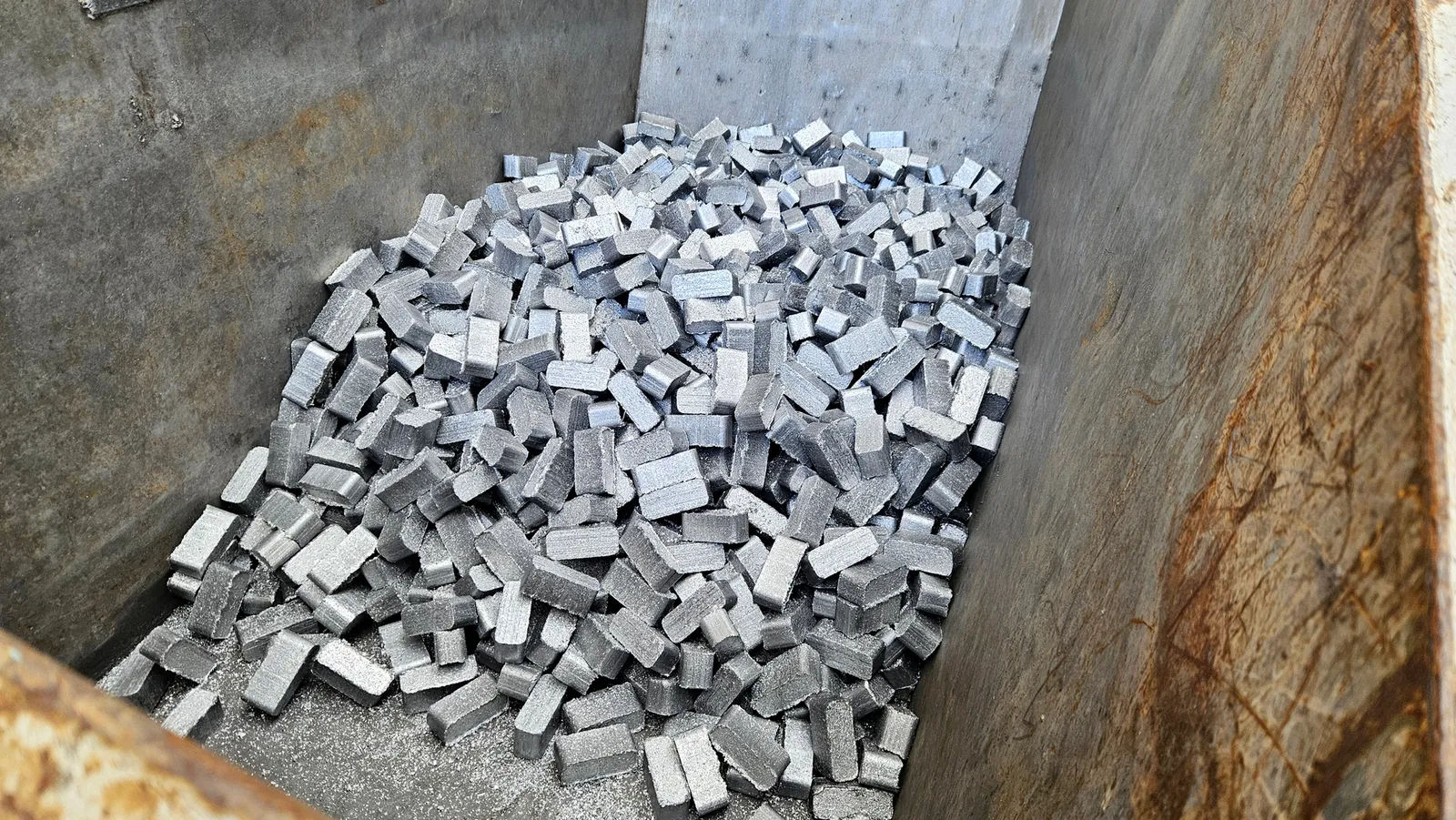
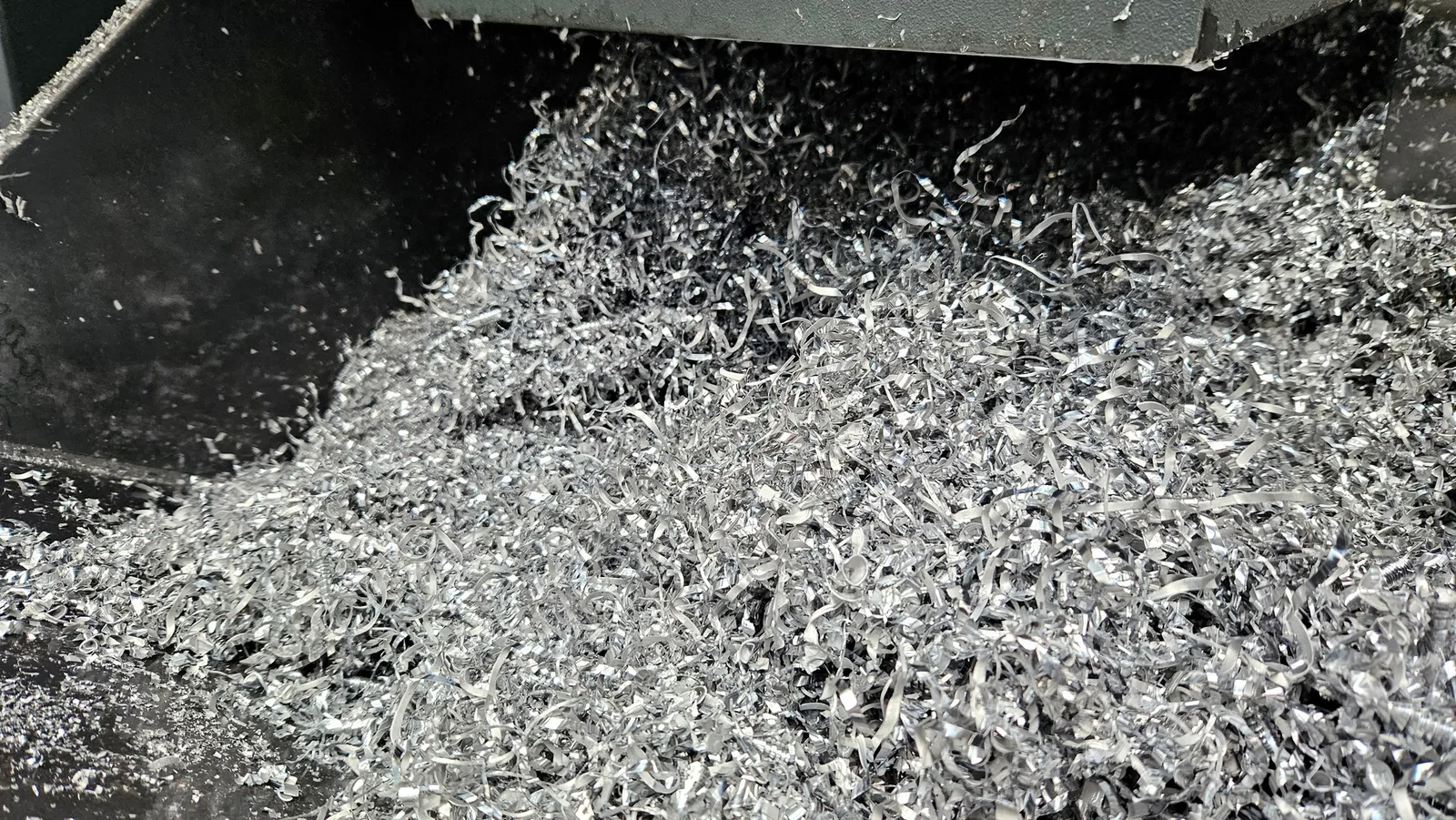
Metals form a separate category within the CMP. This material stream covers ferrous and non-ferrous metals, such as iron, zinc, aluminium, copper, lead, various alloys, precious metals, metal dust and catalysts. Waste containing more than 50 per cent metals is treated separately, with hazardous and non-hazardous waste distinguished on the basis of contamination:
- Metals (non-hazardous waste): for example, scrap, offcuts and separately collected metals;
- Solid waste containing more than 50% metals, hazardous waste: for example, construction and demolition waste consisting mainly of metals and contaminated with hazardous substances;
- Solid waste containing more than 50% metals, non-hazardous waste: for example, a metal object from a building with no significant contamination.
The CMP stipulates that waste should be kept separate and segregated as far as possible. This facilitates subsequent processing, such as recycling. Minimum standards provide the basis for permit decisions.
Permits allowing processing below the minimum standard are only permitted in exceptional cases, for example in emergencies or where Substances of Very High Concern (SVHCs) are present. There is also a legal requirement to keep waste segregated.
Façade construction
For metal façade contractors, this means business can continue as usual: all metals can be handed over to the waste processor. The CMP only prescribes minimum standards. Façade contractors wishing to recycle more effectively can do so by making arrangements with their waste processor or material supplier.
All metals have economic value, even when they have become waste for the façade contractor. This value may be higher if the batch is more homogeneous. There may therefore also be a financial incentive to act more sustainably than the CMP requires.
The following points from the CMP are important for façade contractors when delivering waste:
- Aluminium: sort by alloy and deliver to the processor by alloy. Any surface treatment present does not interfere with the process. It is not currently recycled separately.
- Steel: keep it separate from other metals and take it to your waste collector. Steel is recycled more effectively when collected with steel of the same grade.
- Glass: follow the standards set by Vlakglas Recycling Nederland. Glass must always be separated and is always recycled. However, more of its quality can be retained if it is transported in whole panes.
- Rubber, insulators, sealants and other plastic components are not mentioned separately in the CMP.
- Office waste streams such as paper, PMD (plastic and metal packaging and drink cartons) and GFT (vegetable, fruit and garden waste) remain unchanged.
.
Question about this story? Ask your question
Keep following this
Get an email when a new story is published. No account needed.
- ThemeCircular facades with lower environmental impact
- SubjectVMRG







