








Kicking off the VMRG campaign on aluminium in façades
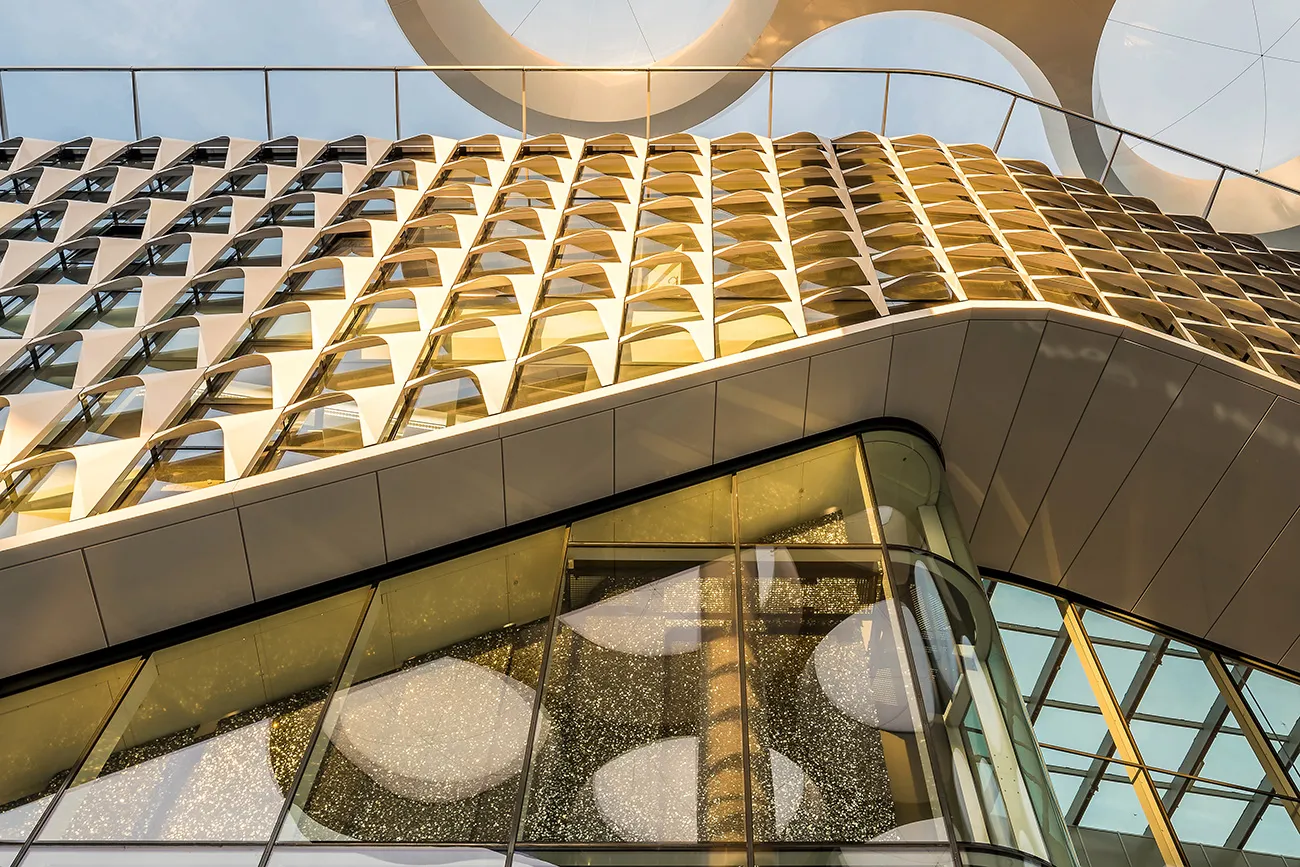
Aluminium is a versatile material for use in façades. VMRG will be highlighting this versatility in a campaign. As part of the campaign, from issue 2 of Gevelbouw onwards, an architect, developer or investor will write a column about aluminium in each issue. As a preview, we asked Henk Zoontjens, director of VMRG, what he considers the most remarkable aspect of using aluminium in façades.
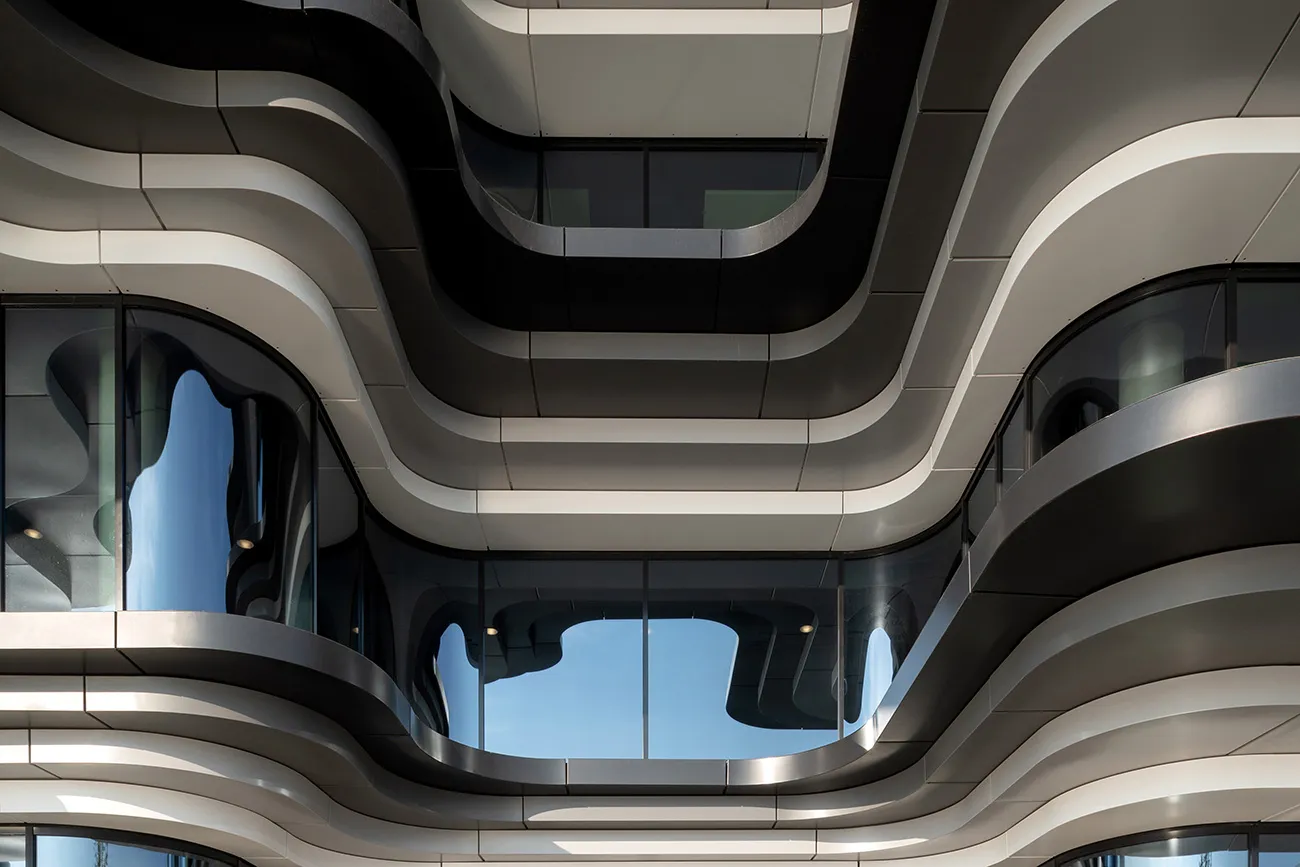
Henk Zoontjens does not have to think for long when we put the question to him: “Freedom of form”.
Can you explain what you mean by the freedom of form offered by metal façades?
“Aluminium offers unprecedented possibilities when it comes to façade design. Thanks to their high elasticity and low weight, profiles can be made in all kinds of shapes, giving designers enormous freedom when designing a façade. The cost of making a die for a bespoke aluminium profile is relatively low. This makes it possible not only to design all kinds of metal shapes, but also, especially for
larger projects, to make them financially viable.”
What happens to wind and watertightness and insulation when you change the shape?
“In principle, you do this together with the system supplier, in such a way that the system’s properties, such as wind and watertightness and thermal performance, are maintained. The shape of the profiles can easily be adjusted on both the inside and outside. Changing the shape of the profiles gives a façade a completely different appearance.”
Are there other ways to use metal to determine the shape of a façade?
“You can also create beautiful combinations of the windows and façade cladding. The cladding, too, can be made in all kinds of shapes. This can result in very striking and unique façades. Metal also makes it possible to create very large areas of glazing or panelling. This is usually done with a curtain wall. Curtain walls provide panoramic views, let in an abundance of daylight and effectively open up the building. What is special about an aluminium curtain wall is that you can give a façade a different appearance each time. Attaching a cover cap to the curtain wall in a particular shape and a beautiful colour gives it a completely different look. This is also an interesting option if a building gets a new owner who wants to give it an identity of their own. A curtain wall has a pressure plate on the outside, onto which any cover cap can be clipped, allowing the façade to be adapted to the owner’s wishes. A curtain wall is also modular and demountable. It can therefore even be taken apart, adapted and installed elsewhere. Given metal’s long service life, this is a realistic option.”
How can you make the best use of the possibilities for façade design?
“To make the best and most efficient use of the possibilities for façade design, it is important to involve a façade contractor and/or profile supplier at an early stage. The façade contractor will work with the profile supplier to see what is possible. The façade contractor sets out the broad parameters, while the profile supplier investigates whether the design is feasible from a tooling perspective. When working in a construction team, the advantage is that the façade contractor is involved much earlier. This means the façade contractor can contribute ideas on the right building interfaces, detailing and installation.”
Question about this story? Ask your question
Keep following this
Get an email when a new story is published. No account needed.
- SubjectVMRG







