








Nearly Zero-Energy Buildings (BENG)
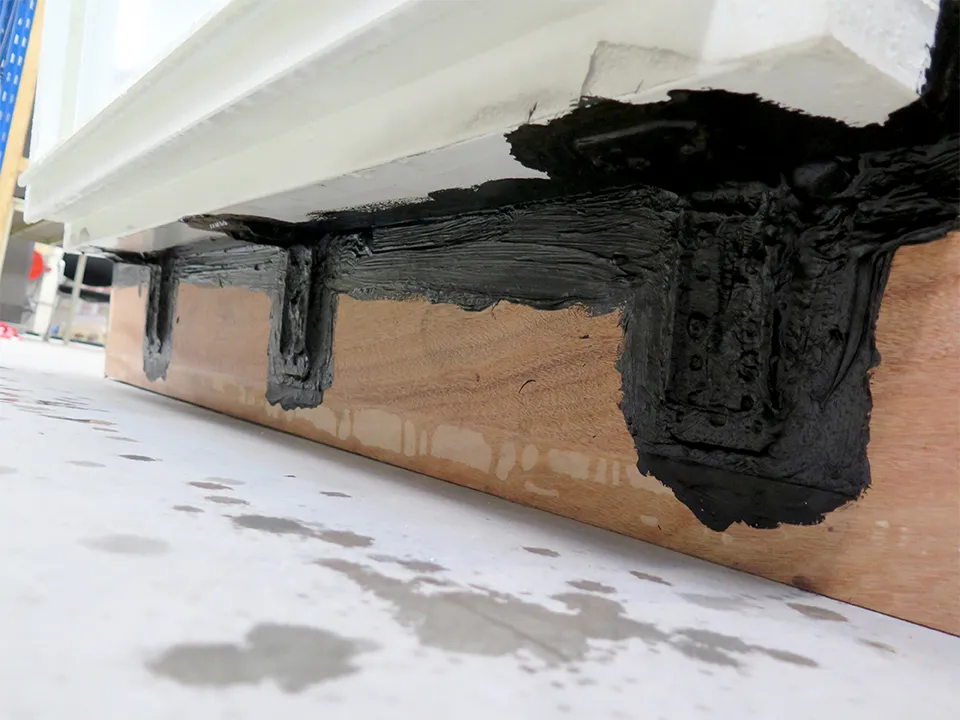
For all new buildings, both residential and non-residential, planning applications submitted from 1 January 2021 onwards must meet the requirements for Nearly Zero-Energy Buildings (BENG). These requirements stem from the Energy Agreement for Sustainable Growth and the European Energy Performance of Buildings Directive (EPBD). With the introduction of these requirements, a building’s airtightness is becoming increasingly important. Choosing suitable, durable materials is essential. It is also crucial not to underestimate the quality of their installation, which is vital to ensuring the building remains airtight over the longer term. SKG-IKOB has developed two assessment guidelines to safeguard the quality of airtight junctions through certification of both products and installation processes.
Durable sealing in accordance with BRL 2804-1
These developments have led to a very wide range of sealing products and materials now coming onto the market. This carries the risk that products may be used which later prove unable to deliver their claimed performance. Specifying assessment guideline 2804-1 for the certification of airtight building products can help designers, contractors and clients choose the right products for the application. Products supplied with a KOMO product certificate under BRL 2804-1 demonstrably meet the requirements of this guideline. Naturally, considerable attention is paid to the airtightness of the sealing product. At SKG-IKOB’s laboratory in Geldermalsen, the products are tested for airtightness. However, these tests alone are not enough to determine long-term performance. After all, a building must still meet the airtightness requirement after 5, 10 or 25 years.
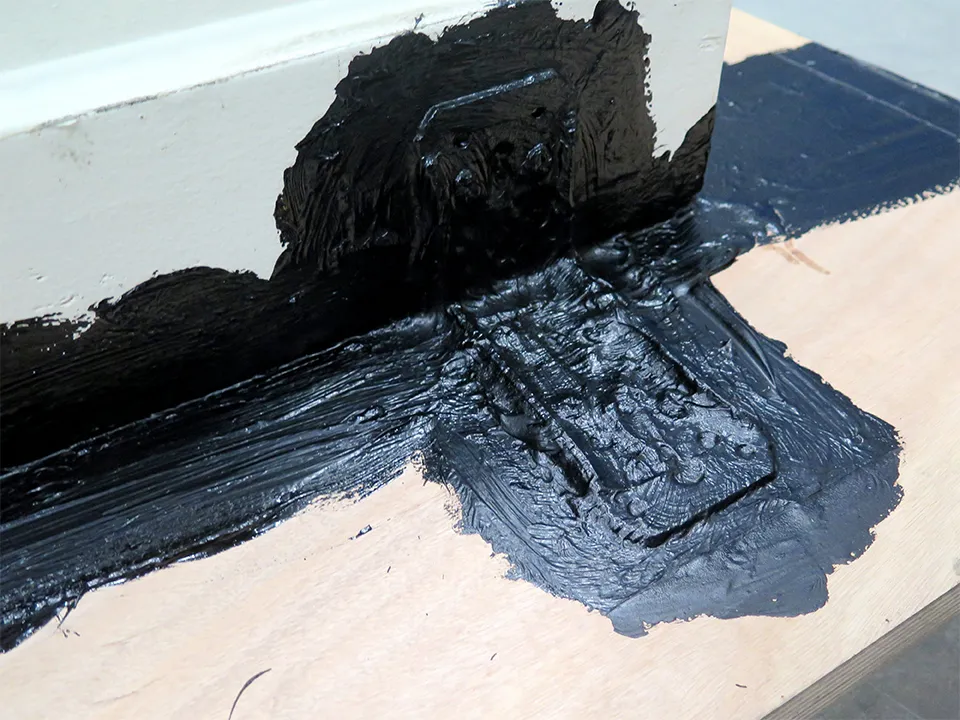
Certification therefore covers more than this, demonstrating that products can withstand building movement caused by the expansion and contraction of the structure and its components. The effects of moisture and temperature fluctuations, water vapour permeability, and any damage to the material caused by other materials are also assessed. Poor performance in these areas could adversely affect the airtightness of joints, seams and gaps over time.
Material-independent
Unlike many other assessment guidelines, BRL 2804-1 is not limited to a particular type of material. Various materials can be selected to create airtight seals. Products on the market include tapes, sealing strips, spreadable or spray-applied products, and combinations of these. The requirements are tailored to the product’s application. A distinction is made between seals that overlap joints, seals that fill joints, and seals for penetrations or wall boxes. New applications can also be assessed under this guideline. Regardless of the material selected or the solution offered by a manufacturer, products are assessed against comparable criteria.
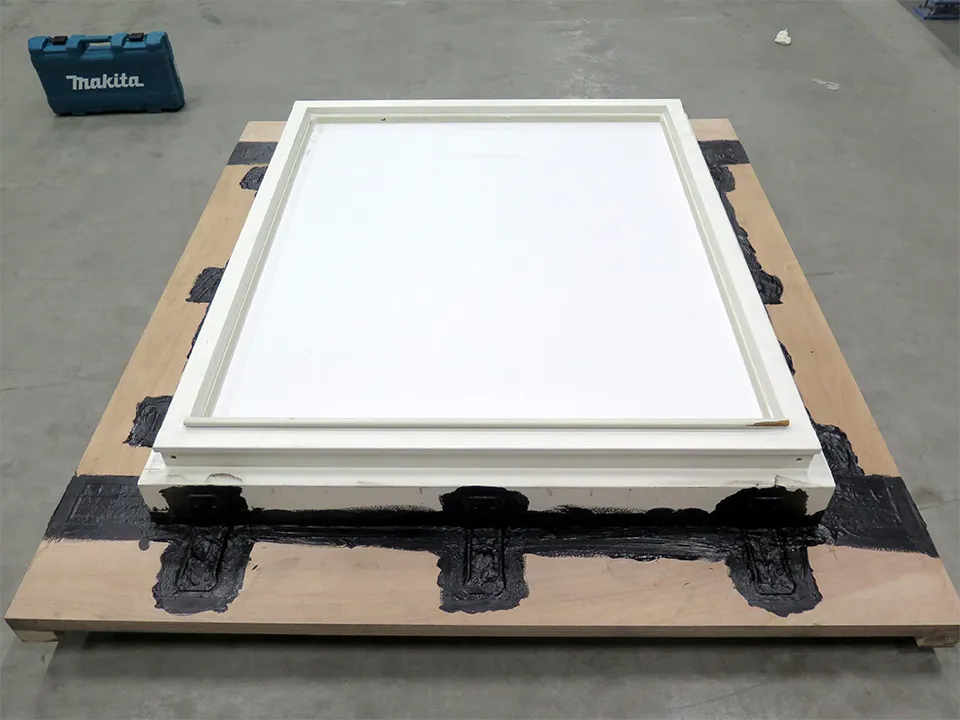
On-site testing and process certification in accordance with BRL 2804-2
As well as selecting suitable sealing materials, it is important to install them correctly on site. After sealing products have been installed, an on-site test can of course be used to determine the airtightness of the junction. SKG-IKOB’s test equipment can be used to carry out on-site measurements in new-build and existing buildings, as well as during construction. Creating an airtight junction starts with good detailing and design. This provides the basis for determining which sealing product is best suited to the situation. The focus then shifts to correct installation. To complete these stages properly, the company must continually have the right expertise and skills.
New BRL 2804-2 published
This gave SKG-IKOB every reason to develop an assessment guideline for the practical installation process too. BRL 2804-2 was published in October 2020, enabling installation companies to qualify for a KOMO process certificate for creating airtight seals. This provides even greater assurance that the building’s final airtightness performance meets the applicable requirements, helping us work together more effectively to achieve the agreed climate targets.
Question about this story? Ask your question
Keep following this
Get an email when a new story is published. No account needed.
- ThemeAn energy-efficient and comfortable building envelope
- SubjectVMRG







