








Preparing for the Quality Assurance (Building Sector) Act with a façade construction handover dossier
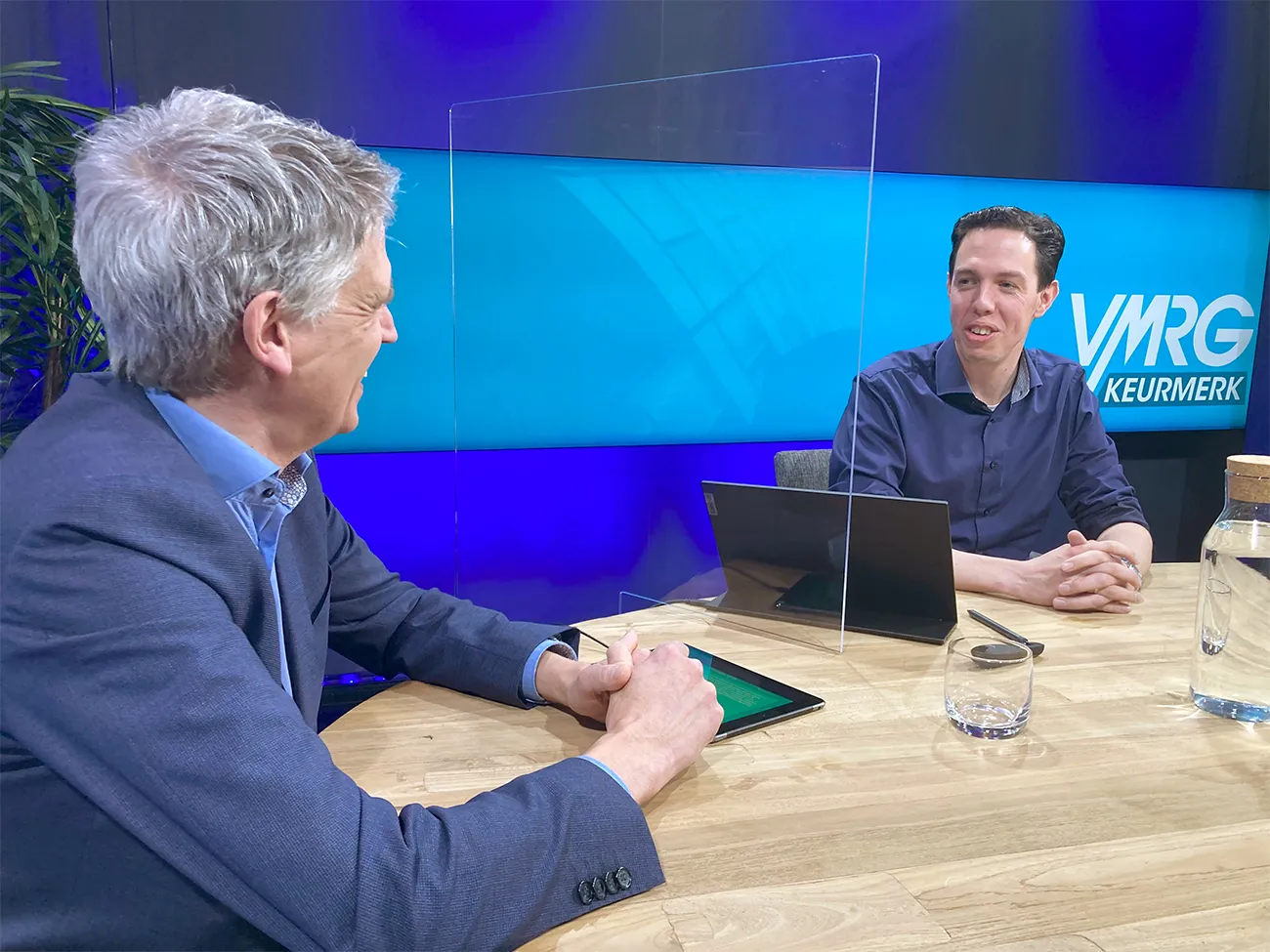
On 13 April, the VMRG held an online expert session on the Quality Assurance (Building Sector) Act. Director Hans Zwaanenburg spoke with Bert Videler of Bouwkwaliteitscoach.nl and Luchtdicht.eu.
The Quality Assurance (Building Sector) Act comes into force on 1 July 2022. But to be able to provide the right information when the time comes, it is important to start preparing now. Here is an overview of the questions Hans Zwaanenburg put to Bert Videler.
What is the Quality Assurance Act in a nutshell?
“This Act governs both the Environment and Planning Act and the Dutch Civil Code. The Environment and Planning Act covers, among other things, the competent authority, changes the permit application process for construction projects and introduces a private quality assurance provider. It changes the role of the municipality, the competent authority, and brings a quality assurance provider into the picture. This change to the system applies to buildings in Consequence Class 1. These include, for example, detached and semi-detached homes, smaller industrial buildings and smaller infrastructure projects. Permit applications submitted from 1 July 2022 for this type of building will fall under the new Act. The Dutch Civil Code concerns private contracts. The changes to the Dutch Civil Code will apply to every structure built from 1 July 2022, including buildings currently under construction that are completed after 1 July 2022. One important change concerns liability. Even if a defect is visible, if you cannot demonstrate that you built it correctly, you will still have to put it right. So you need to make sure you have evidence showing that you built everything properly.”
What changes for façade construction?
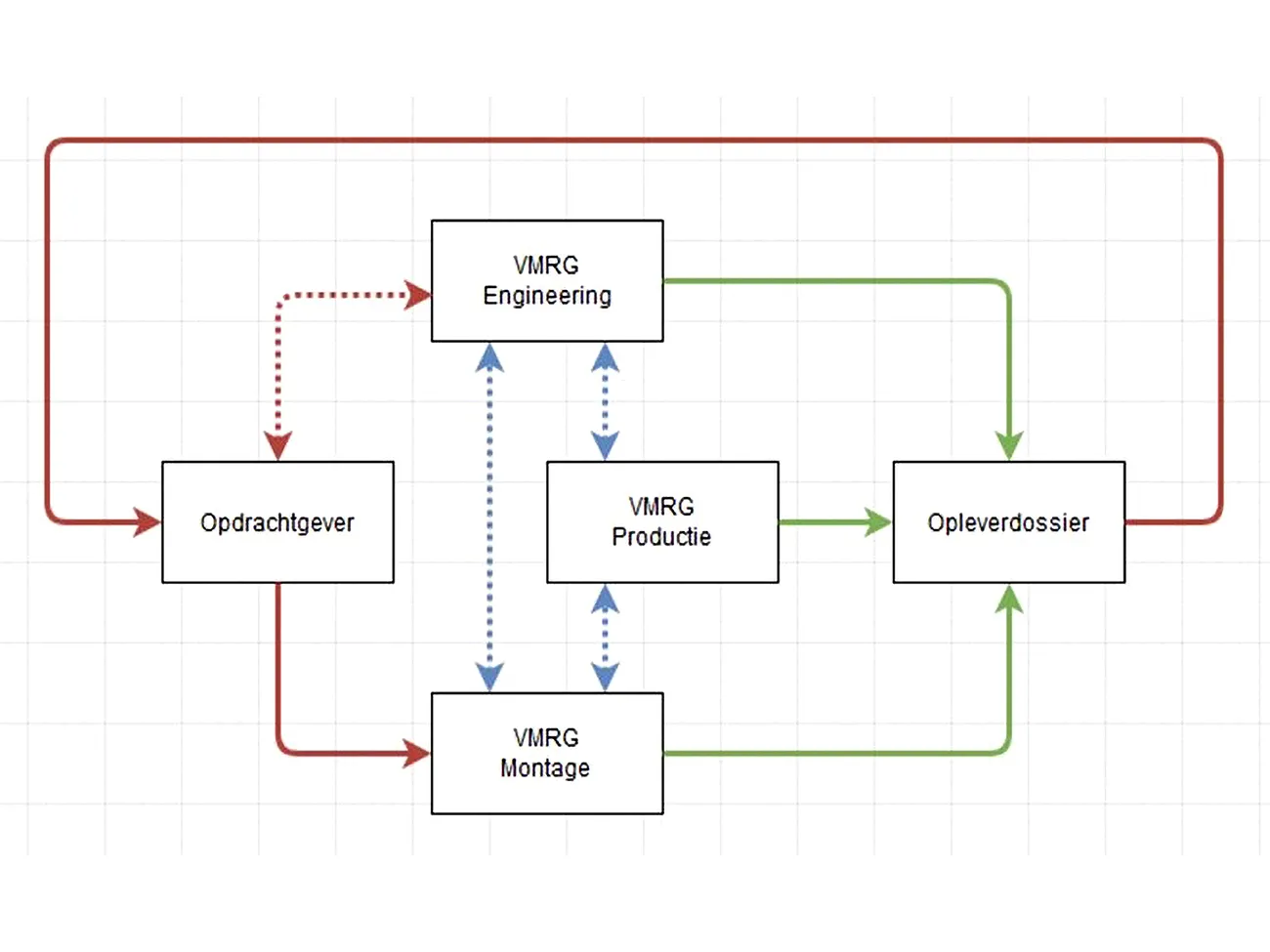
“Under the Dutch Civil Code, and particularly in relation to liability, you will have to demonstrate that you completed your work correctly, and ensure that this is documented in a dossier. Façade contractors usually work for a main contractor that has to comply with this legislation and will pass the requirements on to its subcontractors through its contracts. The increased liability therefore applies to all projects, including those in Consequence Classes 2 and 3, for example when you build the façade of a large hospital. To protect yourself against this increased liability, you need to start compiling your dossier now and demonstrate that you deliver work of the required standard and have properly managed your risks.
For projects in Consequence Class 1, such as detached and semi-detached homes, the quality assurance provider will also request information, for example: How did you build it? Do you have certificates? Does it comply with the Building Decree? In general, the Quality Assurance Act requires evidence that you built it correctly. This could include inspection forms, photographs and so on. Suppliers can also play a role by providing façade contractors or main contractors with the right information and user guidance for the consumer dossier.”
How does the construction process work under the Wkb?
“The legislature wants us to focus more on the quality achieved in practice than on the quality documented on paper. At the outset, before construction starts, a quality assurance instrument must be selected. There are currently five instruments available for use in the Netherlands. A quality assurance provider must also be appointed to assess the work. The next step is to carry out a risk analysis, identifying the items that pose a risk in light of the Building Decree and the specific project. A quality assurance plan must then set out how these risks will be managed during construction. This is where the expertise of the façade contractor and suppliers will be needed. Evidence must be collected during construction. In practice, this means carrying out the measures set out in the quality assurance plan to demonstrate that everything has been built correctly. This is a real culture change. At the end of construction, a dossier is compiled. All parties must contribute to it throughout the construction process, demonstrating that they have built correctly. The quality assurance provider involved throughout the process assesses the dossier and concludes that, to a very high degree of probability, the structure complies with the Building Decree, which is what the quality assurance provider assesses. To substantiate this, at the end of the process they must also issue a statement to the municipality confirming that the project meets the requirements.”
The VMRG is working to include a façade construction handover dossier in the updated VMRG Quality System. Is this a good idea?
“What matters is that, during the engineering, production and installation phases, you check whether you are still working to the same requirements, how you will demonstrate this together, and what you agree should go into the handover dossier. It is a very good idea to start this during the engineering phase and have that conversation with the client and the quality assurance provider. So make sure you complete all the agreed actions in each phase, and plan the stages carefully so that you do not have to do all the work to provide evidence at the end. You can already demonstrate a great deal during the production of your frames, for example the glass that has been manufactured or your coating thickness measurements. You can build up your dossier during these phases. This is important because it reduces the workload and builds trust with the quality assurance provider, so I think it is an interesting way of working. A good move!”
Question about this story? Ask your question
Keep following this
Get an email when a new story is published. No account needed.
- ThemeSafe and verifiable facade construction
- SubjectVMRG







