








SKG stars: the quality mark for reliable hardware
“Additional requirements for electromechanical and electronic hardware”
Homeowners, architects, contractors and building owners will all have heard of SKG stars on hardware. Those in the construction supply chain know that products bearing SKG stars are reliable and burglary-resistant. But what exactly do these stars mean? What does a product have to do to earn SKG stars? Trends and developments in electromechanical and electronic hardware are creating a need for new, specific requirements. This article looks at these developments and answers the key questions they raise.
1, 2 or 3 SKG stars?
Hardware products certified by SKG-IKOB, such as locks, cylinders, door furniture and hinges, carry 1, 2 or 3 SKG stars. The number of stars indicates how well the product performs against a range of criteria. The more stars, the better its performance. Products without stars are not certified, and products cannot achieve more than 3 stars. This system distinguishes between the performance of certified products, enabling the market to make an objective comparison between products from different suppliers, depending on their intended application.
For a starred hardware product to be brought to market, both the supplier and the product, including its installation instructions, must meet the requirements of BRL 3104. This assessment guideline (BRL) sets out all the requirements against which SKG-IKOB assesses the company and the product.
Certification assessment criteria
The product supplier must have a quality management system to ensure consistent product quality. Changes to the product must be controlled and implemented in consultation with SKG-IKOB.
Test methods set out in NEN 5089 are used to determine whether the hardware products meet the requirements for a 1, 2 or 3-star rating. The tests are divided into 4 main categories:
- 1. (In-service) durability:
How long will the product continue to function properly? - 2. Corrosion resistance:
How well does it resist rust and degradation? - 3. Strength (burglary resistance):
How well does the product withstand an attempted break-in? - 4. Installation and dimensional assessments:
How should the product be installed?
Strength tests assess the extent to which a product contributes to the burglary resistance of roof and façade elements. As the test method is aligned with NEN 5096, there is a strong correlation between the number of SKG stars on a hardware product and the burglary resistance class of roof and façade elements under NEN 5096. The following table shows this relationship. Although the hardware makes an important contribution to the burglary resistance of the roof or façade element, the complete assembly must, of course, meet the burglary resistance class requirements of NEN 5096.
The performance of a hardware product also depends on how it is installed in the roof or façade element. Specific requirements therefore apply to the content of the installation manual for SKG stars to be awarded. The manual is also assessed thoroughly.
Additional requirements for electromechanical and electronic hardware
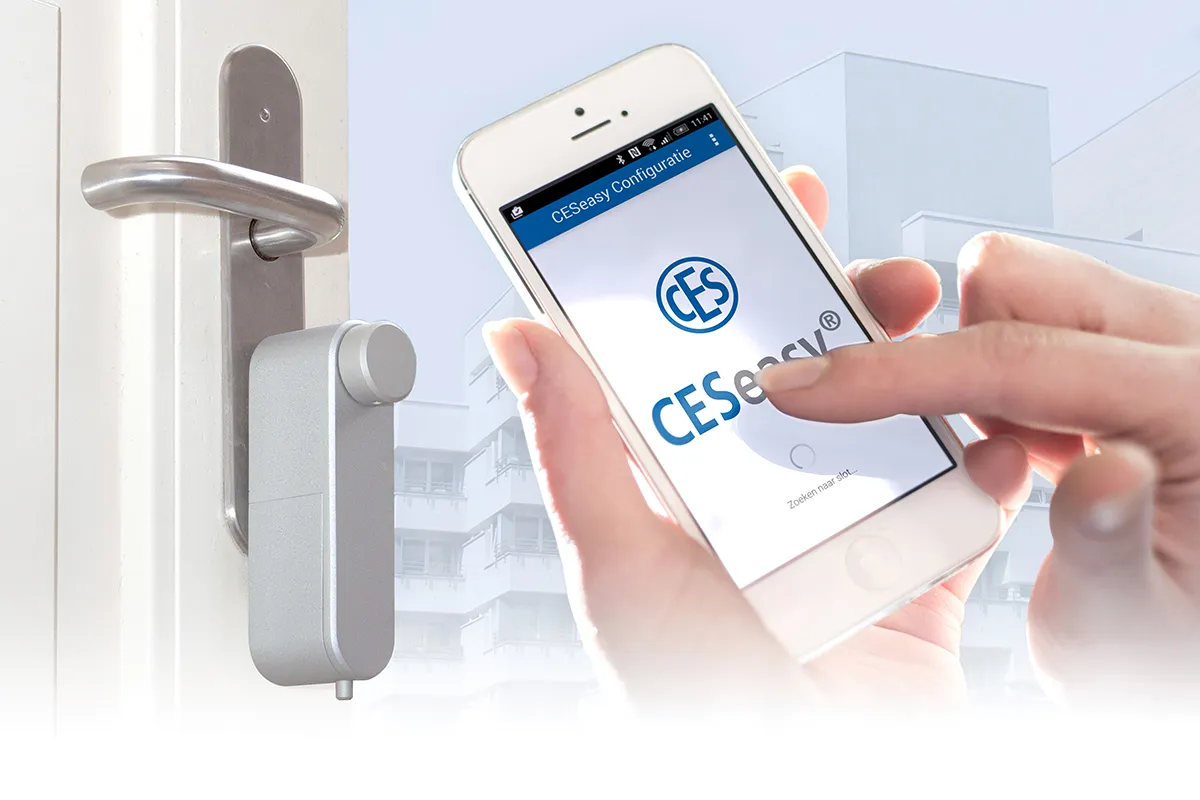
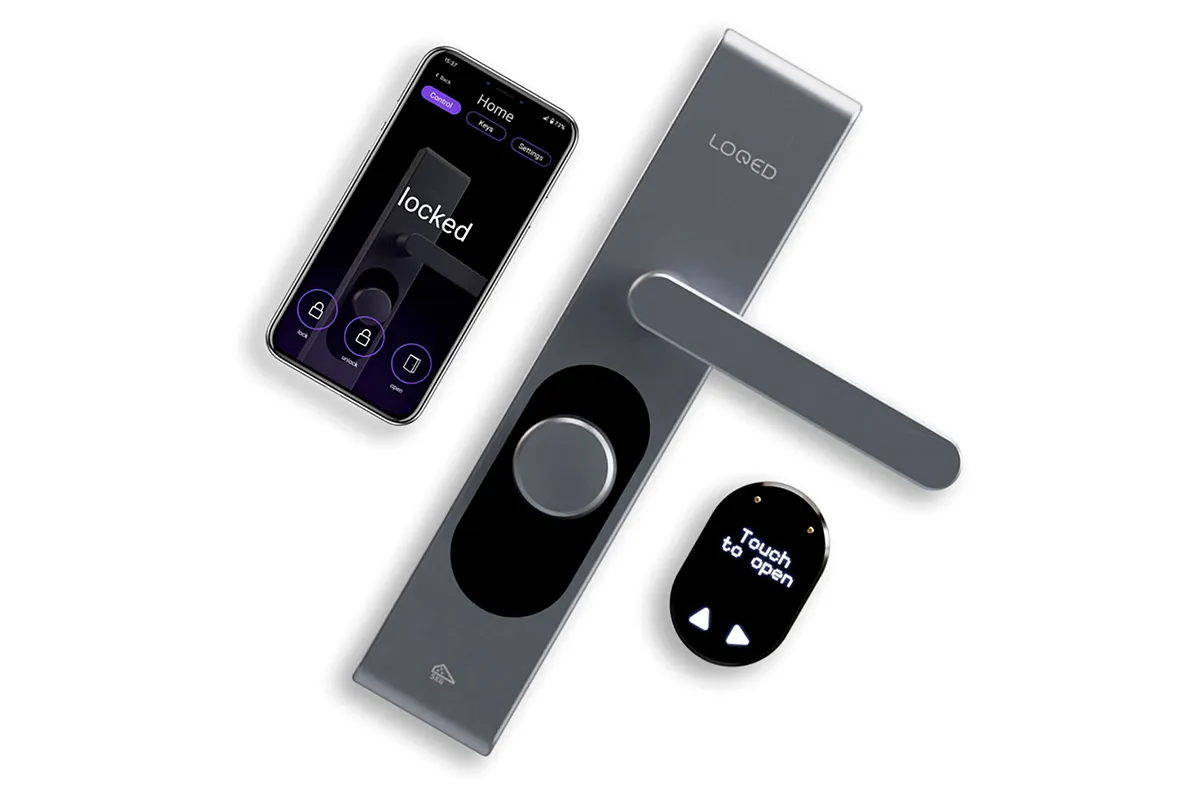
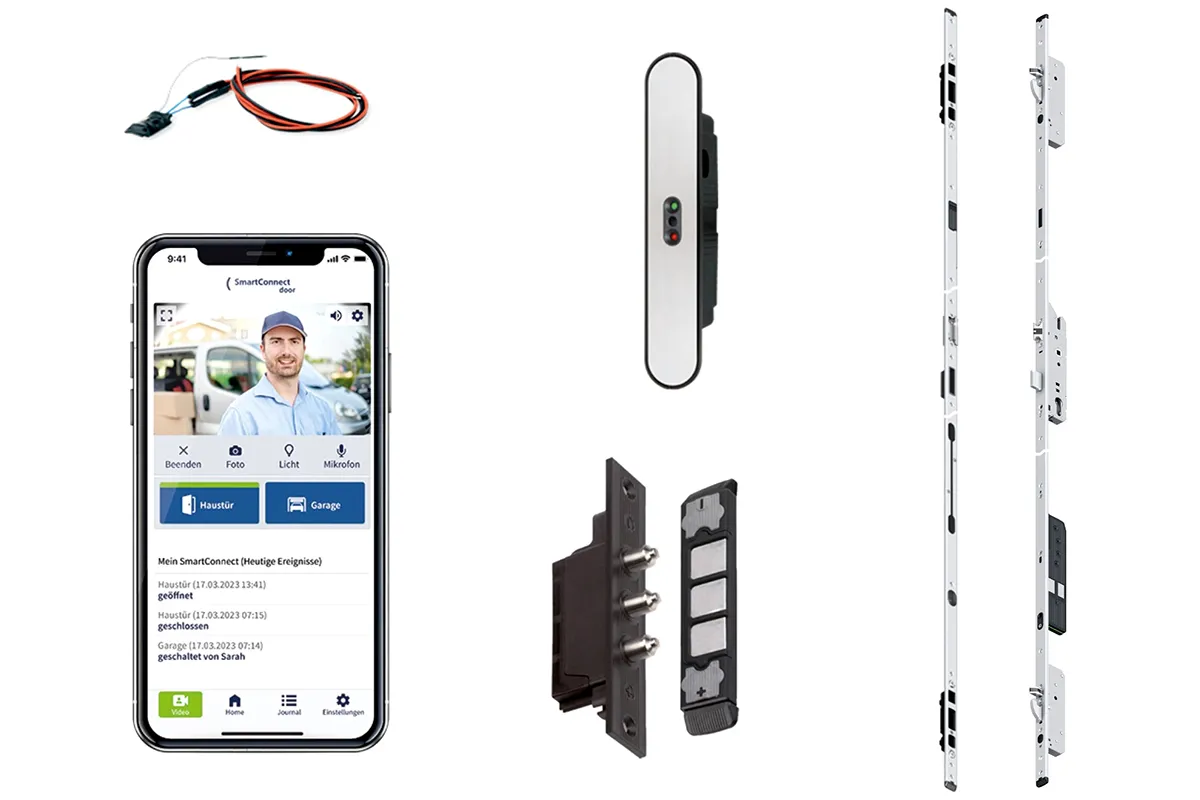
More and more products for locking and unlocking windows and doors are being fitted with electromechanical and/or electronic components. As the existing standards do not adequately address these products and their associated digitalisation, SKG-IKOB has worked closely with the industry to draw up additional requirements. These additional requirements are set out in AE 3104 (additional requirements to BRL 3104) and cover aspects such as:
- • Signal transmission
- • Passwords, PIN codes and key management
- • Digital keys and electronic keypads
- • Biometric readers
- • (Remote) operation
- • Software (apps), firmware and updates
The supplier records all product characteristics and data relevant to SKG-star-certified products in a “self-declaration”. Over the past year, all SKG-IKOB product certificates issued for electromechanical and electronic products have included this “self-declaration”. These are also published on www.sterrenwijzer.nl. This approach also sets requirements for the products’ “digital properties”, making them transparent and communicating them to customers.
Smart Locks course: knowledge for the future
The additional requirements mentioned above cover key aspects of digital security, including encryption, authentication and data integrity checks. To test products against these requirements, a so-called “basic system model” has been defined that can accommodate all products. The digitalisation of hardware calls for new knowledge. That is why SKG-IKOB Opleidingen offers the Smart Locks course. It covers all aspects of the basic system model, as well as the requirements that smart locks and electronic hardware must meet. It is essential for professionals who want to be prepared for the future of security.
Question about this story? Ask your question
Keep following this
Get an email when a new story is published. No account needed.
- ThemeWindows, doors and entrances
- SubjectVMRG







