








The Safety Culture Ladder in theory and practice
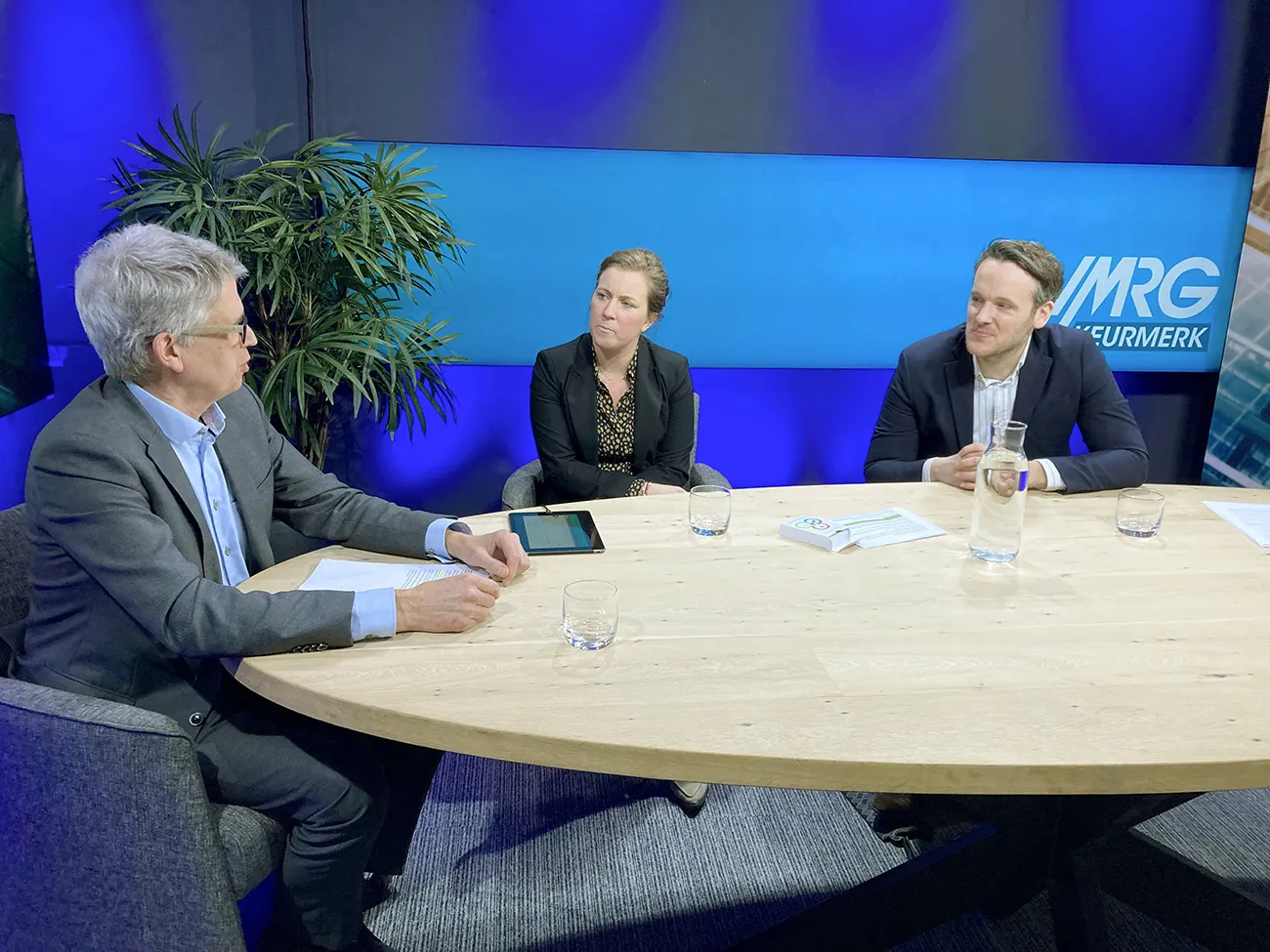
The online VMRG Expertsessie took place on 17 January, focusing this time on the Safety Culture Ladder. Since 1 January 2022, signatories to the Governance Code Veiligheid in de Bouw have used the so-called Safety Culture Ladder (NEN Safety Culture Ladder).
The Safety Culture Ladder promotes safety awareness and safe working practices. Its aim is to reduce the number of unsafe situations and, as a result, the number of incidents (absences and damage). Hans Zwaanenburg, director at VMRG, spoke with Marieke Vissers-Polak, head of the business office at Van Iersel Geveltechniek, which was recently certified at level 2 of the Safety Culture Ladder, and Jeffrey Bogaard, certification manager at SKG-IKOB Certificatie.
What exactly does the Safety Culture Ladder involve?
It assesses awareness, and therefore behaviour and culture within the organisation, in relation to safe working. What makes the Safety Culture Ladder distinctive is that, unlike for example ISO 9001, a company is audited primarily through interviews and observations at work locations, with employees’ perceptions and behaviour being assessed. This places far less emphasis on procedures.
Why did Van Iersel opt for certification?
The Safety Culture Ladder raises safety awareness within the organisation. This helps us work towards having healthy employees who can remain employable in the long term, while promoting a safety culture together and reducing incidents. Prevention rather than cure. There is also a commercial benefit. Certain clients asked us to get certified, and our clients are always at the heart of what we do. Our approach is to do what is needed, what is asked of us, and at the right time. This led us to start the certification process in early 2021, for that reason too.
There are several options available. Which should you choose?
There are four types of certification available:
- SCL Original: this is mandatory if you work for ProRail. Under Original, a full audit is carried out every year;
- SCL: a full audit is carried out in the first year, followed by partial audits in years 2 and 3. This is comparable to ISO 9001 certification;
- SCL Light: 40% of the audit is carried out in the first year. In years 2 and 3, only the action plan drawn up by the company is checked;
- Approved Self Assessment: the company carries out its own assessment, and SKG-IKOB assesses only its reliability.
Only the first two types of audit result in a certificate stating the ladder level. SCL Light results in a statement indicating the level, while Approved Self Assessment results in a declaration of the reliability of the self-assessment, without indicating a level. The specific requirements are set out in the risk matrix in the Governance Code. In principle, the main contractor is responsible for the work carried out and determines which level applies.
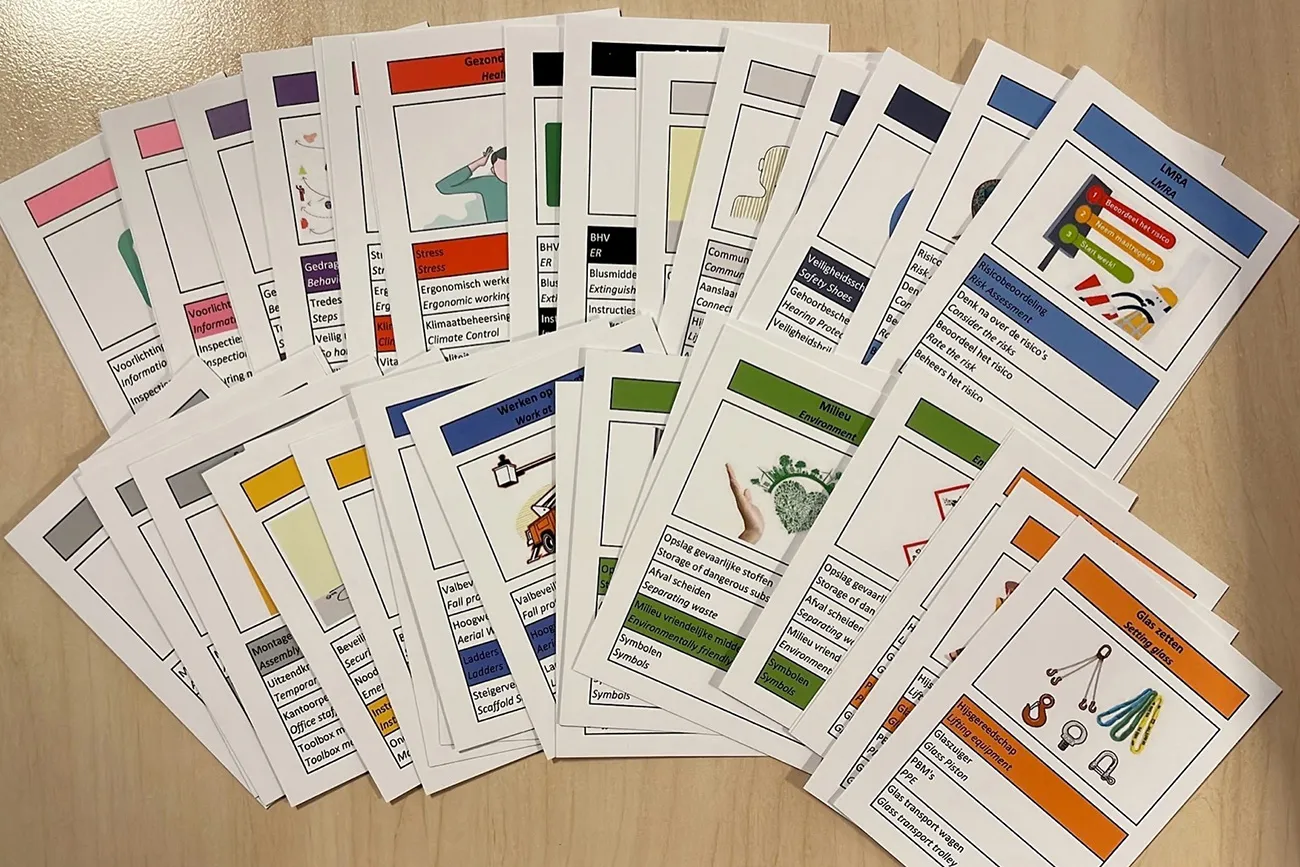
Which option did Van Iersel choose, and why?
We chose SCL. We considered the growth in the types of work we carry out, including contract value, as well as our risk profile. We also discussed with clients how they assess us.
There are several levels. How does that work exactly?
As the name suggests, the Safety Culture Ladder consists of five levels, known as steps, ascending from 1 to 5. Step 1 is not certifiable. An organisation is assumed to operate at least at this level at all times.
Each cultural level, or step, represents the development stage a company has reached in terms of safety awareness. For each step, the requirements a company must meet are defined, along with the relevant criteria, how those criteria are assessed, and what auditors look for. Simply put, the higher the step, the more fully safety awareness is embedded within the organisation.
Which level has Van Iersel achieved, and why?
We are currently certified at step 2. Our clients require at least step 2. We felt this was a good starting point for beginning this process at Van Iersel. The ladder focuses on changing behaviour. We believe this takes small steps and a lot of repetition. It takes time, so we have also chosen to move up the ladder in small steps. In future, we want to progress to step 3.
Where should a company start?
An organisation decides for itself which step it wants to be audited at. SKG-IKOB advises always starting at step 2 or 3. Once you know which step and type of audit you want as a company, you can request a quote from SKG-IKOB. The first part of the audit is for the organisation to carry out a self-assessment. This self-assessment is used as the starting point for the audits.
Is there an average length of time it takes companies to reach a particular level on the Safety Culture Ladder?
There is no standard process. It depends entirely on the culture within a company and its existing attitude towards safety. So there is no average timeframe, as it varies from company to company.
What are the main things a company needs to put in place?
Safe working must be embedded in the organisation’s culture. Support is needed across the entire organisation, and all colleagues need to be brought on board with safe thinking. The Safety Culture Ladder is about changing behaviour, and that cannot be achieved in a few weeks.
How do you get employees enthusiastic?
A lot depends on how you present it, and the same applies to directors and management. Keep your target audience in mind too. People who do not like reading need information presented in a different way. A great deal of communication is needed to get the message across to the whole organisation, using several different methods.
Certification is very busy at the moment. What about companies that want to get certified quickly?
Because demand for the Safety Culture Ladder is so high, it has been decided to temporarily postpone the 1 January 2022 deadline for certification. Companies can now demonstrate that they provisionally meet the requirements with a signed contract from a certification body and an audit date, which must fall in the first quarter. They must already have completed the self-assessment.
Een zakelijke vraag aan SKG‑IKOB Certificatie B.V.? Get in touch
Companies in this story
Keep following this
Get an email when a new story is published. No account needed.
- SubjectVMRG
- CompanySKG‑IKOB Certificatie B.V.







