








Working together towards a circular façade economy
Businesses are facing ever-increasing demands. One is the need to handle raw materials responsibly and preserve them. This is often mentioned in the same breath as reducing energy use and emissions. In more appealing terms: circularity, a low environmental impact and the path to zero carbon.
Many want to do their bit for a liveable world. Achieving this on a larger scale requires collaboration. That is why the Circular Façade Economy is keen to work with businesses in the façade sector, starting now.
Façades become façades again
The ambition of the Circular Façade Economy is: “To develop, use and reuse the façades of buildings without unnecessarily depleting natural resources, polluting the environment or damaging ecosystems. Construction should be carried out in an economically and ecologically responsible way that contributes to the wellbeing of people and animals.”
More specifically, the aim is that by 2030:
• what was once a façade becomes a façade again wherever possible;
• a high proportion of materials released from the existing façade stock are reused, in any form;
• a high proportion of reused or renewable materials are incorporated into the next generation of façades;
• energy use and emissions are reduced or otherwise made more sustainable.
The Stichting Circulaire Geveleconomie i.o. was established by five trade associations in the façade sector: the Vereniging Metalen Ramen en Gevelbranche (VMRG), Vereniging Kunststof Gevelelementenindustrie (VKG), Nederlandse Branchevereniging voor de Timmerindustrie (NBVT), Bouwend Nederland Vakgroep Glas and Algemene Branchevereniging Hang- en Sluitwerk (VHS). In 2023, the programme Future-proof Living Environment allocated investment from the National Growth Fund to the Circular Façade Economy, making funding available to pursue this ambition.
Circular business opportunities
The Netherlands and Europe have set unavoidable targets for 2030 and 2050. These include reducing CO2 emissions and the use of primary materials, as well as restrictions on emissions and environmental impact, sometimes at local level. The Environmental Cost Indicator (MKI) is also important for businesses, and is based on life cycle assessments. MKI scores are used in the Environmental Performance of Buildings calculation (MPG), with the target value set to decrease in stages over the coming years.
We will not get there by calculating performance more cleverly. Demonstrably doing better is the only way to provide a good response. Working together also means sharing the costs of work that is better tackled collectively. This means anticipating what is coming and having solutions ready in time for implementation. Everything recovered from existing buildings will be needed to keep delivering enough housing and non-residential buildings, particularly as the population continues to grow.
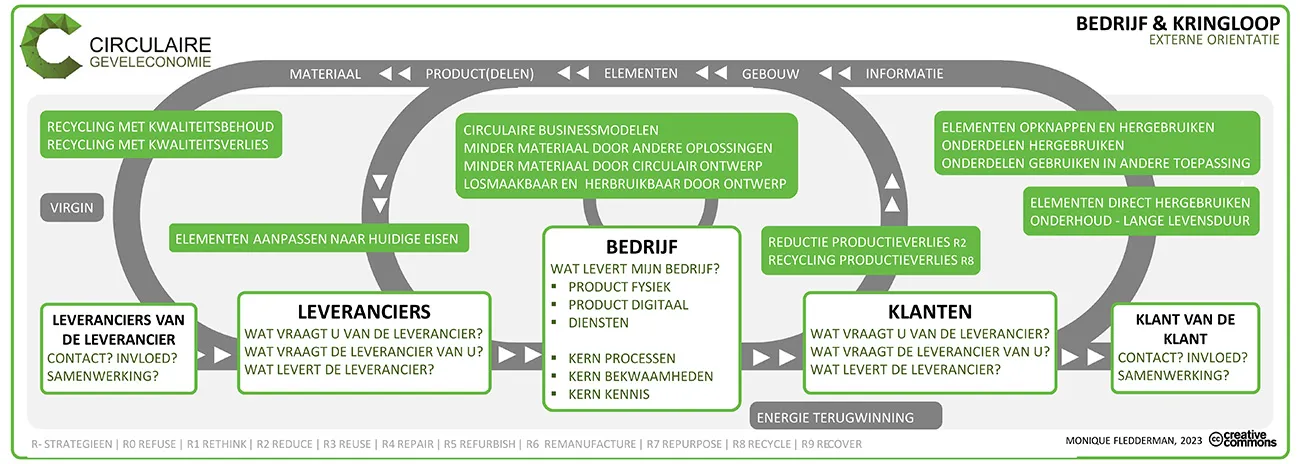
Depending on the choices made and the partners they work with, businesses can unlock attractive individual opportunities. These will vary from one business to another. Each can respond to different circular requirements and business opportunities from clients. Diversity and differentiation create business. Figure 1 shows, at a high level, the relationship between a business and potential circular opportunities (strategies).
Circular Façade Economy Agreement
The façade sector, the Ministry of Infrastructure and Water Management and the Ministry of the Interior and Kingdom Relations have begun discussions on targets, agreements and activities for 2030. In 2020, the study ‘Exploring producer responsibility in the façade sector’, commissioned by the government and promised to the House of Representatives, was completed. It identified enormous potential for circular construction and CO2 reduction. The agreement will be ratified in spring 2024, with the participating trade associations and ministries formally signing the Circular Façade Economy Agreement at a celebratory event.
Team
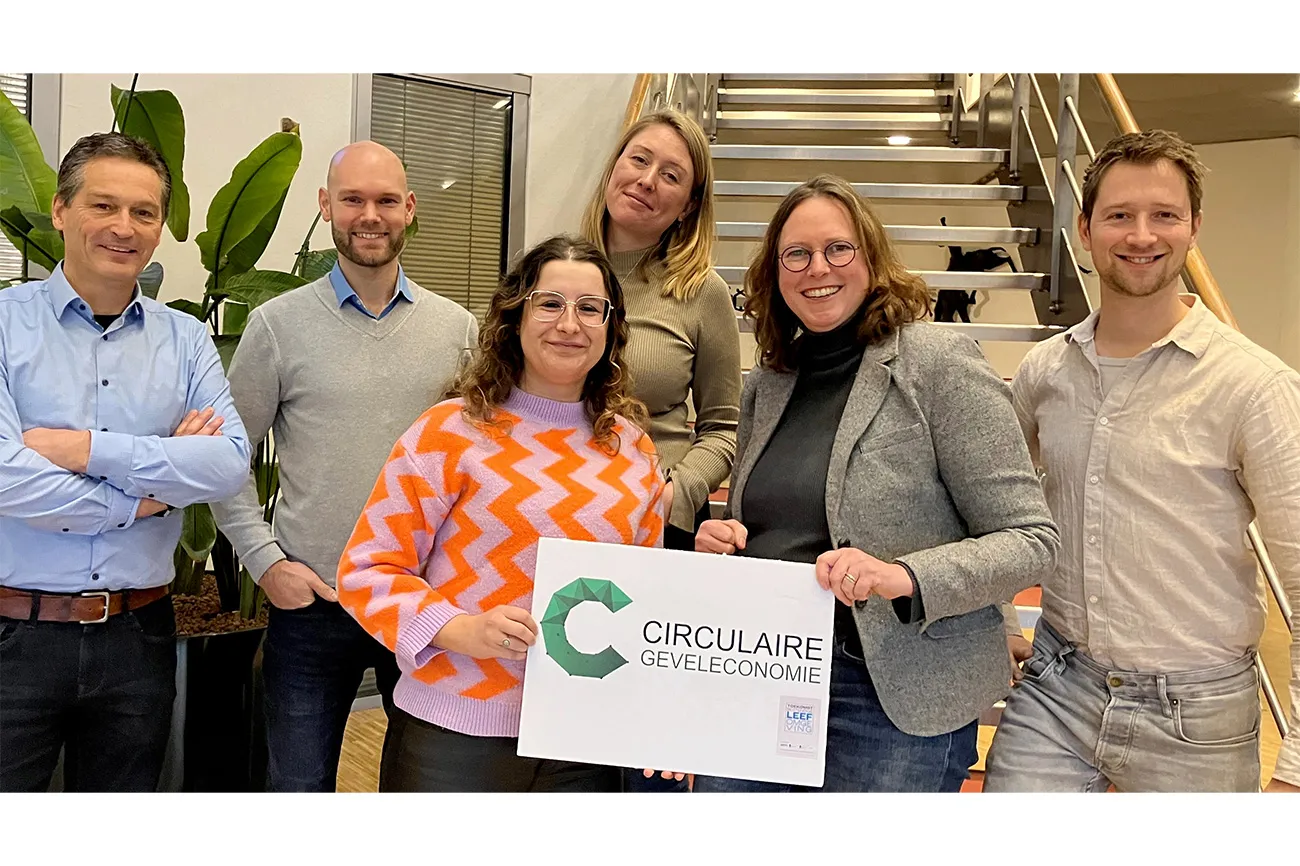
Alongside the Steering Group, the Circular Façade Economy Team has been active since November, with representatives from all five sectors.
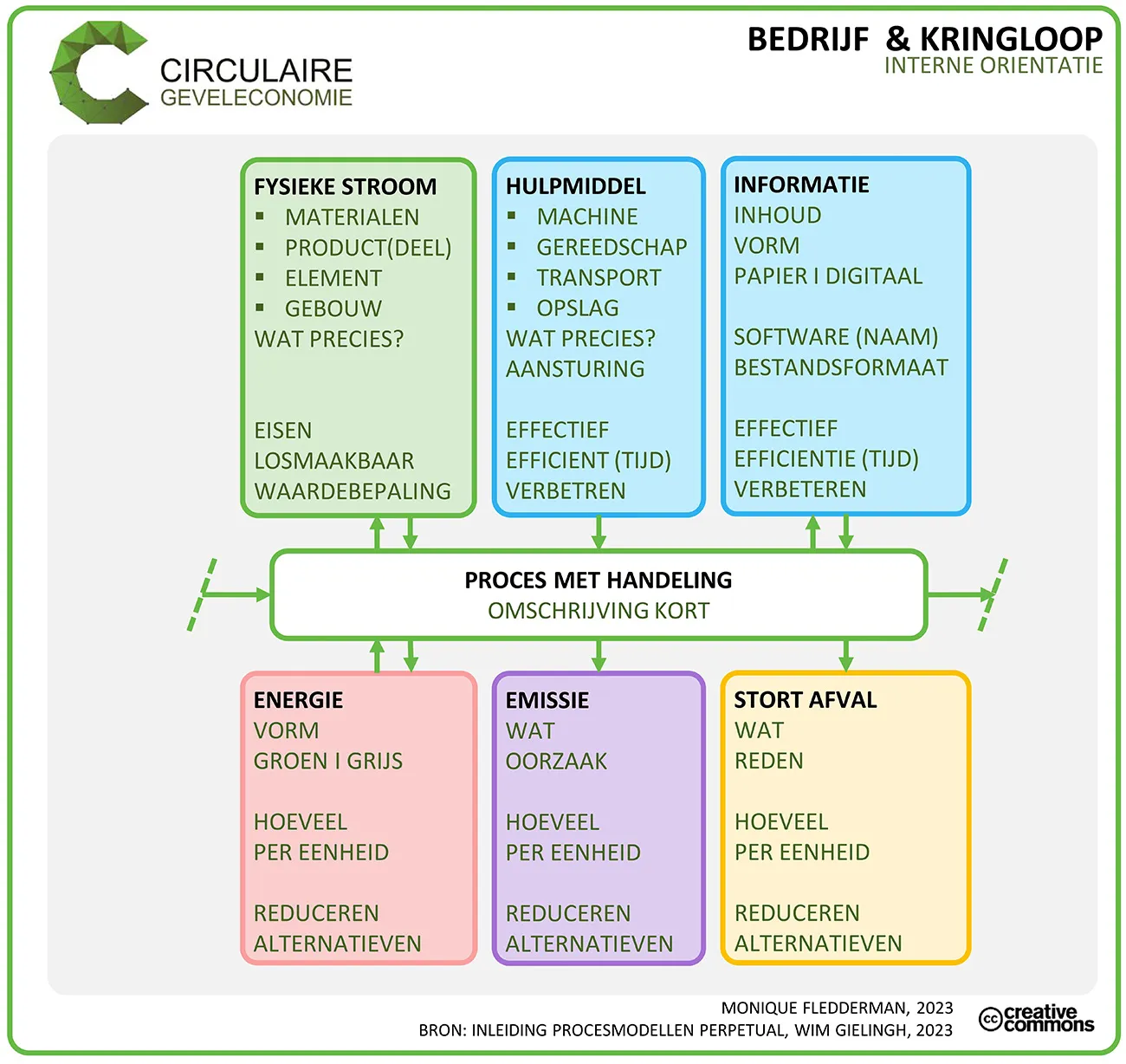
Over the next six months, the team will talk to businesses to examine all the processes, logistics, information flows and circular business models across the entire value chain. Figure 3 gives an indication of the questions involved. This will lay the foundations for proposals for improvement, innovations and choices around take-back systems, helping businesses to improve their performance.
Approach and knowledge sharing
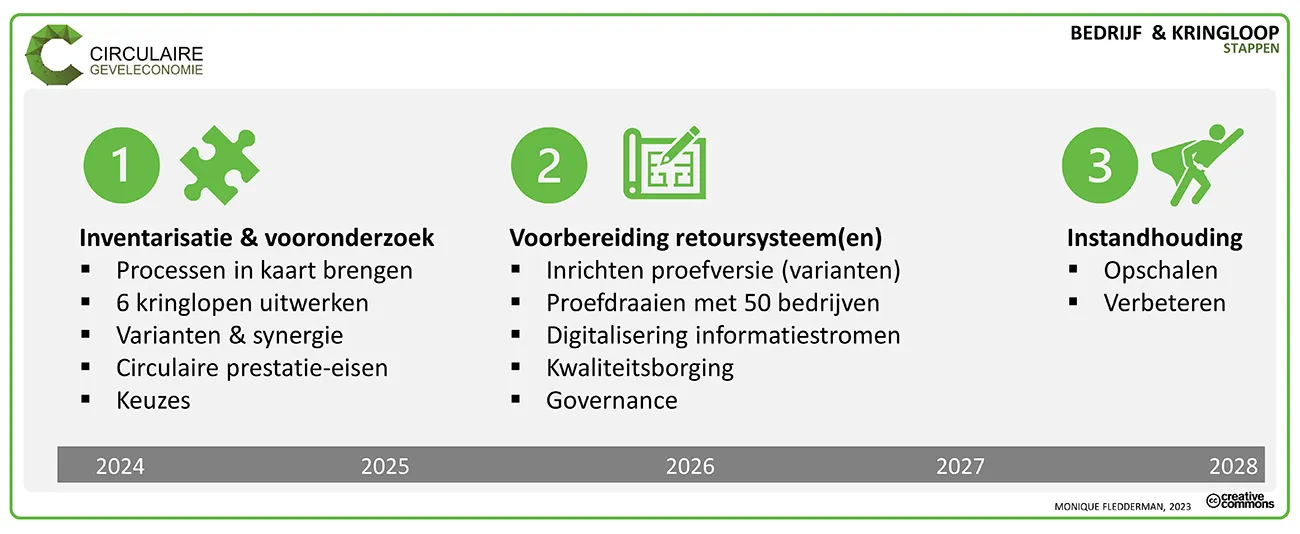
The Circular Façade Economy’s approach consists of three parts:
• Inventory and preliminary research;
• Preparing take-back system(s);
• Maintenance.
Each part involves several activities, as shown in Figure 4.
An additional knowledge programme will be launched in 2024 to share knowledge with businesses. It will use ‘micro learning’ to deliver information in short, accessible videos, blogs, knowledge cards and more. This content will be added to circulairegeveleconomie.nl during 2024 and expanded in the following years.
The Circular Façade Economy’s approach builds on research, knowledge and experience from the participating trade associations, government and knowledge partners. These include Hogeschool Utrecht, Technische Universiteit Delft, Hogeschool Saxion, Real Capital Systems, Platform-IO and other partners in the network.
The PerpetuAL feasibility study, completed in 2023 by VMRG and Real Capital Systems together with 16 partners, provides part of the basis for the approach. It developed approaches (methodologies), identified opportunities for businesses in the circular economy and explored the links between industrialisation, digitalisation and circularity.
Get involved
To conclude, Monique Fledderman, chair of the Circular Façade Economy, has this message for businesses: “The most important thing is that the Circular Façade Economy belongs to, and is for, the entire façade sector. We therefore invite businesses to take an active part through their affiliated trade association. That is the only way we can provide businesses with the best possible support and ensure that the solutions offered are a good fit for businesses in the sector.”
Question about this story? Ask your question
Keep following this
Get an email when a new story is published. No account needed.
- ThemeCircular facades with lower environmental impact
- SubjectVMRG







