Digitalisation as a driver of decarbonisation
Text Johan DebaereImage Hydro Building Systems/SAPA
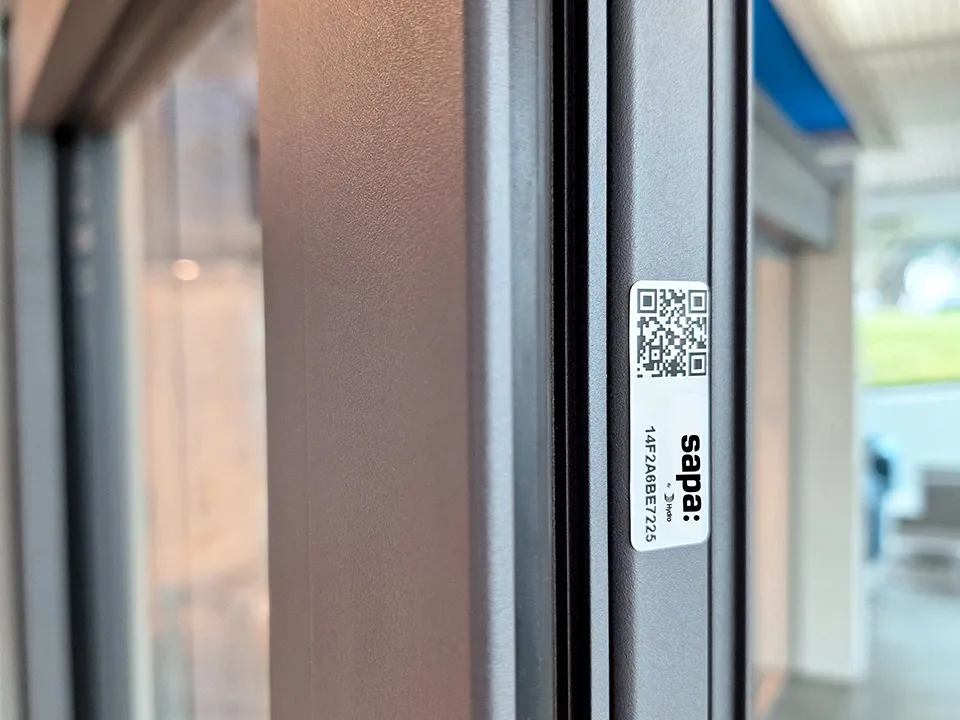
Reducing the environmental impact of aluminium joinery, and CO2 emissions in particular, is a priority for Hydro Building Systems, parent company of the SAPA brand. CIRCAL products are made largely from post-consumer scrap and have an exceptionally low CO2 footprint. Digitalisation plays an essential role in accelerating decarbonisation. The MySapa platform enables everyone involved, including designers, joiners, façade contractors and even consumers, to track a window or door throughout its entire life cycle, from design to reuse.
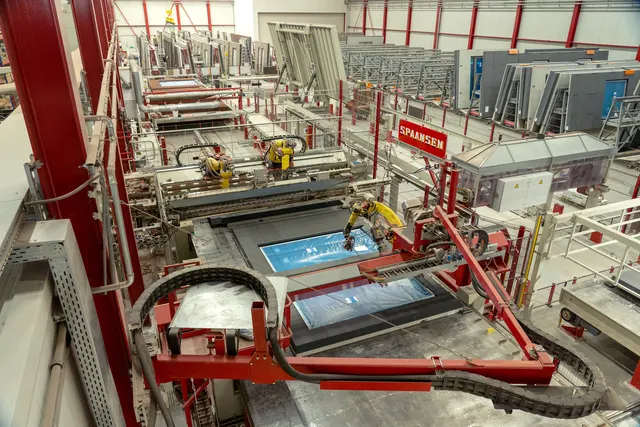
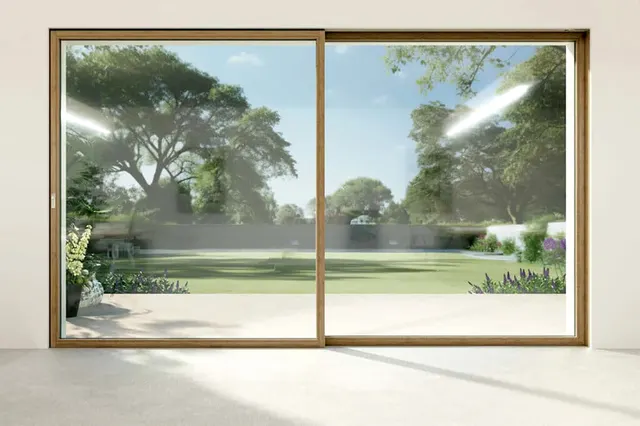
With the SOLEAL NEXT windows and TENTAL curtain walling systems, SAPA introduced aluminium systems that not only look stunning, but are also a sustainable option. These products are a perfect fit for the circular economy. They are manufactured as standard from Hydro CIRCAL 75R post-consumer material, which has an exceptionally low CO2 footprint. This is aluminium made from at least 75% post-consumer scrap, with a footprint of just 1.9 kg CO2 per kg of aluminium. For larger projects, systems made from 100% recycled aluminium are also available: Hydro CIRCAL 100R. This makes it possible to produce profiles with an average carbon footprint of 0.5 kg per kg of aluminium produced.
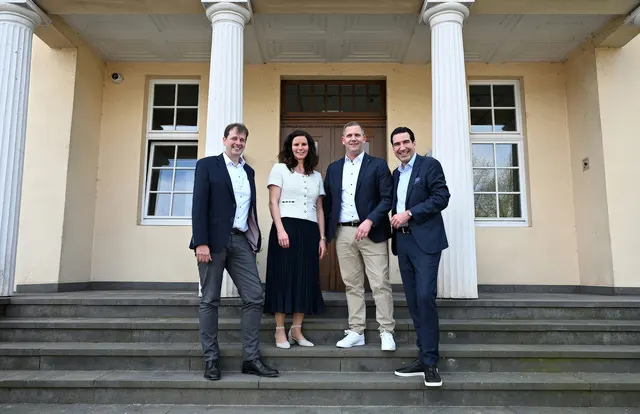
“We work hard to reduce the environmental impact of producing our aluminium systems, and in particular to keep CO2 emissions to an absolute minimum. From that perspective, digital technology is not just a tool, but above all a solution for accelerating decarbonisation,” says Johan De Clerck, Deputy Managing Director at Hydro Building Systems Benelux. “That is why we developed a digital platform that is very intuitive to use and freely accessible with a personalised account: MySapa.”
A suite of value-added tools
The MySapa platform includes a range of tools for people involved in a project. This gives them access to all the key information and services they need. TechTIP, for example, is a technical knowledge platform. It brings together documents that architects and engineering firms can use when designing a building, including drawings, details, sections, certificates, approvals and upgrades, ….
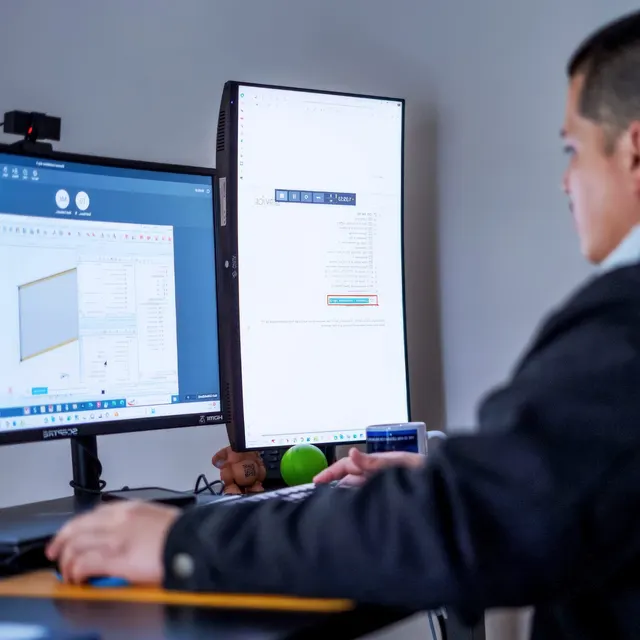
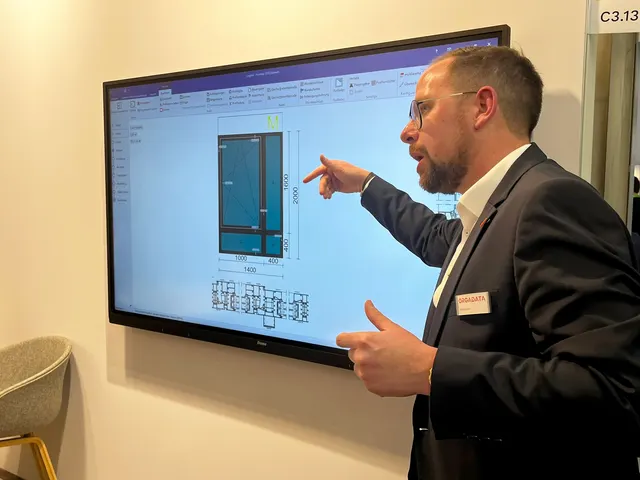
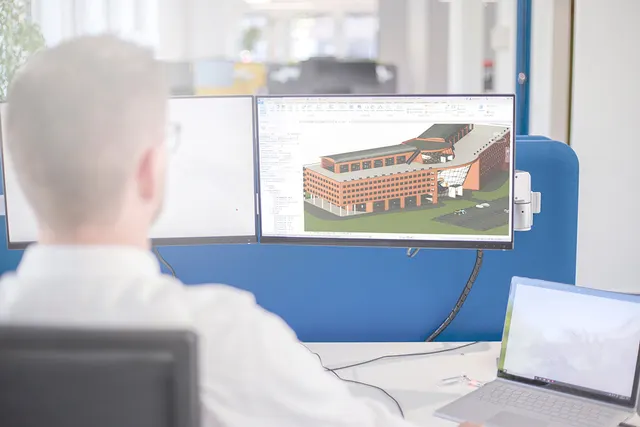
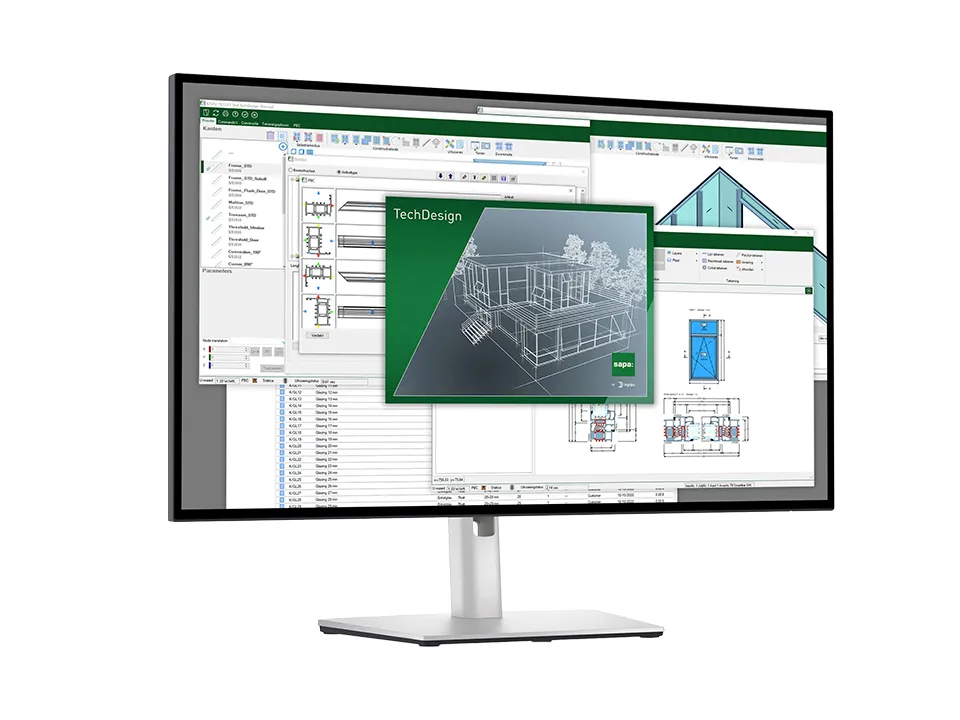
With the SAPA3D 3D software package, designers can create a bespoke model of their project using the right profiles and glazing, in IFC format, REVIT or ARCHICAD. It caters for the simplest projects as well as the most complex challenges. SAPA’s TechDesign software also helps with calculations and 3D visualisation. It can calculate the U-values across the entire range and generate EPD reports to document environmental impact. The EPD is generated automatically and is also tailored to the element.
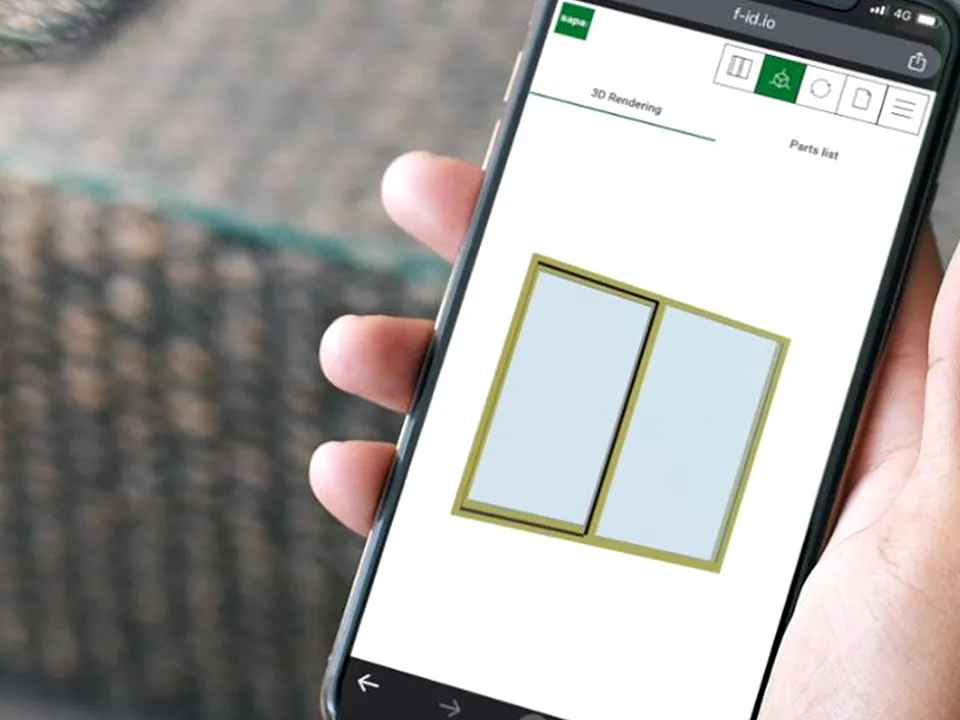
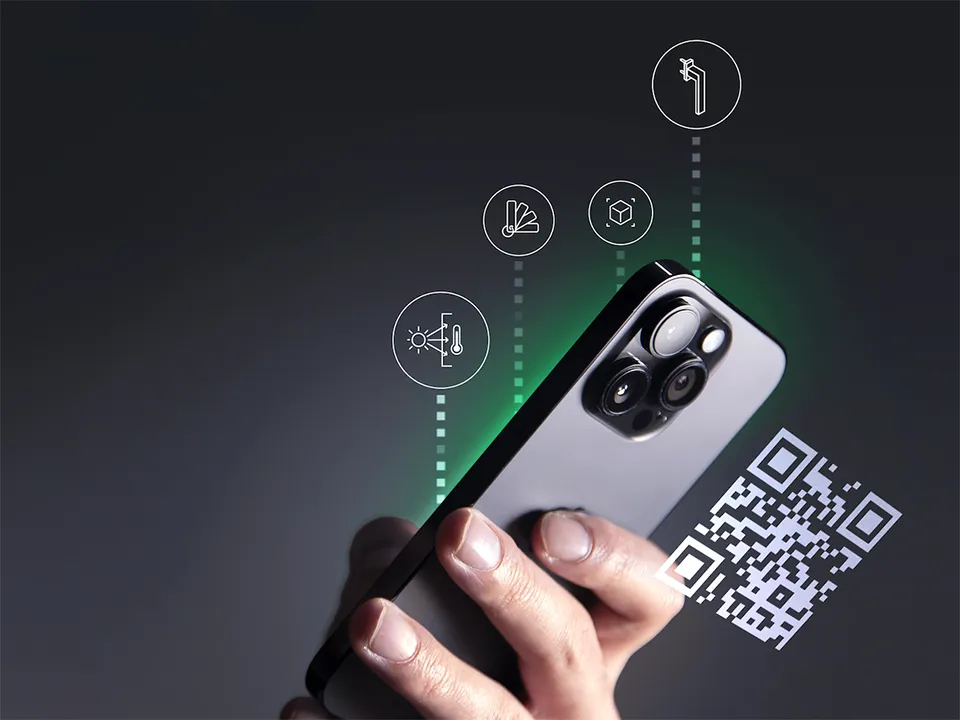
“The latest tool is called Genius ID. It enables designers, joiners, façade contractors and even consumers to track building elements such as windows, doors and façades throughout their entire life cycle, from the design stage until they are reused,” says Johan. “The more accurate and complete the data we can assign to a product throughout its life, the greater its potential for reuse or recycling. Thanks to digital technology, a QR code assigned to the joinery allows a wealth of information about the product to be uploaded and easily retrieved.”
The MySapa tools offer significant added value. Bespoke BIM objects created with SAPA3D can be exported to the architect’s mock-up, incorporating the latest frame dimensions and finishes, such as profile and glass thickness, colour and joints, …. This produces a render that is as realistic as possible. An EPD report can also be generated for the joinery, precisely reflecting the choices made for components, thicknesses and so on. Personalised, dynamic EPDs offer benefits in terms of performance and, above all, transparency for studies on CO2 and environmental impact.
“Once the frame has been manufactured, a QR code can be created to provide a direct link to all the accurate, detailed data on a frame, window or door: technical data sheets, part numbers, quantities and end-of-life values for the aluminium, glazing, …,” concludes Johan De Clerck. “This link can also be used to track an element’s production journey. Is it on order, in production, in transit or at the installation stage, …. It also shows what maintenance and modifications have been carried out. In short, the MySapa platform lets you track the joinery throughout its entire life cycle, from design to reuse.”
Question about this story? Ask your question
Keep following this
Get an email when a new story is published. No account needed.
- ThemeCircular facades with lower environmental impact
- SubjectSoftware & automation