Forterro connects sales, engineering and production in the window and door industry
Text and images Forterro
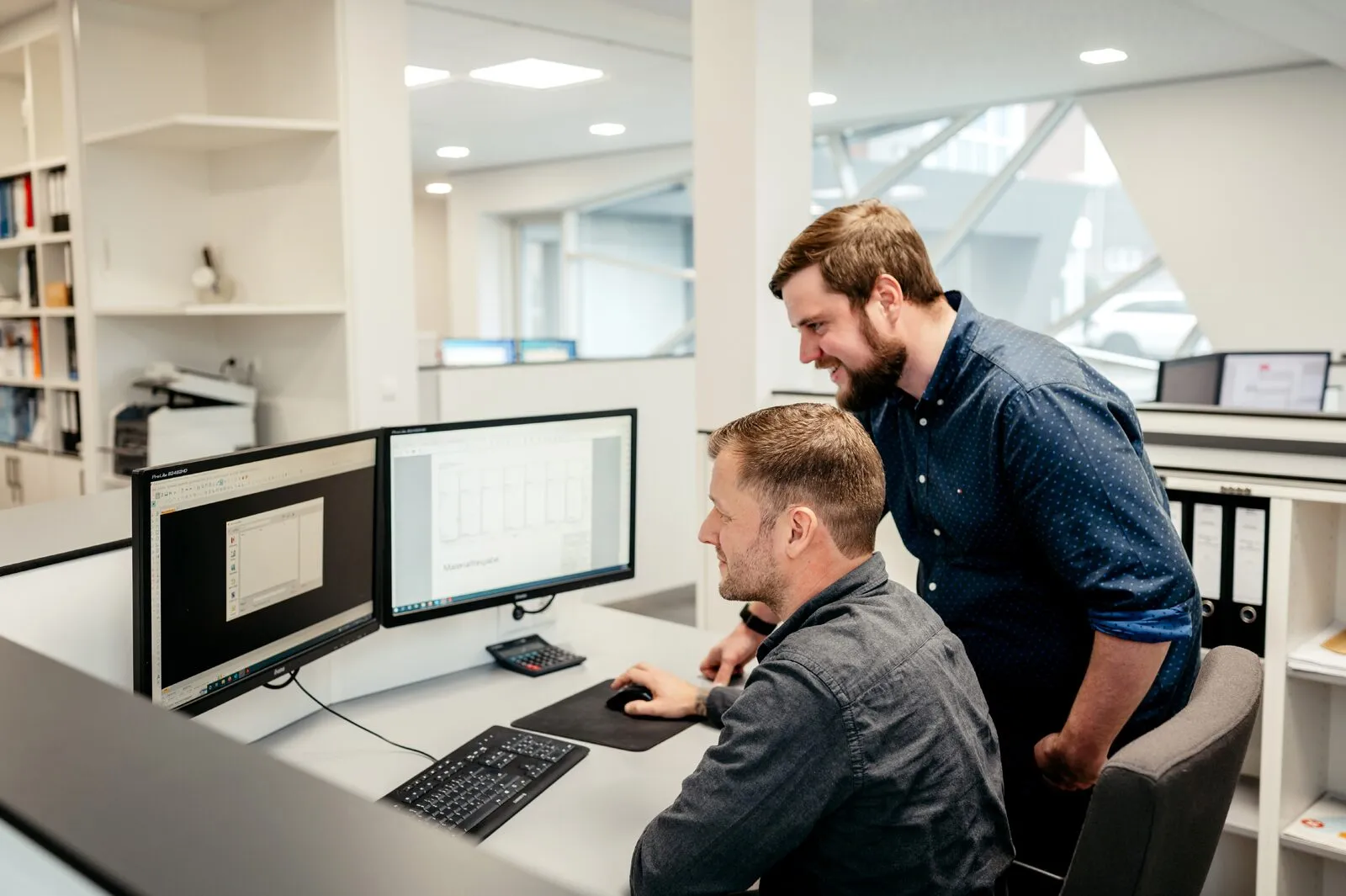
Digitalisation in the window and door industry is increasingly less about individual software programs. The next step is to connect sales, estimating, engineering, production and business operations into one continuous digital flow of information. By integrating companies such as Orgadata, Klaes and 3E, Forterro has brought a wide range of specialist knowledge and expertise under one roof. The software specialist aims to help manufacturers organise their entire business processes more smartly and efficiently.
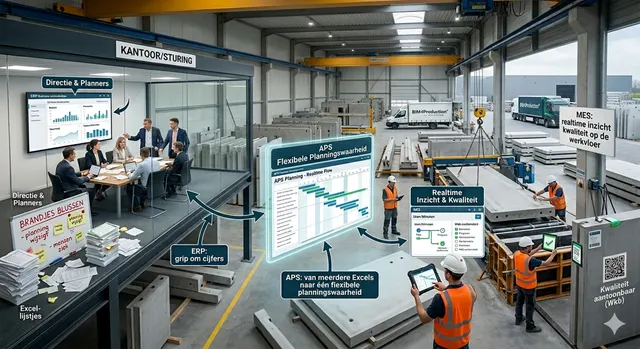
The challenges facing the window and door industry are clear. Products are becoming technically more complex, customers expect more customisation, and at the same time manufacturers have to raise their productivity. On top of that comes the shortage of skilled staff. Errors and duplicate data entry during the production process also lead to unnecessary costs and lost time.
This is precisely where Forterro sees an important role for digitalisation. The point is not to add ever more individual software solutions, but to connect processes and data intelligently.
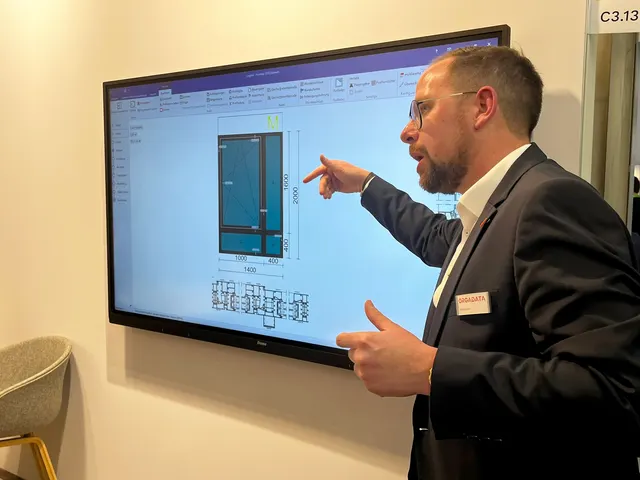
Through the acquisition of several specialist software companies, Forterro has now pooled extensive expertise in aluminium, PVC-U and timber. Logikal, originally part of Orgadata, holds a strong market position in the aluminium sector, while Klaes contributes extensive technical knowledge and software solutions, particularly for the PVC-U and timber processing industries.
From sales conversation to production
What such an integrated approach can look like in practice became clear earlier this year with the introduction of Quotila, a new cloud-based CPQ (Configure, Price, Quote) solution. It links the sales process directly to the digital process chain.
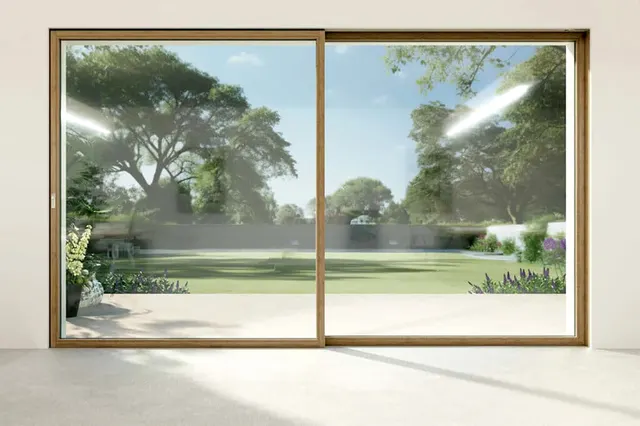
During a customer meeting, windows and doors can be configured entirely to the customer's wishes and presented using photorealistic 2D and 3D visualisations. With the Home Visualizer, a photo of an existing building can even be used to visualise new window and door elements to scale and from the correct perspective. Prices are calculated instantly, with individual customer discounts applied automatically.
The main benefit, however, lies behind the scenes. The elements already configured during the sales conversation form the direct basis for further order processing. This removes the need to re-enter data manually. The information can be passed straight on to the next process steps, right through to actual production.
Enter data once and then use it throughout the entire business process: that is precisely the direction in which Forterro is developing its software portfolio.
Closer to production
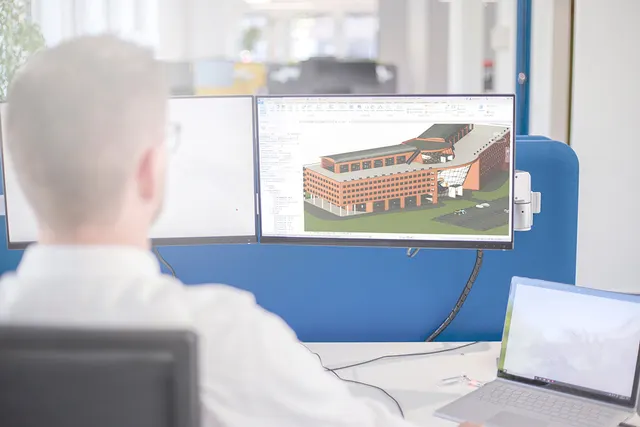
Further steps are also being taken in engineering and production. Logikal 14, for instance, has an integrated calculation tool that can determine the CO2 footprint of building elements as early as the design phase. In addition, the preparation of fire safety documentation can be automated further.
Unilink then provides the link to CNC machines from various manufacturers. In this way, the transition from digital design to actual production is becoming increasingly automated.
Klaes, in turn, covers another important part of the process chain. The company develops modular solutions that support manufacturers and traders from the quotation stage through to invoicing. The portfolio includes ERP solutions, production control systems and specialised 3D solutions for façade construction.
With 3E LOOK, Forterro extends the digital process chain with an integrated ERP solution for the window and door industry. The platform connects quotations, orders, estimating, materials management, production, logistics and installation within one shared digital environment. Paperless processes, real-time information and close coordination between all process steps help companies organise their work more transparently and efficiently.
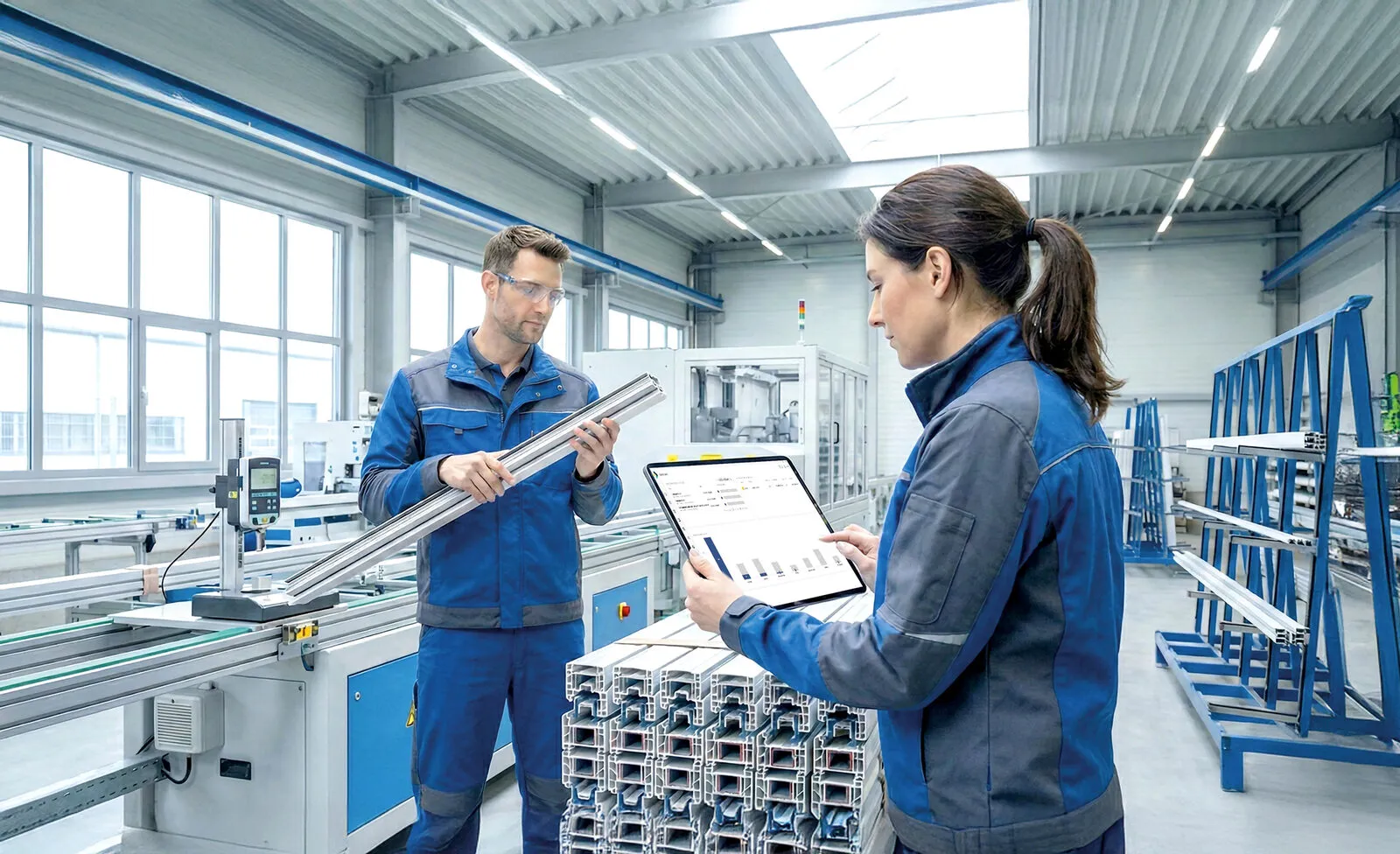
Digitalisation across material boundaries
Notably, the traditional dividing lines between the different frame materials are becoming less and less important. Manufacturers of aluminium, PVC-U and timber windows and doors may work with different products and production methods, but they often face similar challenges.
Forterro therefore deliberately positions its Windows & Doors business division as cross-material. By combining expertise in aluminium, PVC-U and timber, the company aims to support an ever larger part of the value chain: from configuration and estimating to production and installation.
The existing brand names will be retained. Klaes, for example, will remain active on the market as an independent brand. The real added value is expected to come mainly from knowledge sharing, joint use of infrastructure and the pooling of technological expertise within the group.
Cloud and AI as the next development steps
Cloud technology and artificial intelligence (AI) are also playing an increasingly important role in this strategy. Forterro has announced further investment in cloud platforms and AI-supported innovations.
For window and door manufacturers, however, the technology itself is ultimately not the focus, but rather the concrete benefits it delivers: preparing quotations faster, reducing manual data entry, preventing errors and organising production processes more efficiently.
This fundamentally changes the role of software. Where separate programs were once used for estimating, engineering or machine control, an integrated digital infrastructure that supports the entire business is increasingly emerging.
Enter once, use everywhere. With the extensive knowledge and expertise that Forterro has now brought together under one roof, a fully integrated digital process chain for the window and door industry is moving ever closer.
A business enquiry for Forterro? Get in touch
Companies in this story
Keep following this
Get an email when a new story is published. No account needed.
- SubjectSoftware & automation
- CompanyForterro