








How the uPVC window industry is moving towards a circular construction economy
Text and images VKG
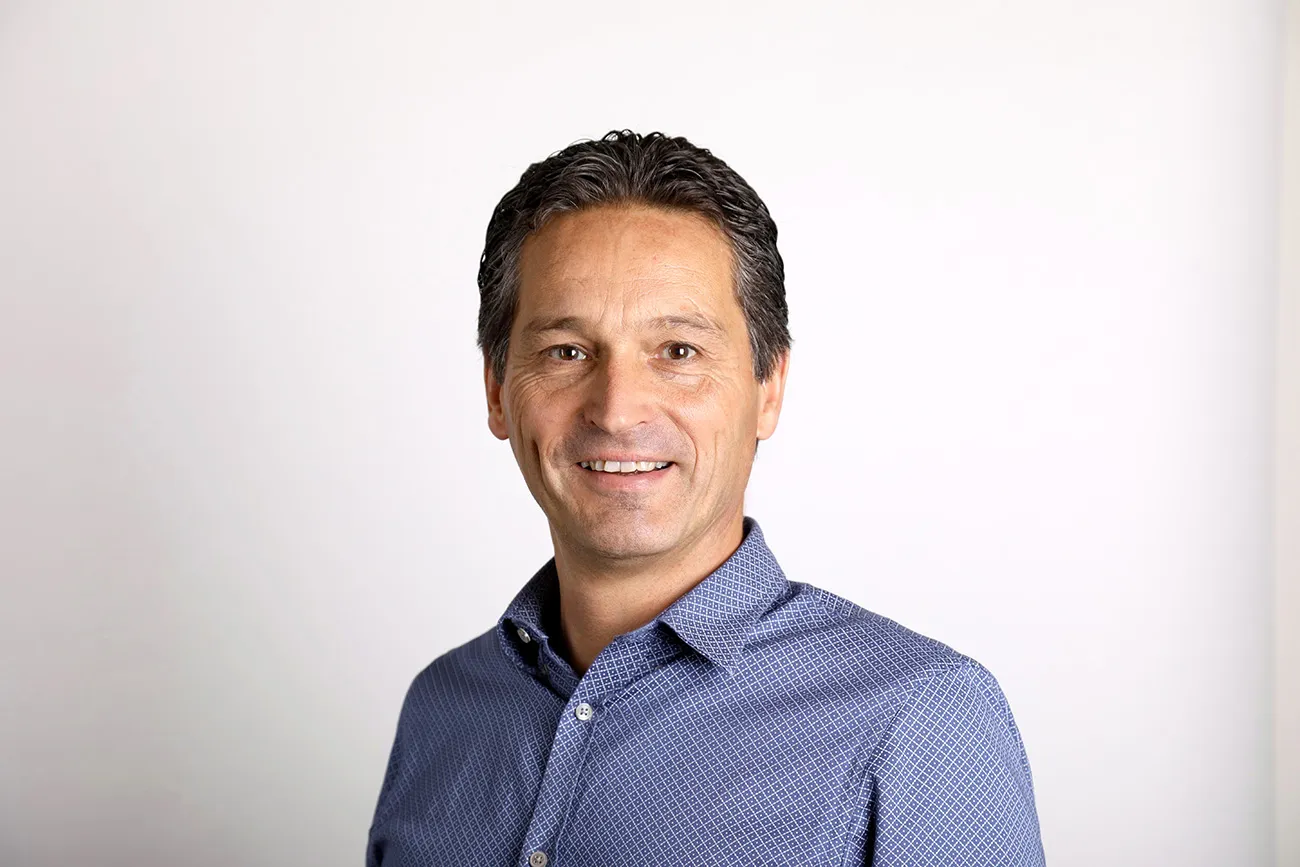
“Progress means taking responsibility. Not waiting for legislation, not pointing fingers, but inspiring others in the industry and taking the lead,” says Edwin van Houten, industry manager at the Vereniging Kunststof Gevelelementen (VKG). Gaining insight and taking responsibility are major themes in the uPVC window industry. As part of the construction supply chain, the industry continually evaluates itself, as do many other links in the chain. The key questions are: how durable are the products being supplied, and what about their service life and adaptability?
Edwin: “Support for circular construction is strong and growing by the day. More and more companies in the industry recognise the economic and social benefits of change, as well as the need for it. Several members can rightly be called pioneers. LCA is becoming increasingly standard practice, a starting point for improvement.”
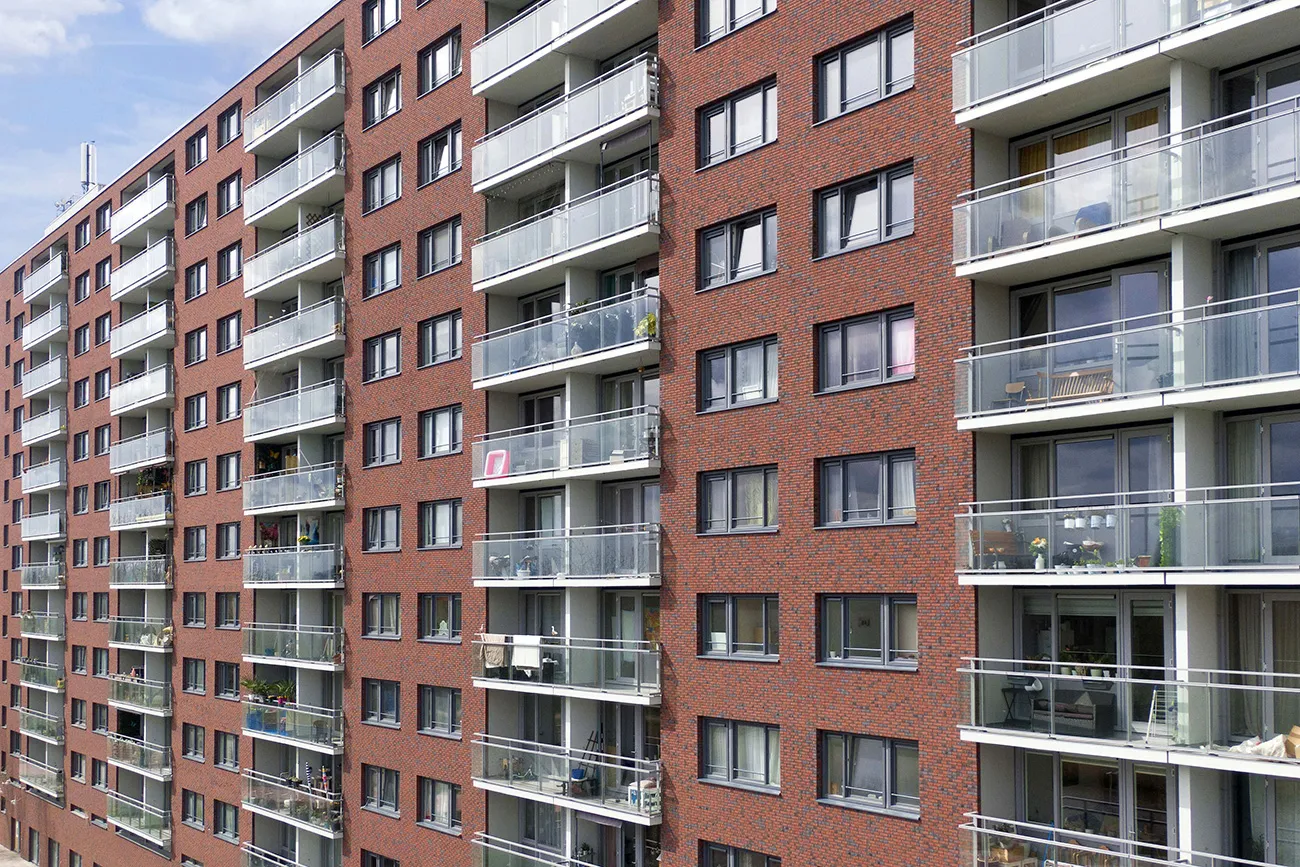
Environmental Cost Indicator
The Environmental Cost Indicator (MKI) enables consultants and architects to make fair comparisons when carrying out building calculations. In the environmental database, products are assessed per square metre, with the result expressed in euros. The lower the figure, the better. This makes the impact clear and easy to calculate across a project.
“uPVC is proving itself to be a sustainable option, particularly thanks to its recycling potential,” says Edwin. “It still meets all quality requirements after being recycled seven times. It is sustainable, perhaps less so in terms of raw material extraction, but certainly in terms of service life, maintenance and recycling. To get a product listed in the Nationale Milieudatabase, you have to map out its entire life cycle, starting with the extraction of raw materials and ending with installation. The industry works closely with the entire supply chain to do this. Alongside the generic VKG window frame, the first specific window frames have also been added to the Nationale Milieudatabase. It is good to take a moment to recognise this, then move on. The market is now developing bio-based uPVC further, and the first window frames made from this material are already installed in homes.”
Where will your material be in a few decades?
Edwin says it is essential to link the present with the future. “Raw materials are becoming scarcer, so we are working to ensure that materials retain as much of their value as possible. We are moving from demolition to deconstruction. This means changing the design process: window frames need to be easy to install now so they can be easily dismantled later. This applies to both new-build and renovation projects. Developments in prefabrication are hugely interesting and relevant here. It is a completely different way of thinking about materials, form and function. We want to know now where our recycled materials will be in fifty years. Design for disassembly is a prerequisite, but the industry must also ensure that today’s window frames can withstand the more extreme weather conditions we are experiencing now and will face in the future. That means looking ahead and continuing to develop.”
The strength of collective action
“Pioneers are important,” says Edwin, continuing: “but collective action is at least as important. Everyone needs to understand why we are doing this and how. Information and data are crucial, as is sharing them across the supply chain and the industry. Ultimately, it is about creating a tipping point. The more steps we take together, the closer we get to it, especially if the entire construction industry continues to accelerate across the board. The extensive network of different stakeholders is hugely valuable in driving this progress.
The market is increasingly calling for change on sustainability. The government is contributing through the Nationaal Groeifonds. This funding supports further research and helps the façade industry with the transition to a circular façade economy by 2030. This matters because sustainable business practices are essential to ensuring economic growth in the future.
Have a business enquiry for VKG – Vereniging Kunststof Gevelelementenindustrie? Get in touch
Companies in this story
Keep following this
Get an email when a new story is published. No account needed.
- ThemeCircular facades with lower environmental impact
- SubjectGeneral
- CompanyVKG – Vereniging Kunststof Gevelelementenindustrie







