








Metal façades: from sustainable to fully circular
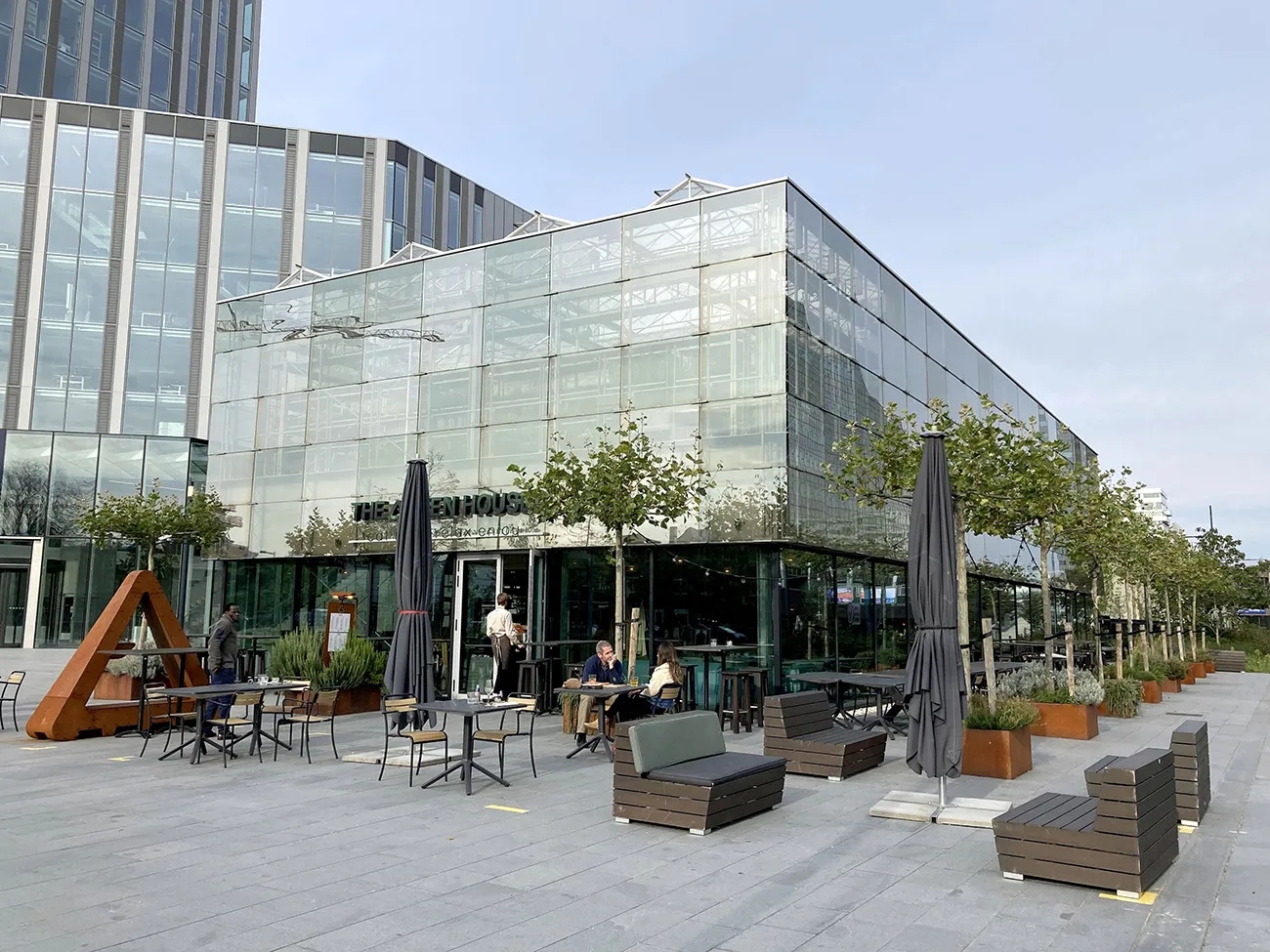
At The Green House in Utrecht, everything revolves around circularity. The façade comes from the former Knoopkazerne next door. The building was designed for complete disassembly.
Twenty years of Gevelbouw trade magazine. Throughout those twenty years, every issue of Gevelbouw has featured stunning metal façades by VMRG Keurmerk façade contractors and their suppliers.
With a technical service life of 75 to 100 years, the metal façades featured in the earliest issues of Gevelbouw are still young. Aluminium and steel façades are a sustainable choice not only because of their long service life. A range of other factors also plays a part, and over the past twenty years, more have been added.
Slim
An architect, in a 2007 issue of Gevelbouw, on the choice of aluminium façades: “Because of the properties and possibilities of this material. The client also demanded quality for these luxury apartments. Aluminium requires little maintenance, creates a clean appearance, allows you to build slim and has good insulation values. In addition, its relatively low weight makes large moving elements such as sliding doors easy to operate. Another advantage of aluminium profiles is that different colours and finishes can be used on either side of the thermal break.”
Robust
These properties are still relevant today, and many also apply to steel. Over the years, Gevelbouw has featured steel façades in a range of applications, including the renovation and restoration of historic buildings and buildings where safety and material strength are important. Steel window frames, both inside and out, and in homes as well as commercial buildings, have been a major trend in recent years, lending a robust, industrial look.
Quality
One thing that has endured over the years is the quality of metal façades. Choosing metal as a material is already a choice for quality. But it only results in a quality metal façade if the entire process, from engineering through to installation, is carried out properly.
That is why, many years ago, the VMRG developed the VMRG Quality Requirements and Recommendations together with companies in the metal façade sector. These set out the quality standards for the entire process. All façade contractors affiliated with the VMRG work in accordance with these requirements and hold the VMRG Keurmerk, which involves several inspections each year to check that they do indeed meet the VMRG Quality Requirements. Architects also specify the VMRG Keurmerk in tender documents to ensure they get a quality metal façade.
VMRG Keurmerk
The VMRG Quality Requirements have also been updated and expanded over the years, with input from VMRG member companies. The latest requirements are published on the VMRG website each year. In recent years, for example, changes and additions have been made to ensure the sector is fully prepared for the Quality Assurance Act for Building, which comes into force on 1 July 2023. Site inspections are now also covered by the VMRG Keurmerk, to ensure that installation is carried out in accordance with the VMRG Quality Requirements and Recommendations.
Environmentally friendly
One area the VMRG has focused heavily on over the years is circularity. It has invested in various studies, innovation projects and pilot projects. Thanks to their exceptionally long service life, metal products are ideal for reuse. Metal can also be recycled indefinitely, meaning that at the end of its service life, a façade can be melted down and turned into a beautiful new metal façade. Best of all, this takes only a fraction of the energy originally required to produce the metal. That makes it environmentally friendly. Around 95% of all façade metal recovered from buildings is already recycled. In new façades, 55% of the aluminium already comes from circular sources. There is currently not enough used metal available to meet demand, which remains greater than supply. This is a key challenge for the future, so that metal façades can be given a new lease of life time and again.
Circularity
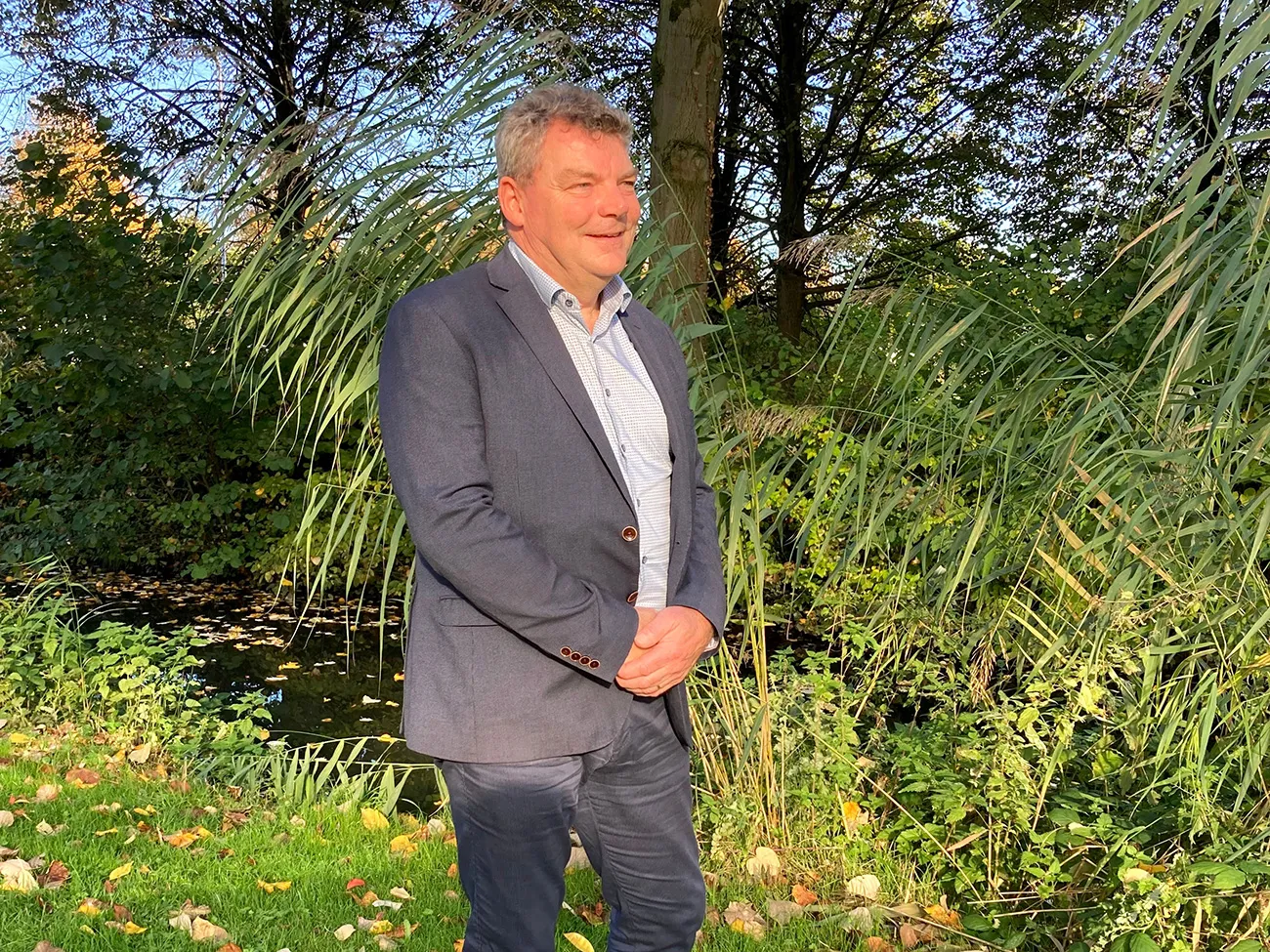
Under the leadership of its new director, Henk Zoontjens, the VMRG is working, among other things, to address this challenge. Metal façades have been central to Henk Zoontjens’s entire working life. Zoontjens says: “Many people don’t know that recycling aluminium, for example, uses only 5% of the energy required to produce new aluminium. Making steel from scrap also takes 45% less energy than making it from iron ore. The fact that metal can be recycled over and over again is still not widely known enough. These properties also make metal façades an interesting choice from an environmental perspective, particularly when you take into account their exceptionally long service life, the potential to reuse products and their low maintenance requirements. It is no coincidence that circularity has been, and remains, a key priority for the VMRG.”
Question about this story? Ask your question
Keep following this
Get an email when a new story is published. No account needed.
- ThemeCircular facades with lower environmental impact
- SubjectVMRG







