








The strength and future of anodising
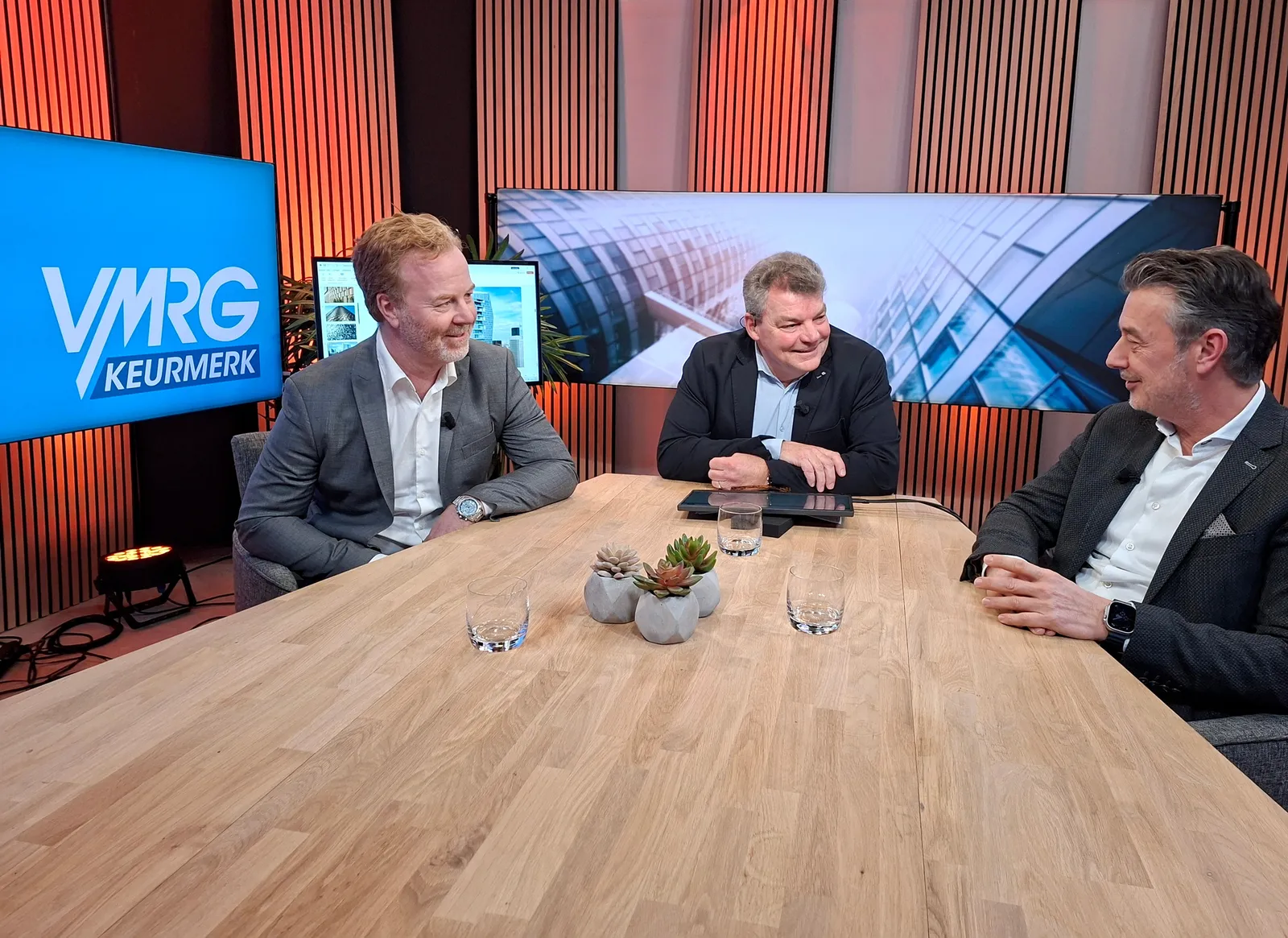
On 26 November, the VMRG held the online expert session ‘The strength and future of anodising’. Anodising transforms, protects and decorates façade aluminium. The session provided insights into the process, quality, colour and latest developments. Henk Zoontjens, director of the VMRG, discussed the subject with Remco Baartmans, CEO of Alumet, and Jacco van Dijk, managing director of Blitta Geveltechniek.
What is anodising?
Remco Baartmans: Anodising is an electrochemical process that gives aluminium an extra-strong, durable protective layer. We place the aluminium in an electrolytic bath, usually containing diluted sulphuric acid, and pass an electric current through it. This process alters the surface of the aluminium itself, creating a hard, transparent oxide layer. The layer becomes one with the metal, which is then much more resistant to the effects of weather, corrosion and UV radiation.
What springs to a façade contractor’s mind when it comes to anodising?
Jacco van Dijk: Because of the process, the finish becomes one with the metal. It has life and exudes luxury. I understand why architects like it, and it fits with current design approaches. What we do see, though, is that people are not always aware of certain properties of anodising, and do not always have an accurate idea of what the finished result will look like. There is, of course, a price tag attached as well. So our main task is to manage expectations, ensuring that clients know what they are buying at an early stage.
Why does anodising fit with current design approaches?
Remco Baartmans: One important trend in architecture is ‘Truth to Materials’. Architects want to retain the character of the metal in their designs.
What types of buildings or architecture tend to be anodised?
Jacco van Dijk: Anodising is often chosen for buildings with high aesthetic value, such as public buildings and offices, where investors value this finish. It is also used for high-end residential buildings, such as luxury apartment blocks. You see it a lot in the work of high-end architects, where the design is exclusive and chic.
How do you achieve the look the architect wants?
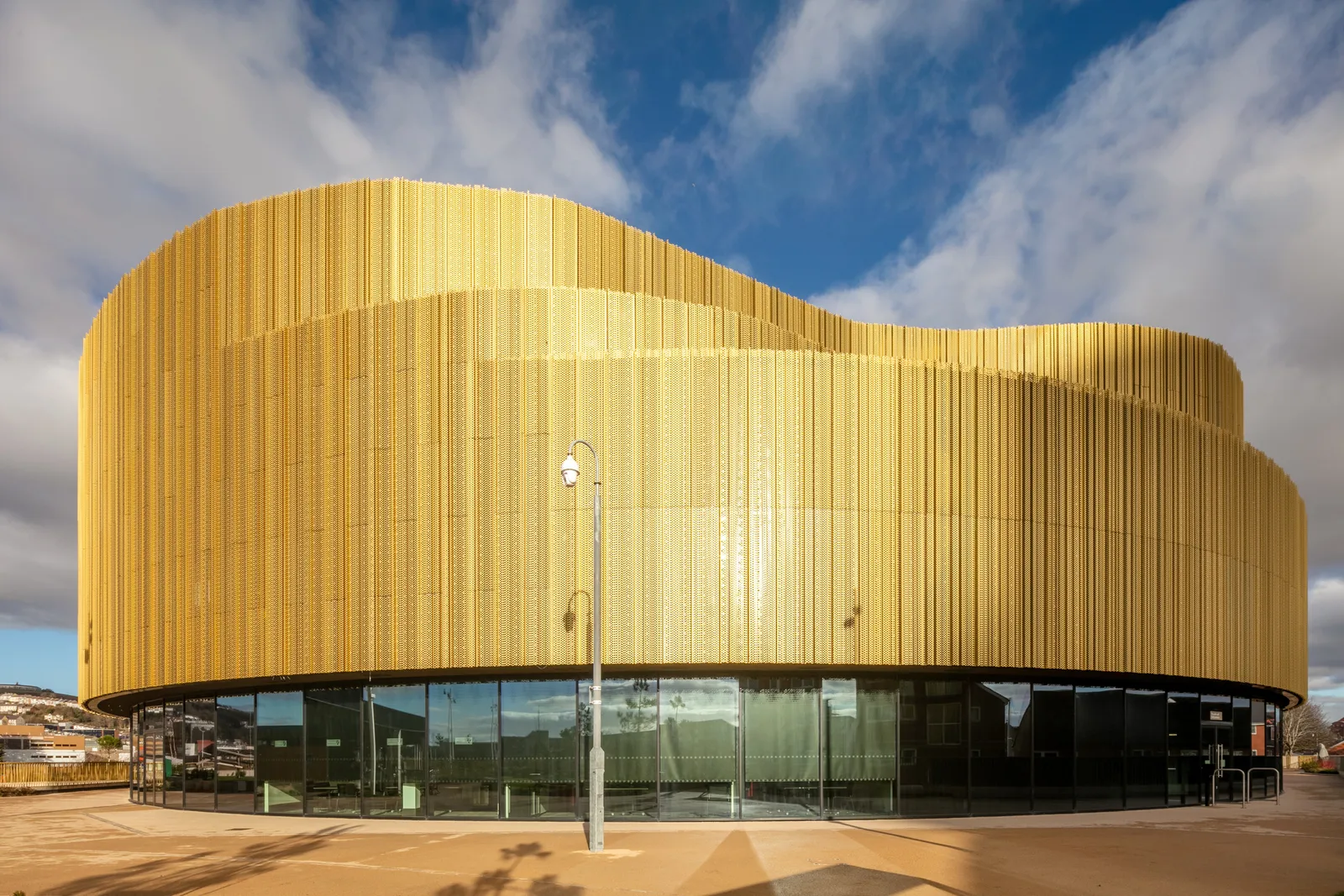
Remco Baartmans: An architect always starts with the desired colour. Many people associate anodising with classic silver, but the material can be coloured in all kinds of shades, from light champagne to deep black, and everything in between. There are two colouring methods: electrolytic colouring and colouring with inorganic metal salts.
How do you manage expectations when it comes to façade colour?
Jacco van Dijk: As a façade contractor, we work a lot with window frames. That means dealing with profiles that have die lines, which are permitted within certain tolerances. Anodising makes these lines slightly more visible, particularly in gold-like colours. A vertical mullion and a horizontal transom can also appear to differ in colour, simply because of the way the light falls on them. If there is also an aluminium panel made from a different alloy, you can end up with three or four colours visually. In such cases, we make a mock-up so the client can see exactly what the result will look like.
Can colour variations be prevented?
Remco Baartmans: Colour is affected by the alloy, surface texture and anodising parameters. Anodising works well on façades with pronounced features and plenty of depth. When I talk to an architect and get the impression that they want a single colour across the façade, I advise against anodising. It is difficult to prevent colour variations, but they can certainly be limited. In fact, these variations are optical differences in sheen or light. The right pre-treatment, such as etching, brushing or blasting, can limit them or sometimes even prevent them.
Do you use these solutions in practice?
Jacco van Dijk: It is important for façade contractors to know about these options and be able to give sound advice. But we also need to manage expectations about the price. Additional processes cost extra. In short, we need to discuss not only all the options in advance, but also what they mean for the price at an early stage. It is also a matter of supply and demand: architects often want the very best, while developers also have to consider the price.
How vulnerable is anodised aluminium?
Jacco van Dijk: During construction, you need to prevent cement water from getting onto the anodised aluminium. Once the building is complete, air pollution, acids and salts can be an issue in urban and coastal areas. Cleaning products with the wrong pH value, or bird droppings, can also damage the surface.
How can anodised aluminium be given extra protection?
Remco Baartmans: An advanced sealing technique, also known as a pre-sealing process, is being used increasingly often. It is essentially an optimisation of the sealing process itself. Instead of simply closing the pores with hot water, a protective reaction is stimulated within them. This creates a much denser and more stable seal in the anodic layer. As a result, the aluminium is much more resistant to chemical influences, whether from air pollution, acids, salts or construction site contaminants.
A business enquiry for Alumet? Get in touch
Companies in this story
Keep following this
Get an email when a new story is published. No account needed.
- ThemeExtending the life of existing facades
- SubjectVMRG
- CompanyAlumet







