








VMRG Inspiration Afternoon: ‘Building history and the future of construction’
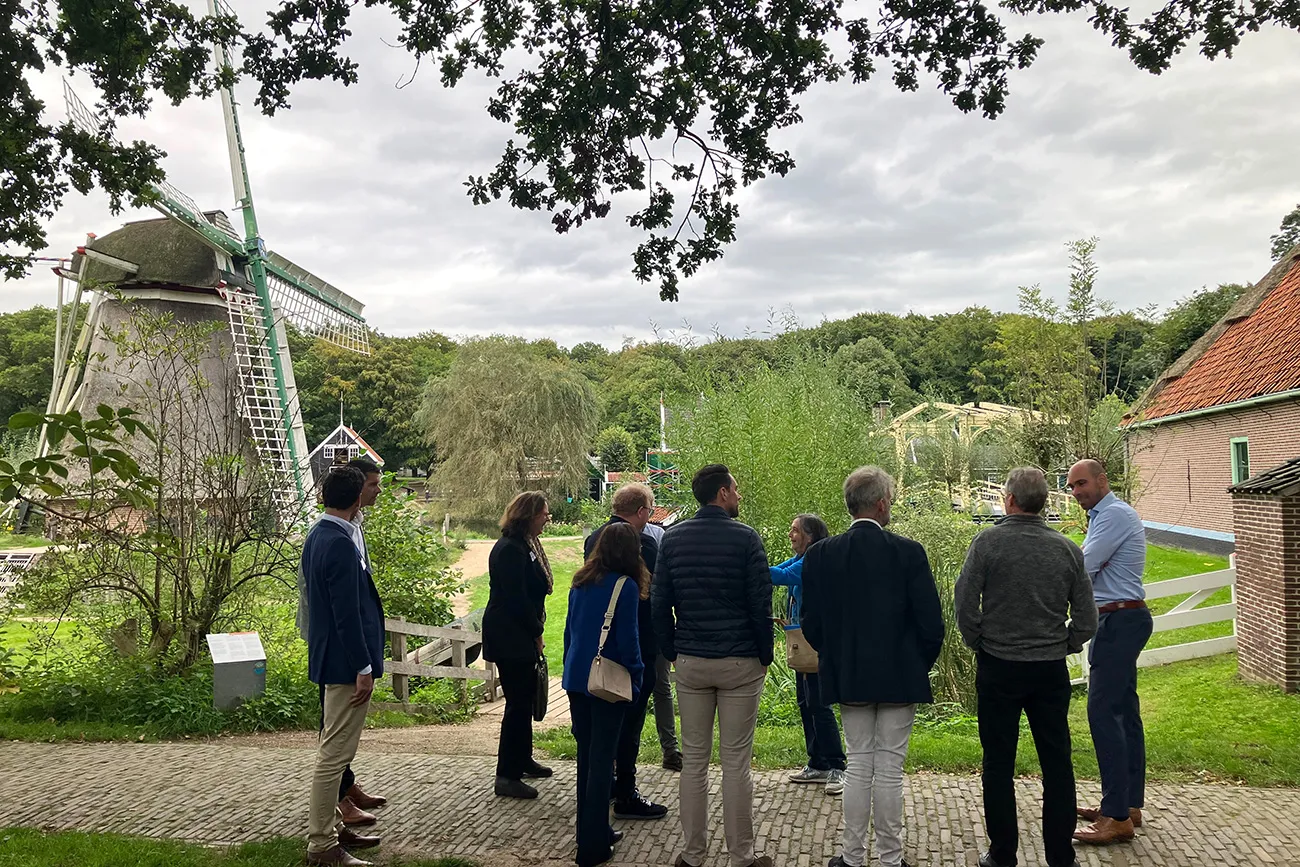
On 19 September, all companies affiliated with VMRG were invited to the Netherlands Open Air Museum to draw inspiration for the future of construction by looking back at building history. The VMRG General Members’ Meeting took place in the morning, followed by the Inspiration Afternoon. Naturally, the programme also included a tour of the museum grounds led by enthusiastic guides.
Looking back
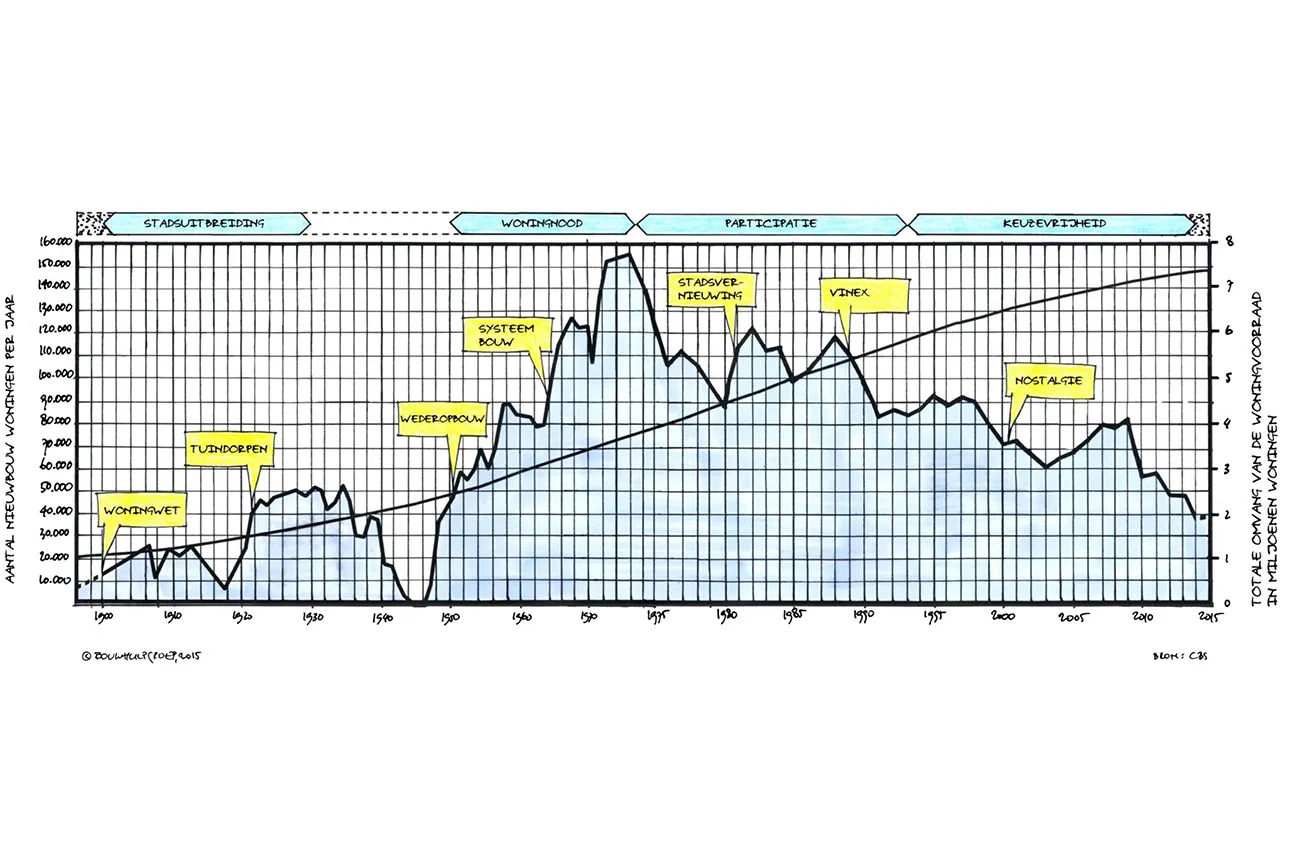
The presentation ‘The importance of looking back’ by Thijs van Tetering, architect at BouwhulpGroep, was a perfect fit with the theme of the afternoon. He showed how we can learn from the rich history of the more than 8 million existing homes.
Van Tetering takes us through the development of the Dutch housing stock in the twentieth century. A number of distinctive phases can be seen in housebuilding. Around 1920, garden villages emerged, characterised by traditional architecture and green surroundings. They were often mining colonies or factory villages, such as Philipsdorp in Eindhoven. A major peak came during the post-war reconstruction period. Homes were built on a large scale, with considerable repetition, and duplex housing and high-rise buildings began to appear. The through-lounge house, so characteristic of the Netherlands, was introduced in the 1960s. The biggest construction boom to date occurred in the 1970s. It peaked around 1975, when more than 150,000 homes were built, a huge number. By comparison, the figure in 2022 was about half that. This period also saw the emergence of ‘cauliflower’ neighbourhoods, residential areas with shared spaces and green areas at the rear. The homes are notable for their generous size and often feature a storage room at the front. Housebuilding dipped again in the 1980s. It was a time of economic crisis, so smaller and narrower, and therefore cheaper, homes were built. The 1990s were marked by the rise of VINEX homes.
The renovation challenge
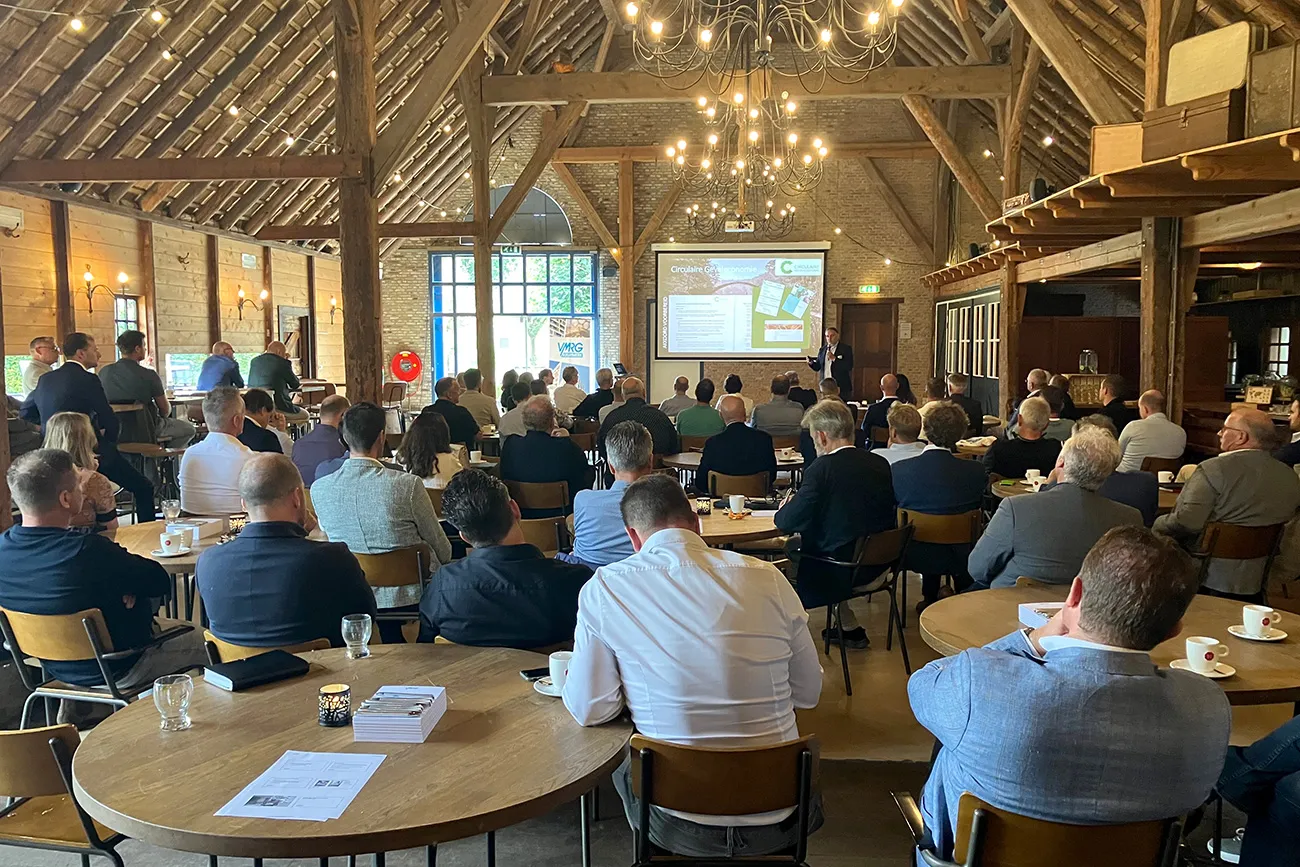
Looking back, we can see that large numbers of homes were built during certain periods in history, with a high degree of uniformity in construction methods and floor plans. This makes it worth investigating how a group of similar homes can best be renovated or transformed, for example by splitting homes into smaller units or adding extra storeys. Van Tetering outlines the renovation challenge facing us in the coming decades. It is expected that 90% of the current housing stock of around 8.5 million homes will still be standing in 2050. All these homes will need to be renovated at least once over the next 25 years, both to meet maintenance needs and to improve sustainability. That means 275,000 renovations a year, or 5,300 homes a week, over 25 years. That is more than 1,000 homes every working day until 2050!
And the question VMRG companies naturally ask is: will metal window frames be considered as part of this? Let’s look back more than a century. If we look ahead and think long term, there are many reasons to choose metal window frames for renovations of this kind.
Question about this story? Ask your question
Keep following this
Get an email when a new story is published. No account needed.
- SubjectVMRG







